
SAVAGE HEADQUARTERS
2022
“When relocating to the wilderness proved unviable, the project instead brings the wilderness into the city.”
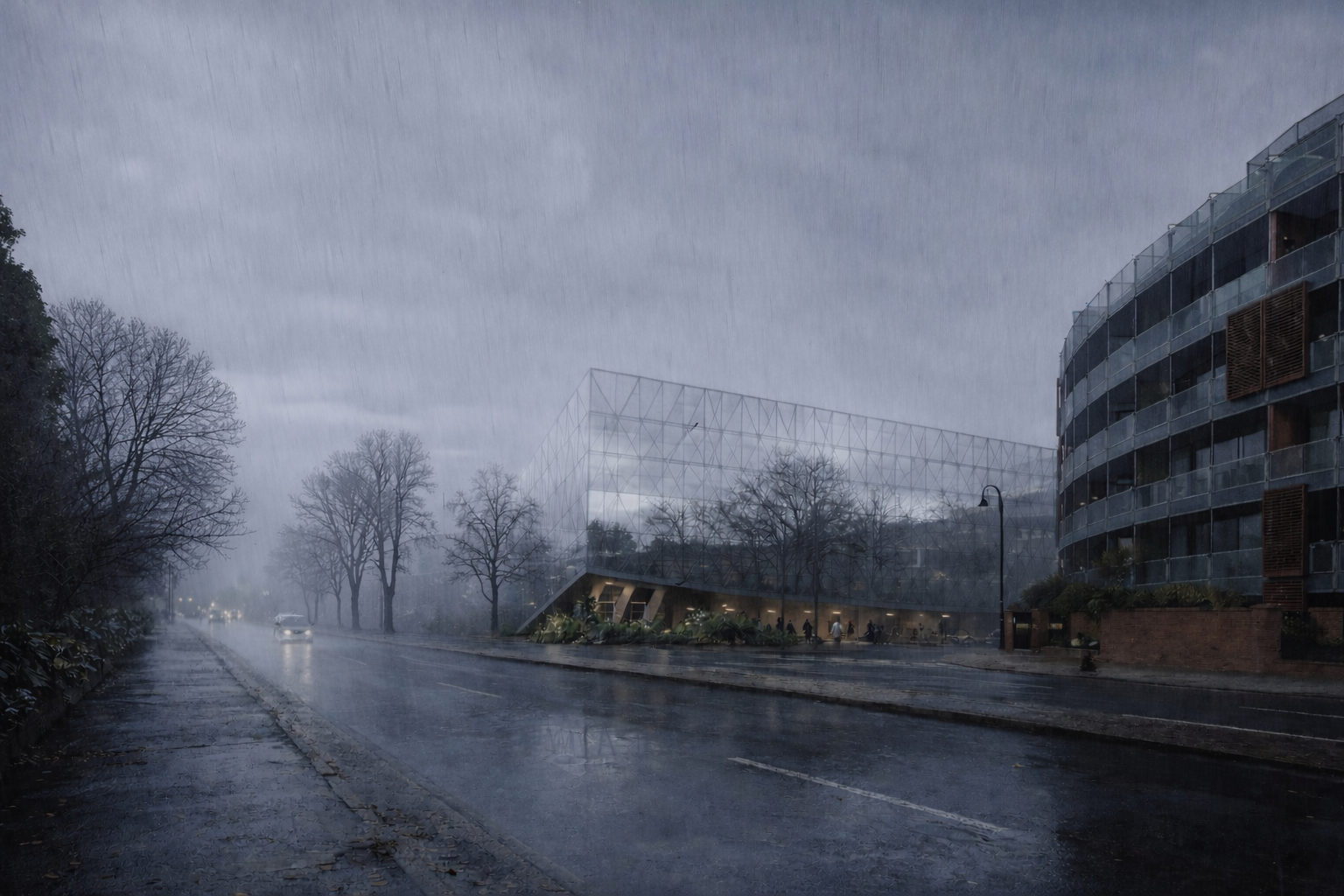
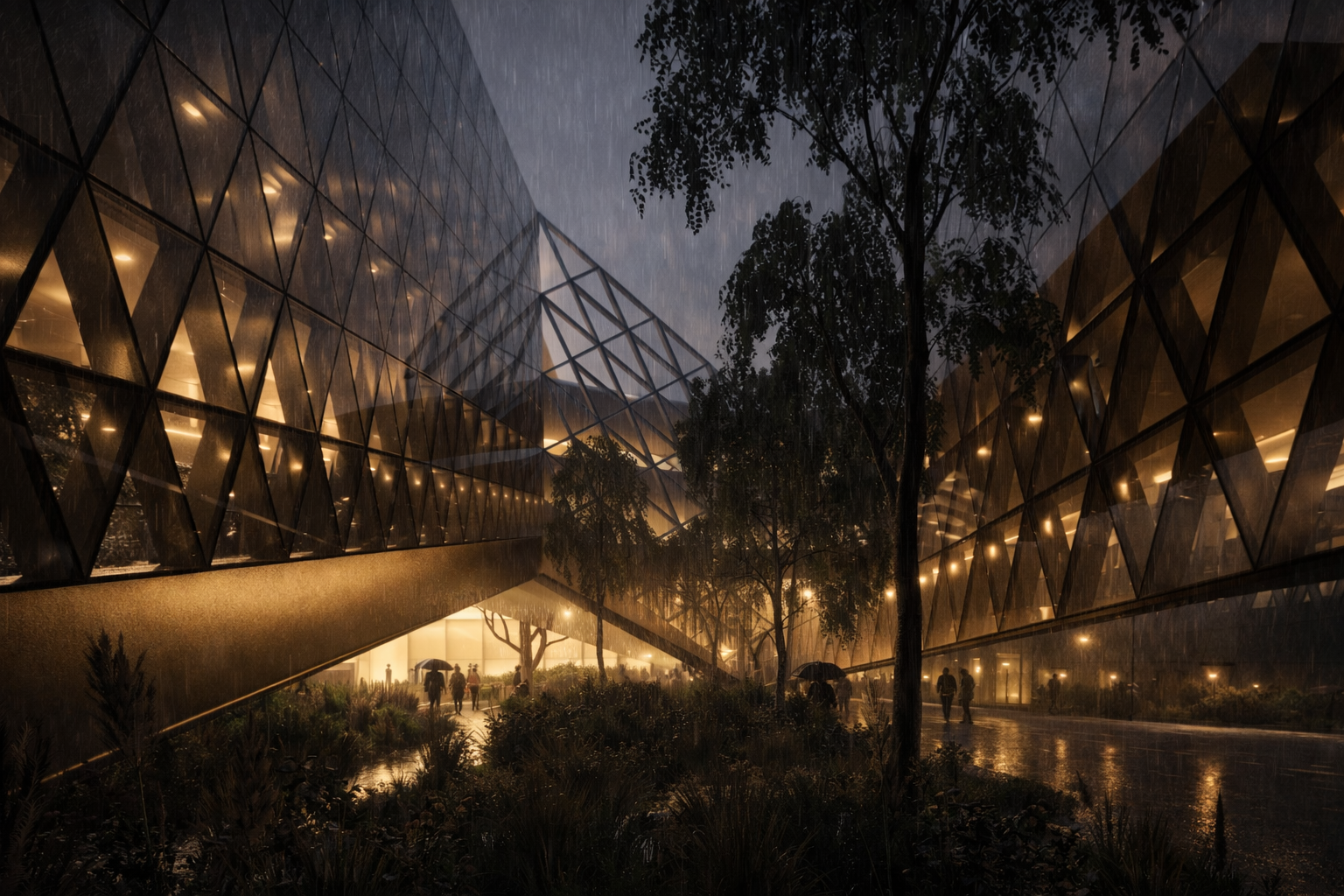
Savage Interactive is an internationally acclaimed Australian software company based in its hometown of Hobart, Tasmania. Initially, the company explored relocating its workplace into the Tasmanian wilderness, but ultimately recognised the constraints of leaving the city.
Instead, it set out to design an internationally significant headquarters capable of attracting global talent away from Silicon Valley. An internal competition was launched to reimagine a workplace that could bring the wilderness into the CBD, won by March Studio.
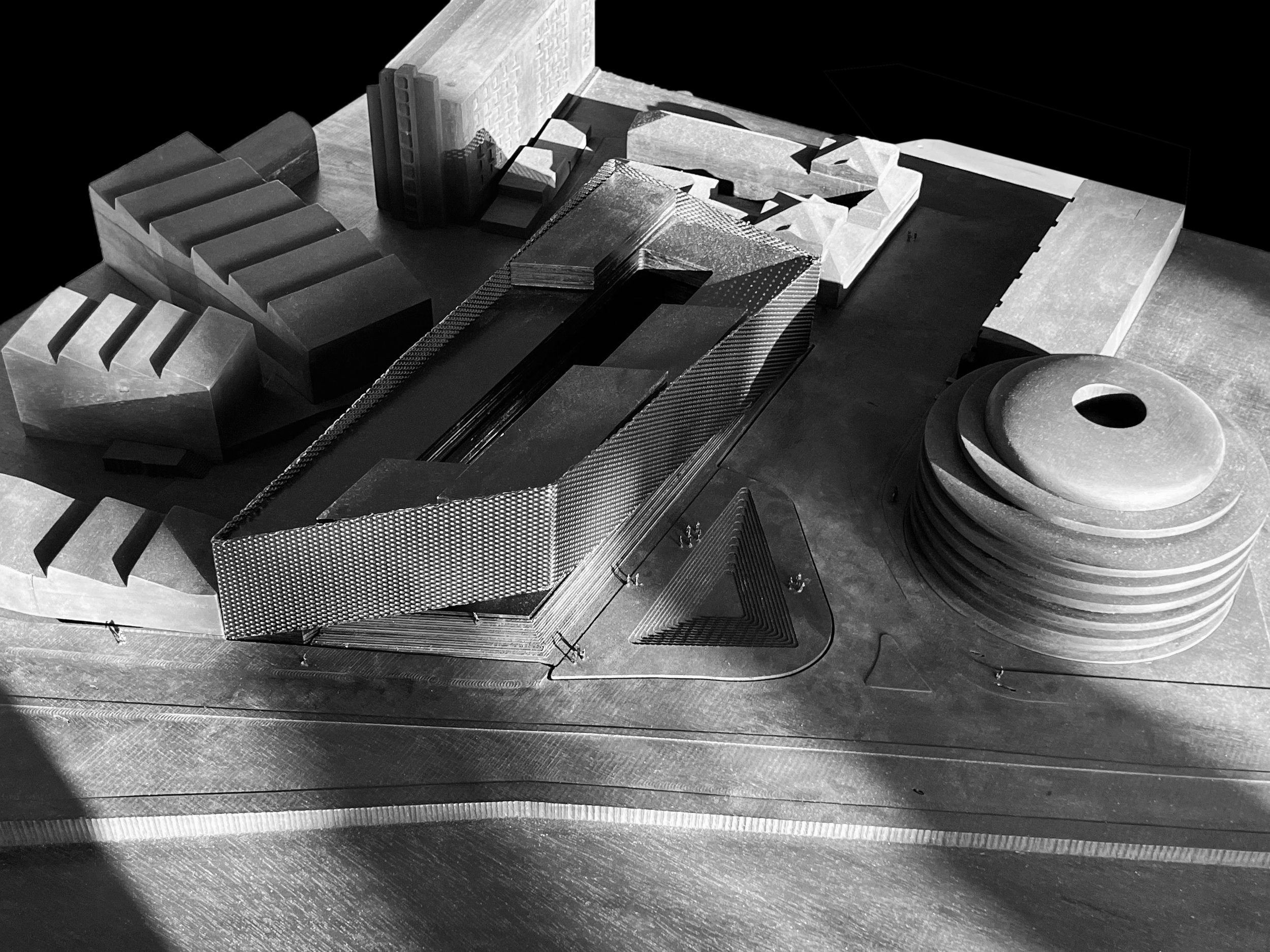
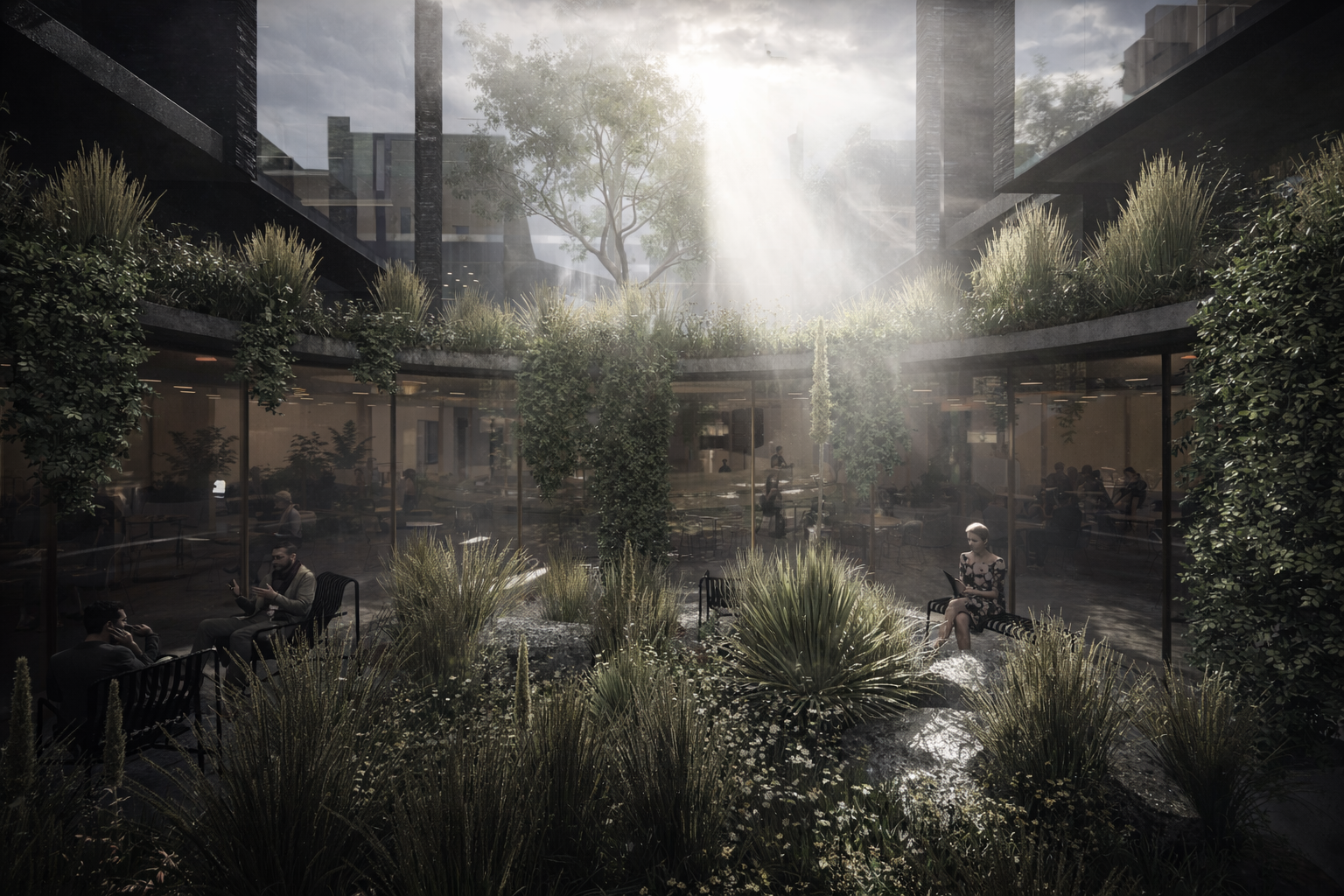
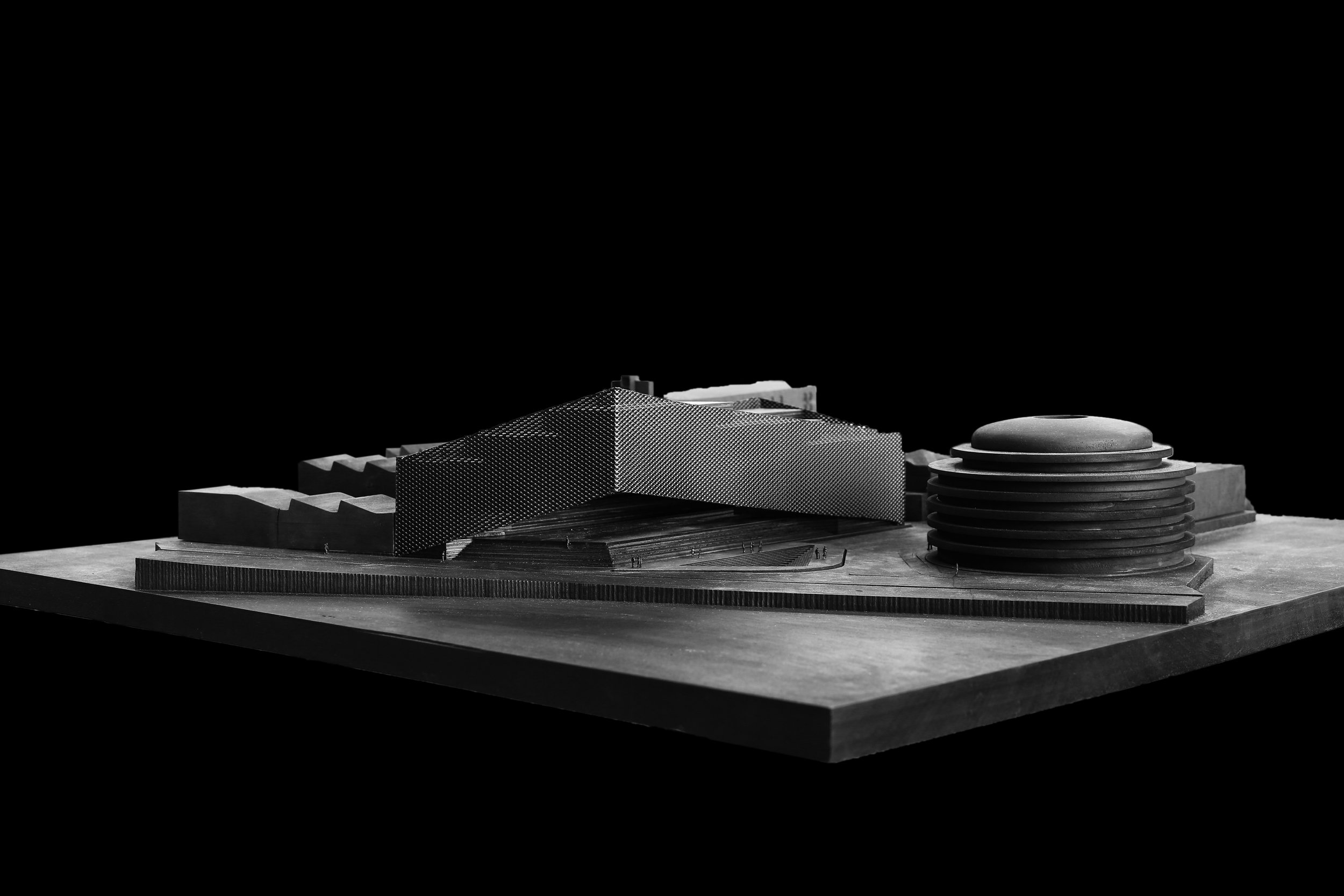
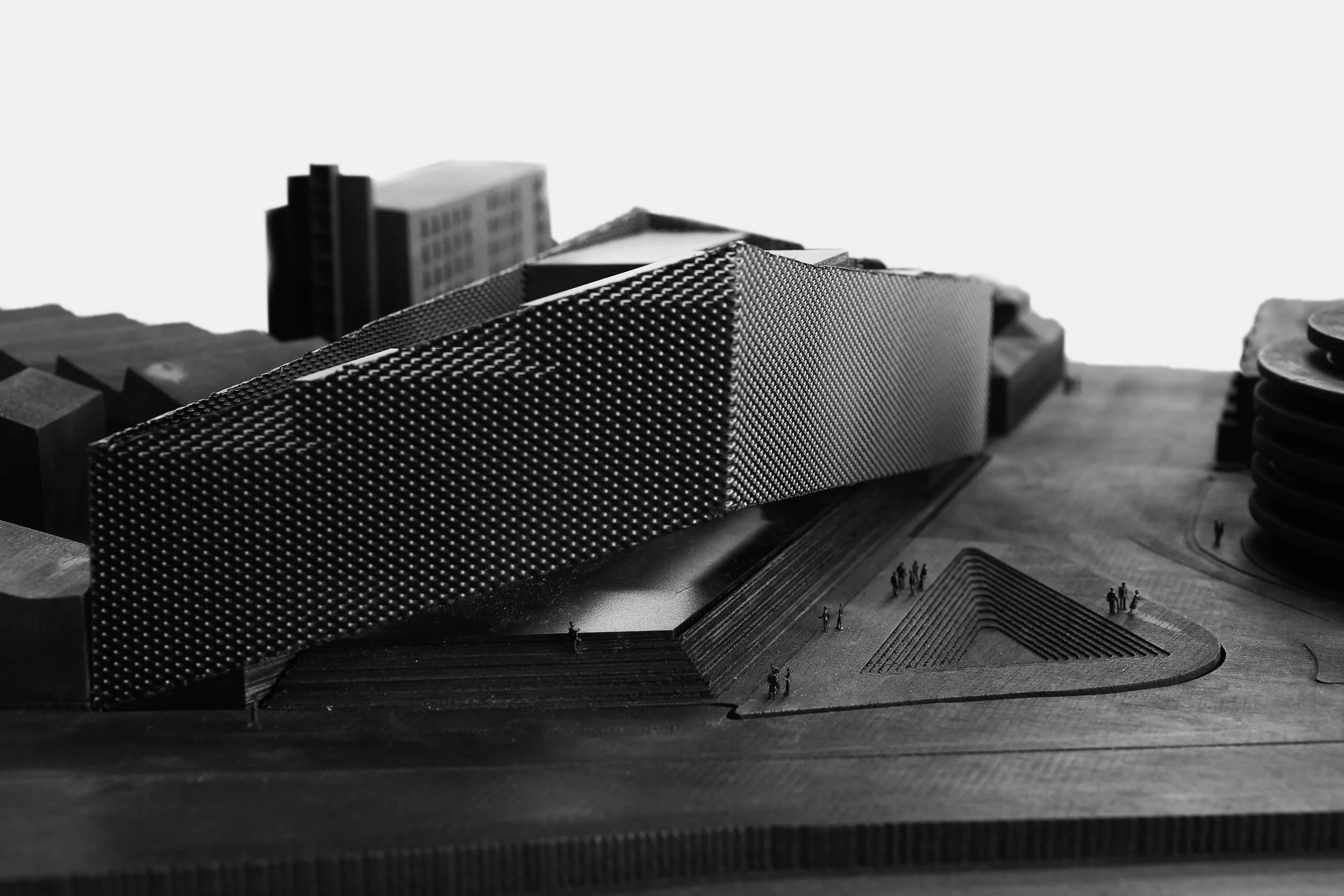
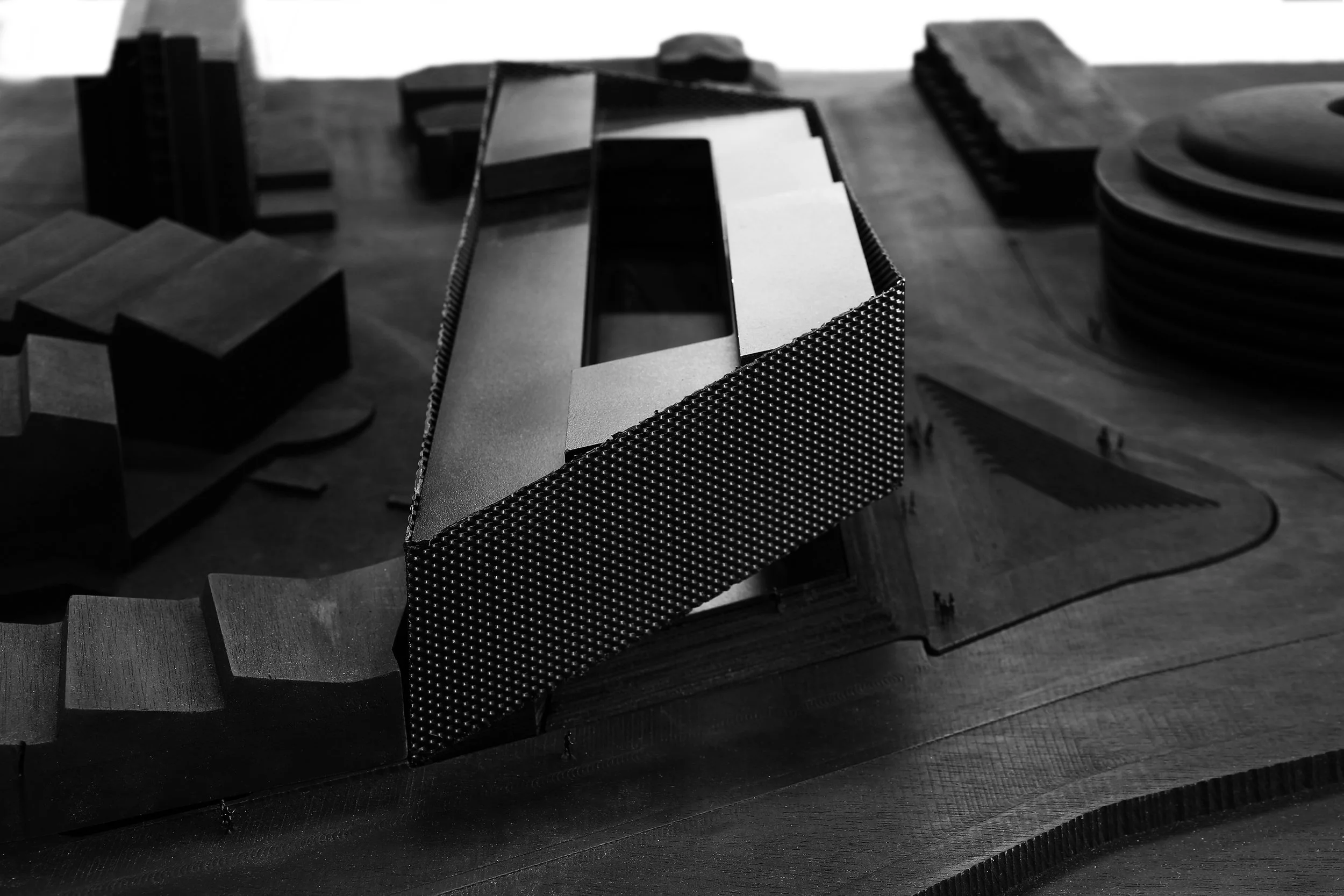
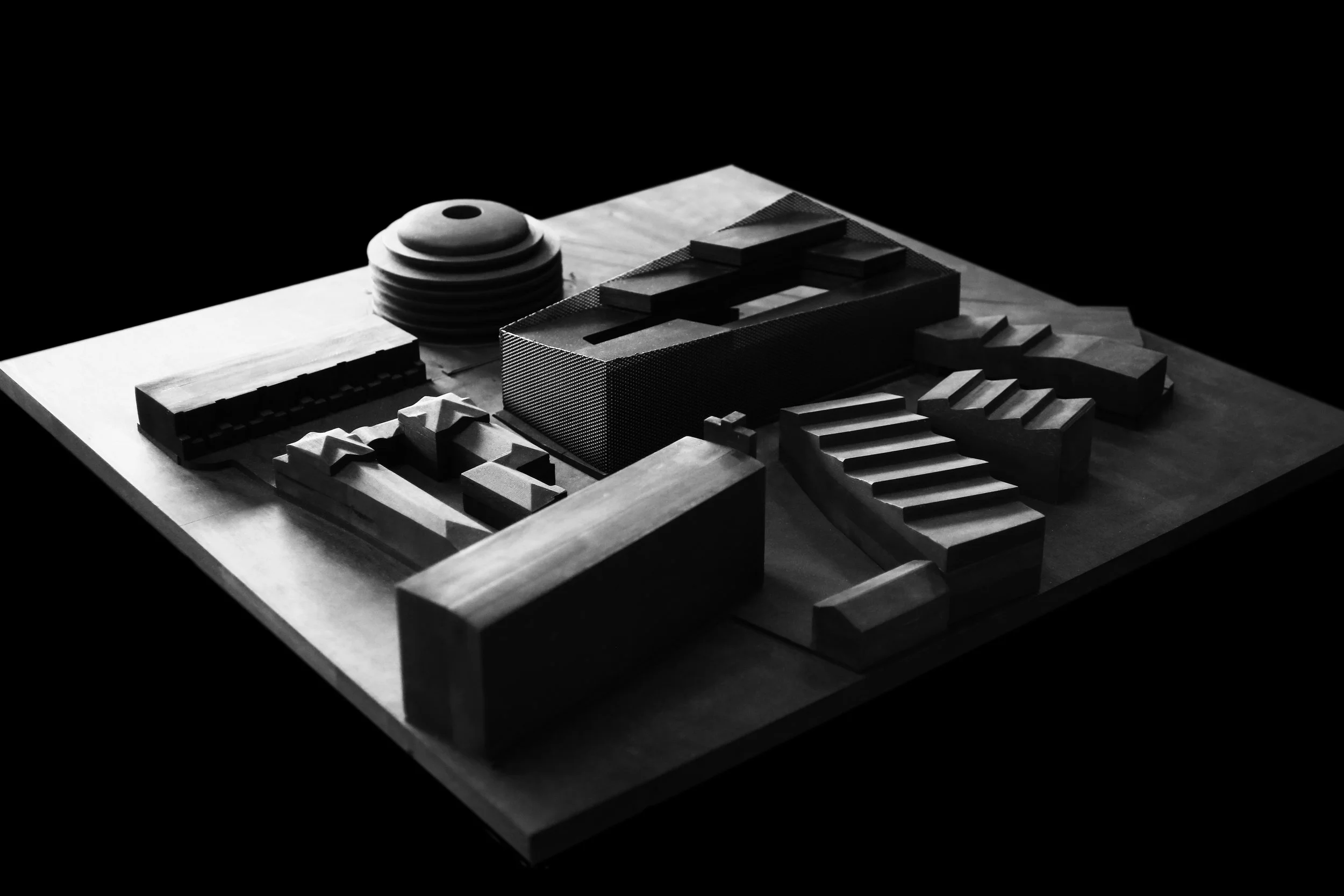
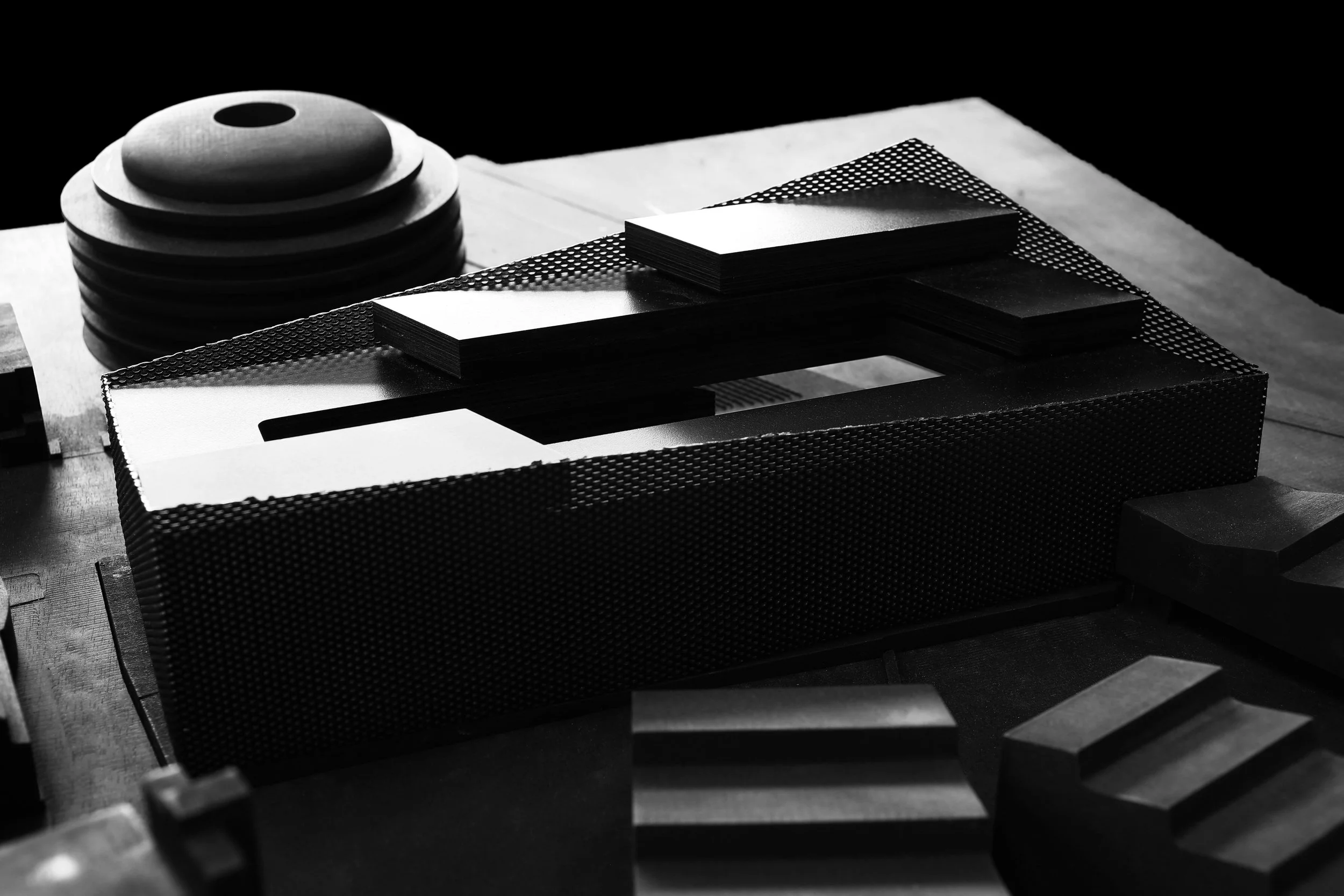
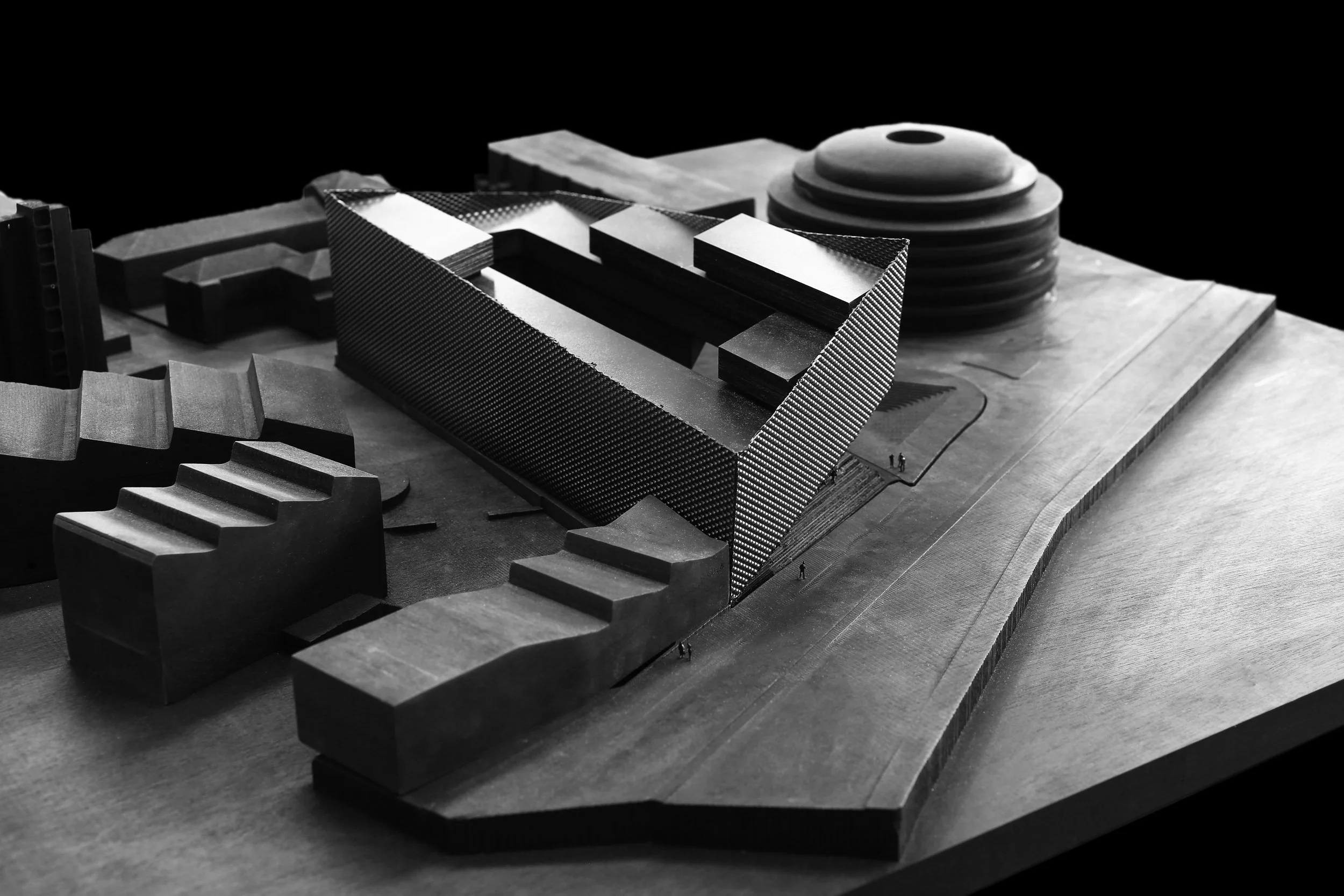
Located at the entrance to Hobart on Collins Street, the proposal centres on a 700-square-metre internal rainforest, establishing a direct and immersive connection between the workplace and the Tasmanian landscape. Designed by OCULUS, the garden is designed for all year round, complete with wandering Australian marsupials.
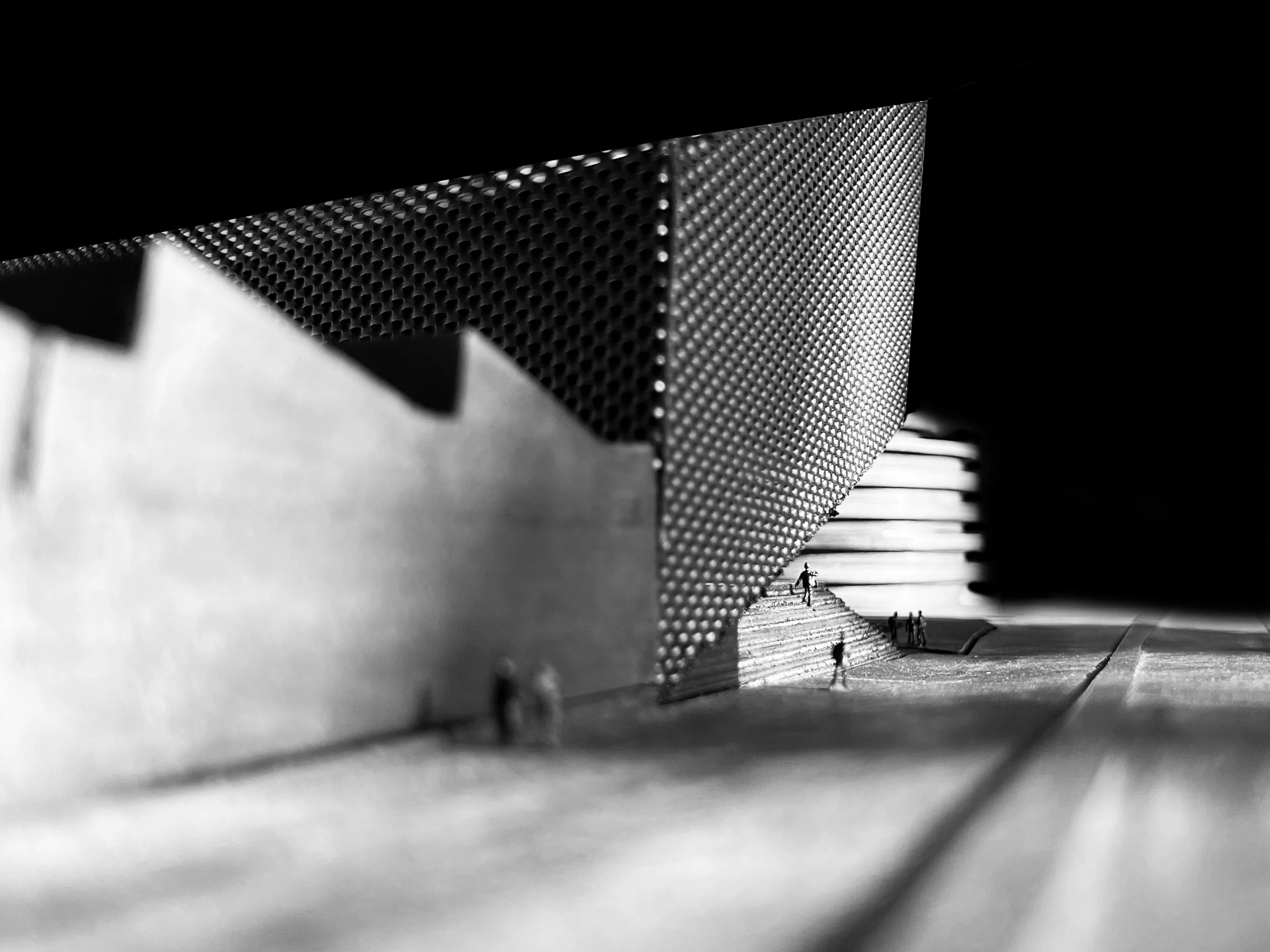
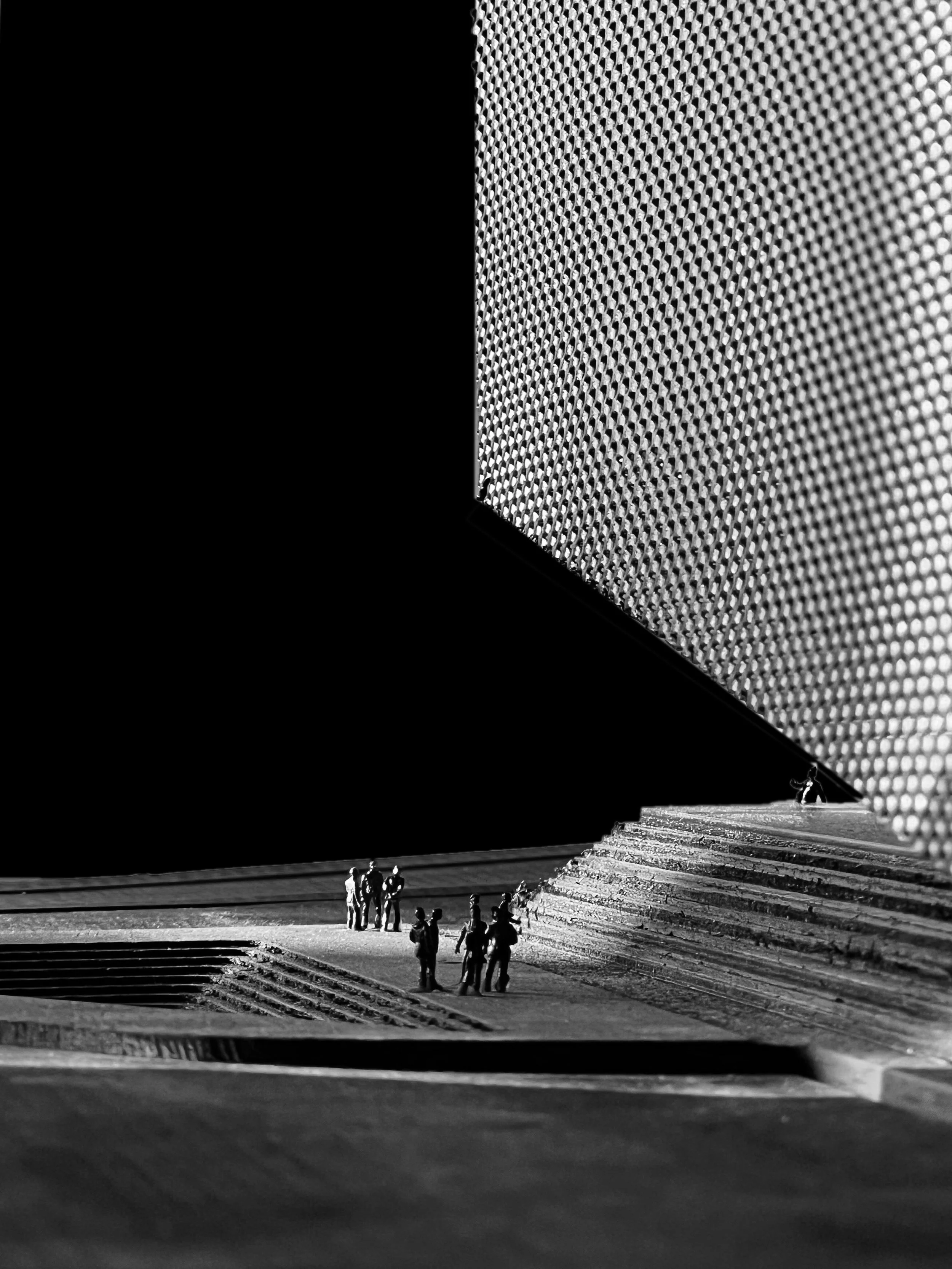
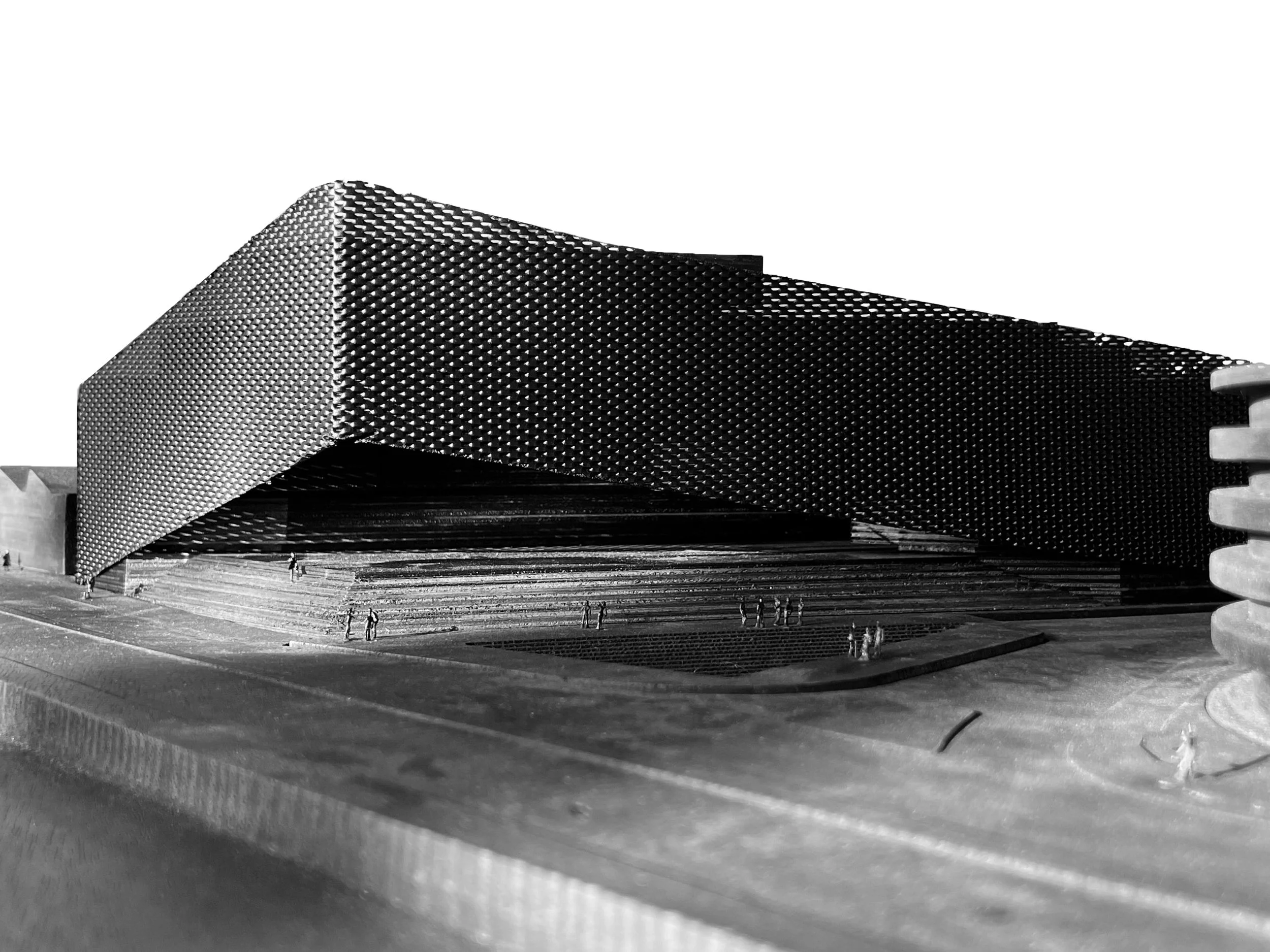
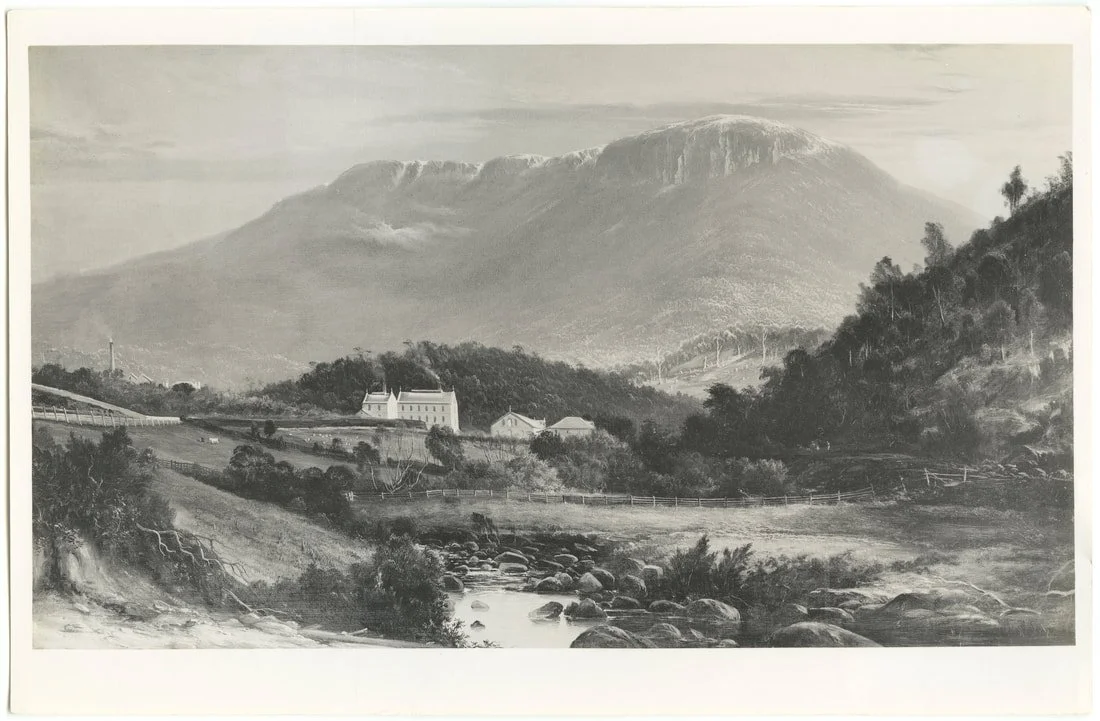
Hobart provides a unique backdrop for this ambition: a brooding, atmospheric city where weather, landscape and architecture exist in constant dialogue. It is a place defined as much by what it resists as what it offers, creating an environment uniquely suited to focus, reflection and the act of work itself.
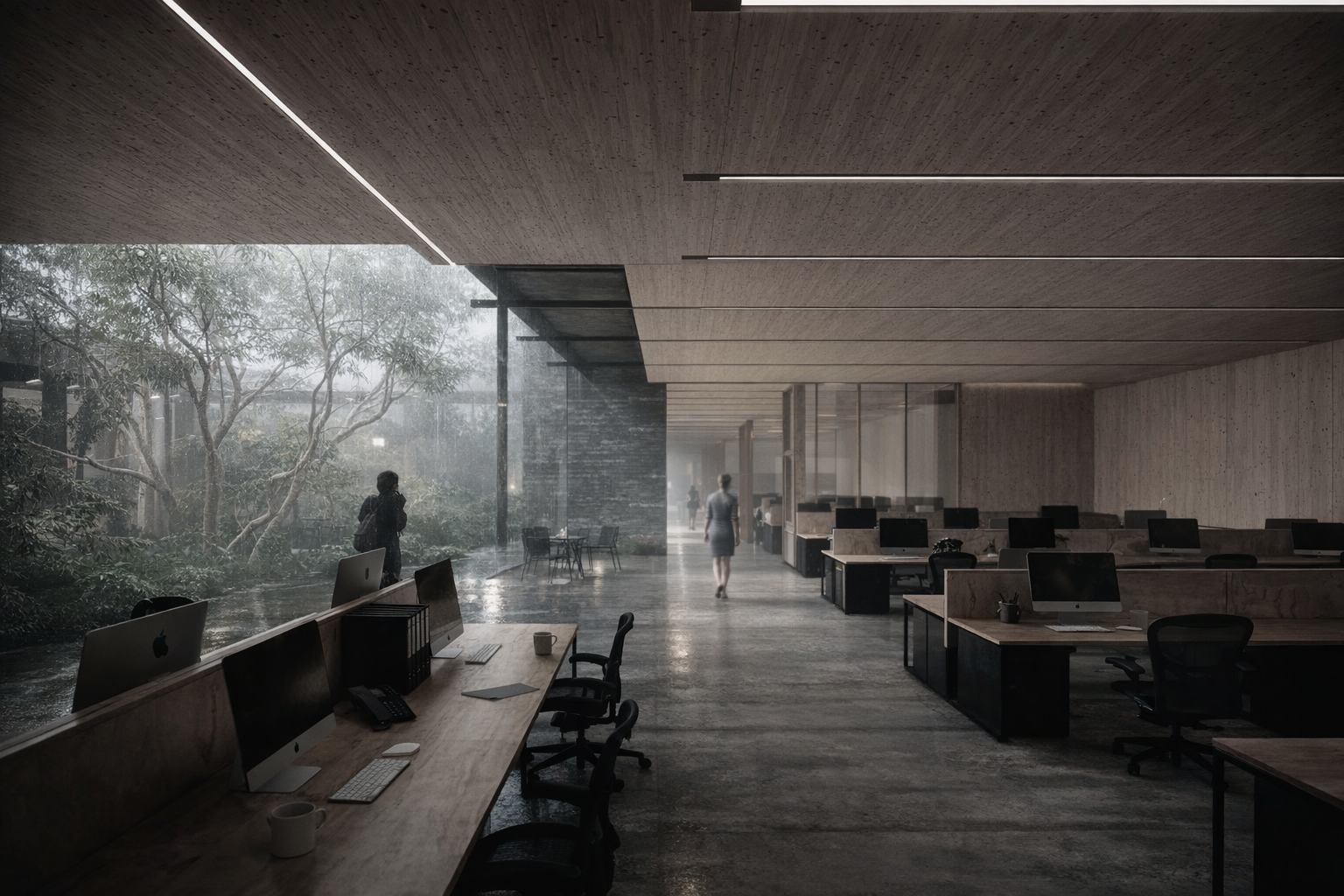
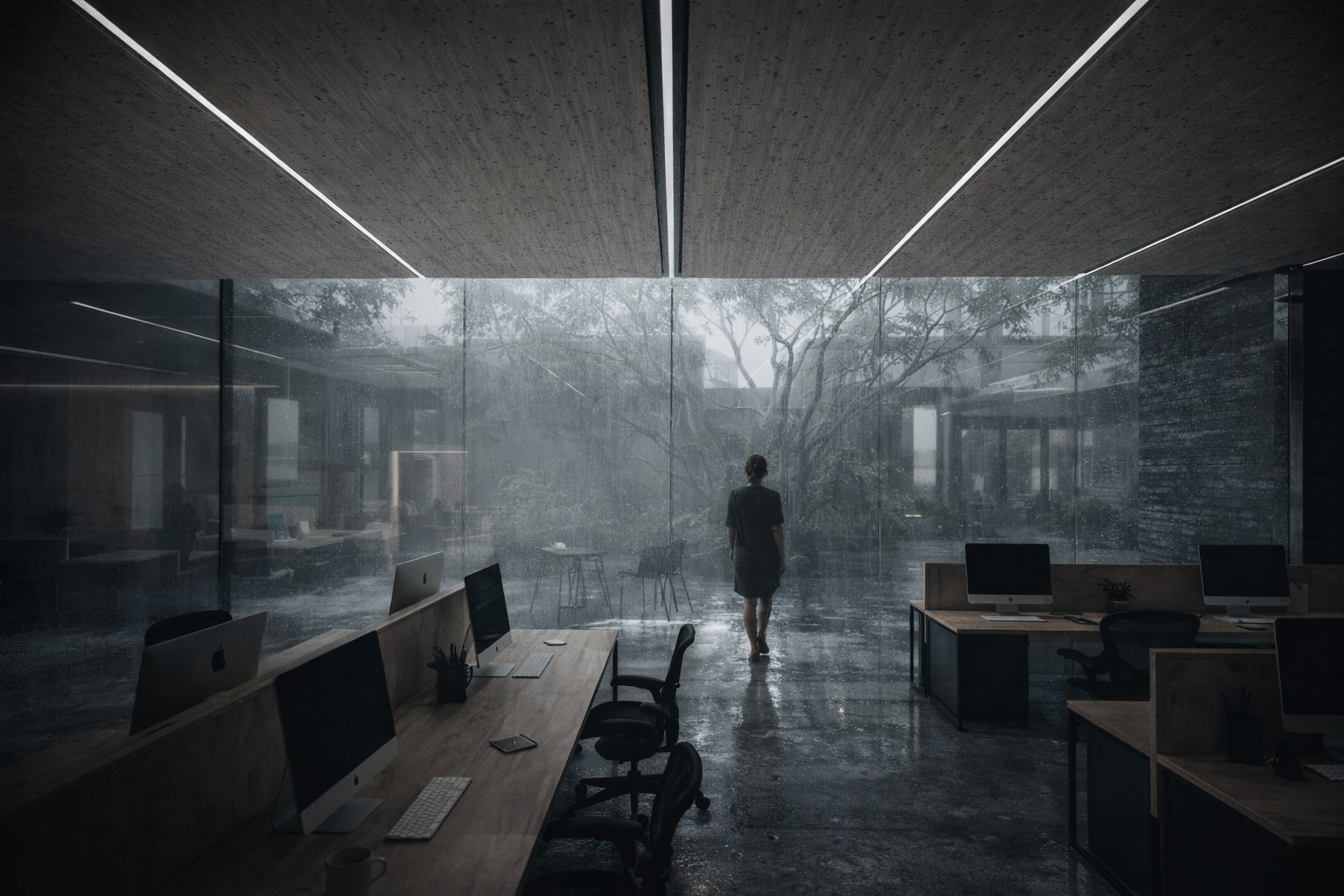
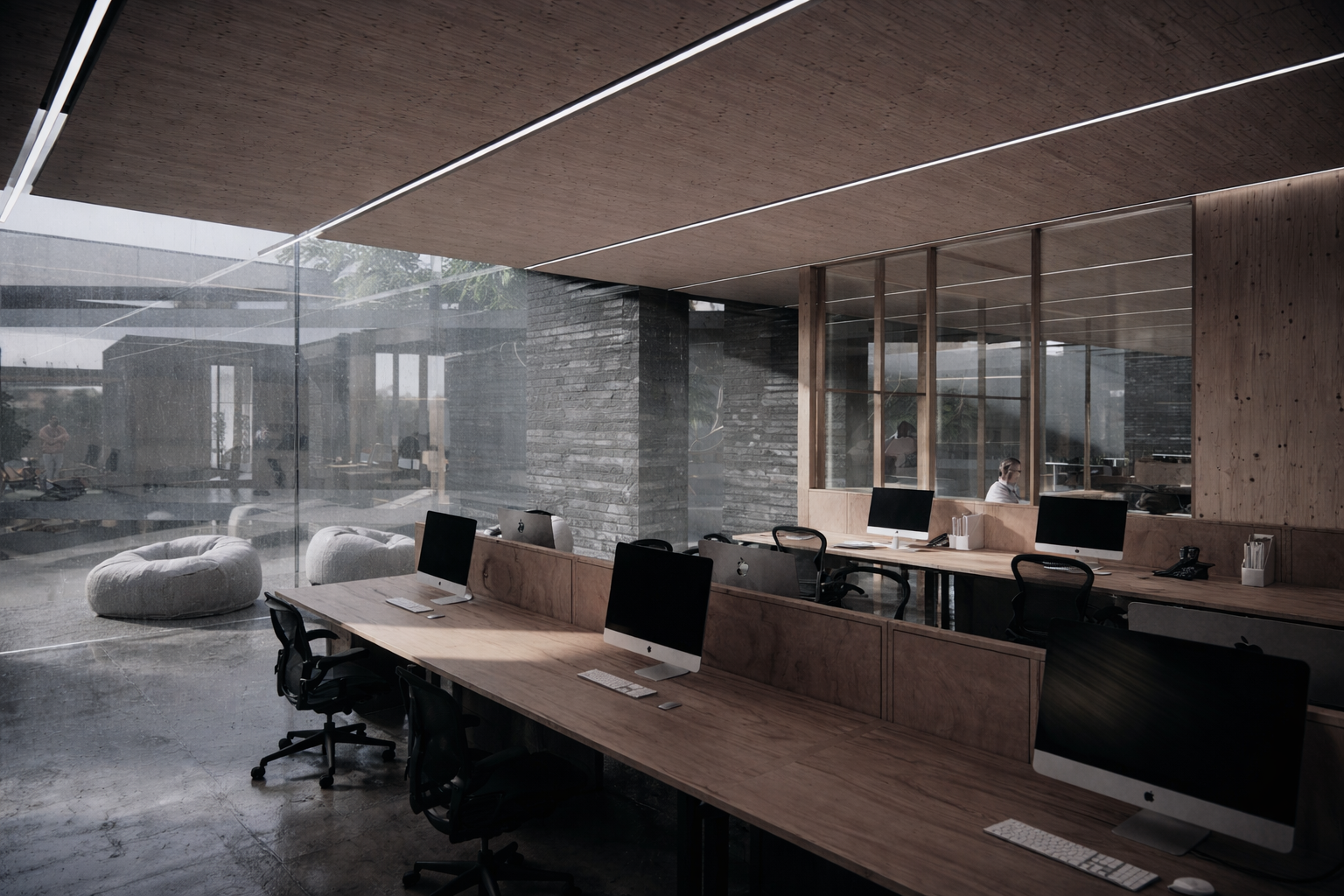
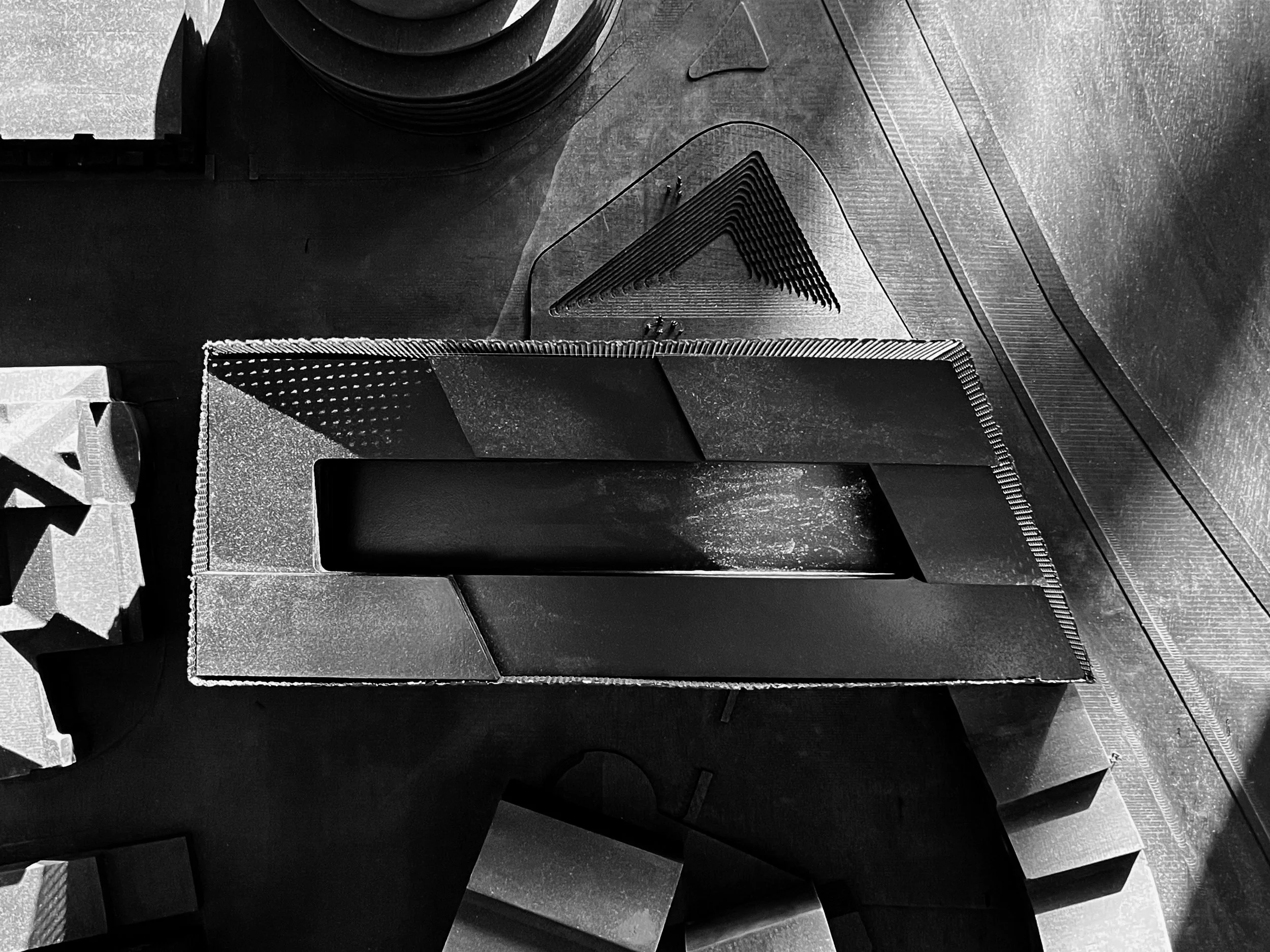
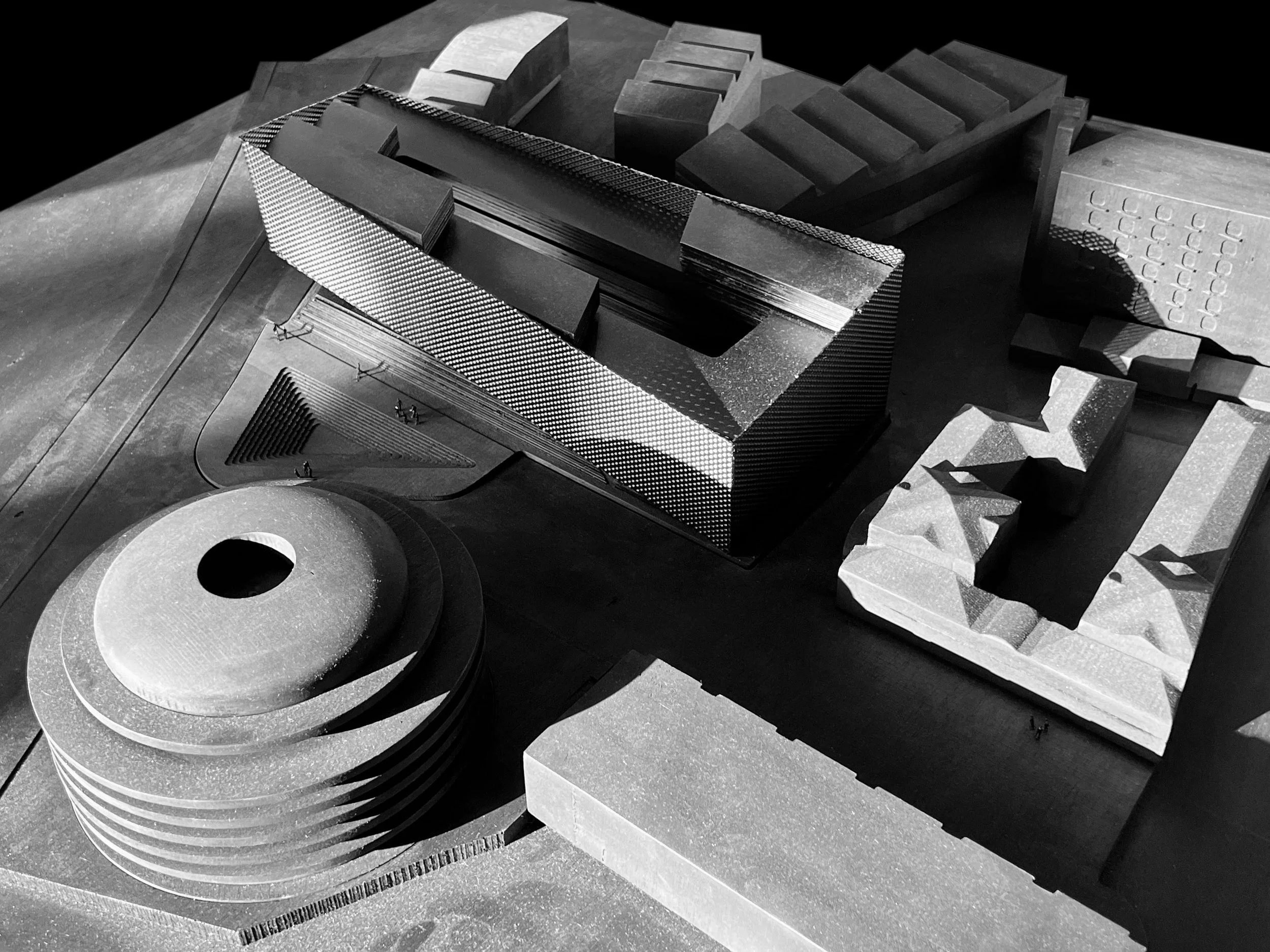
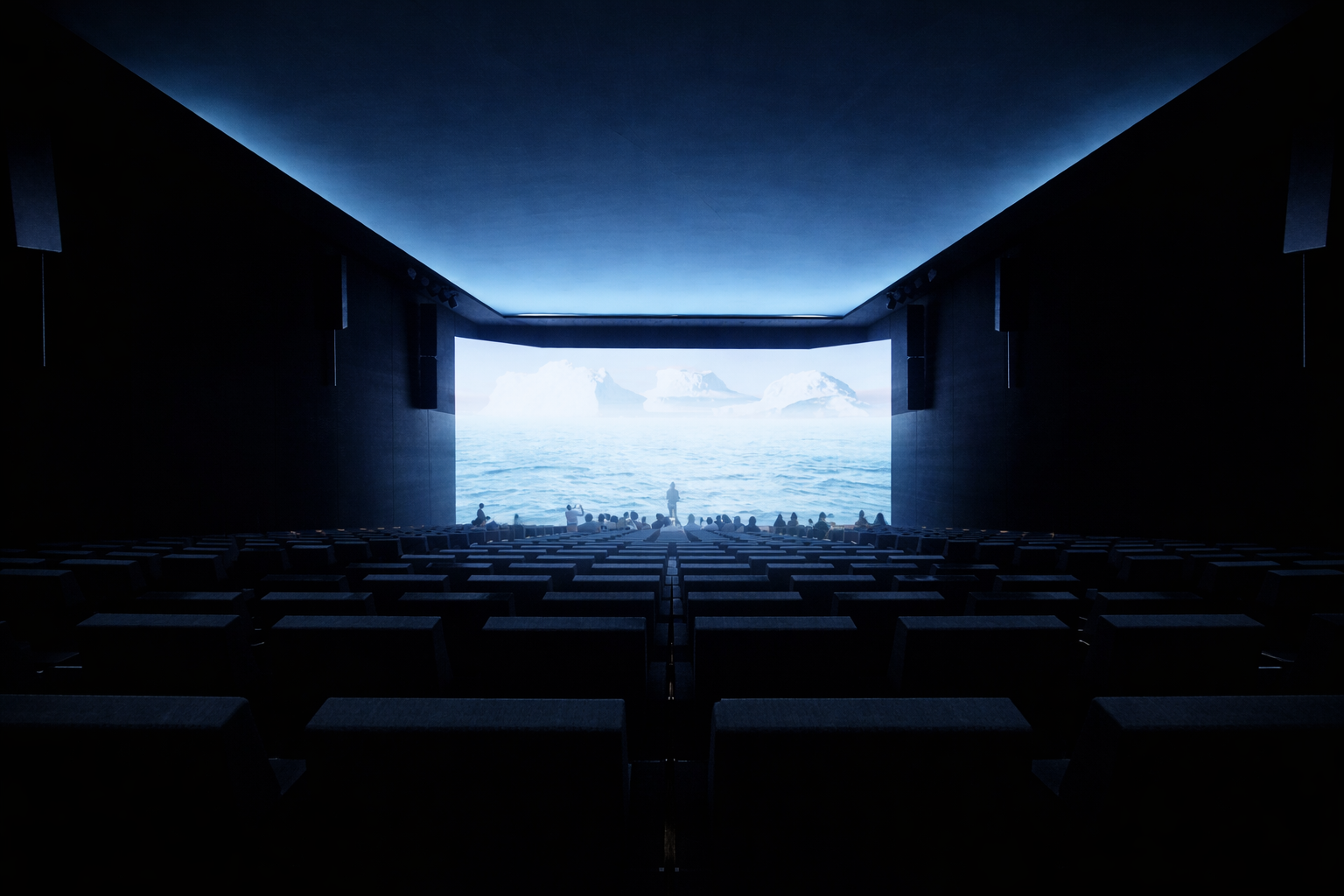
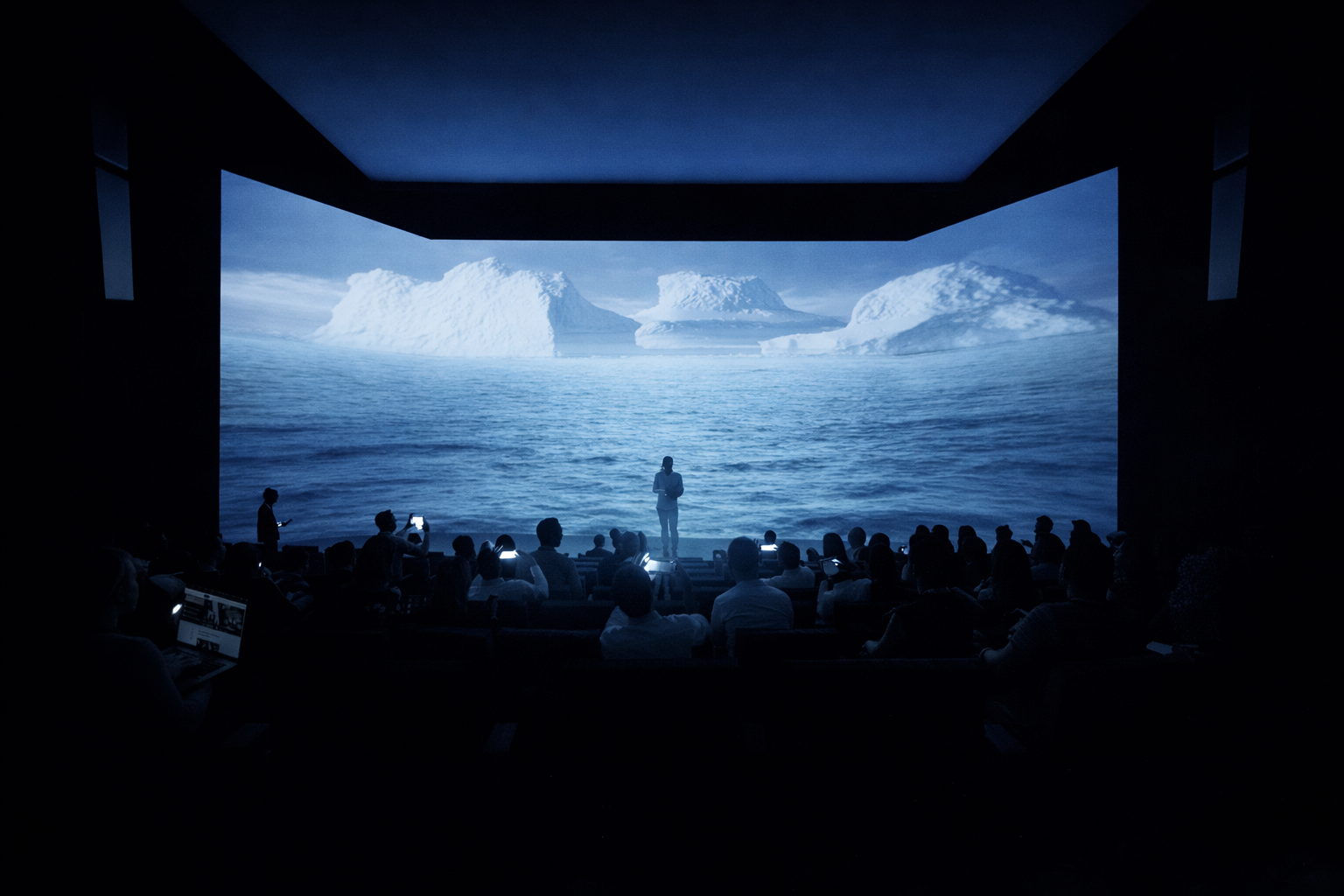
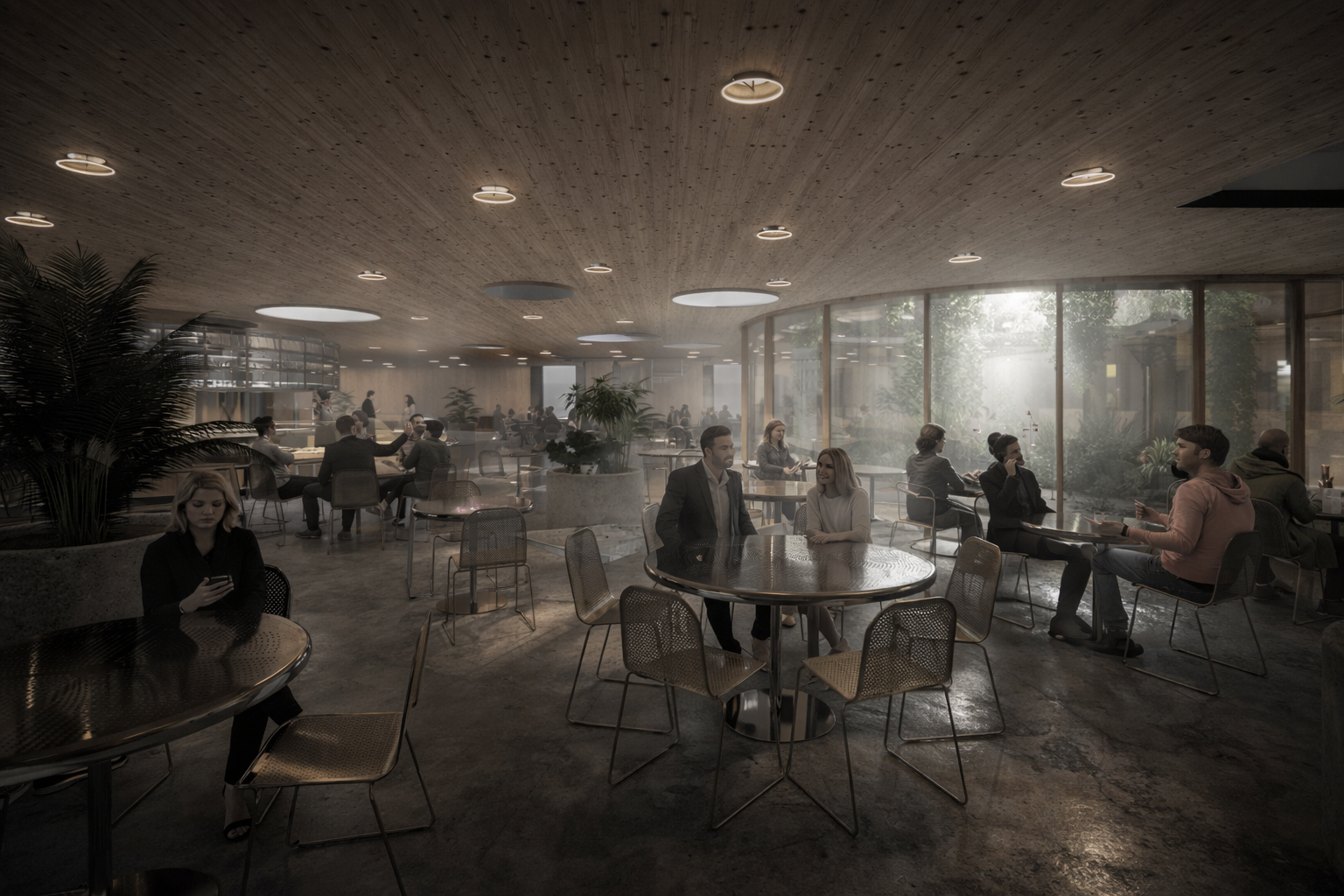
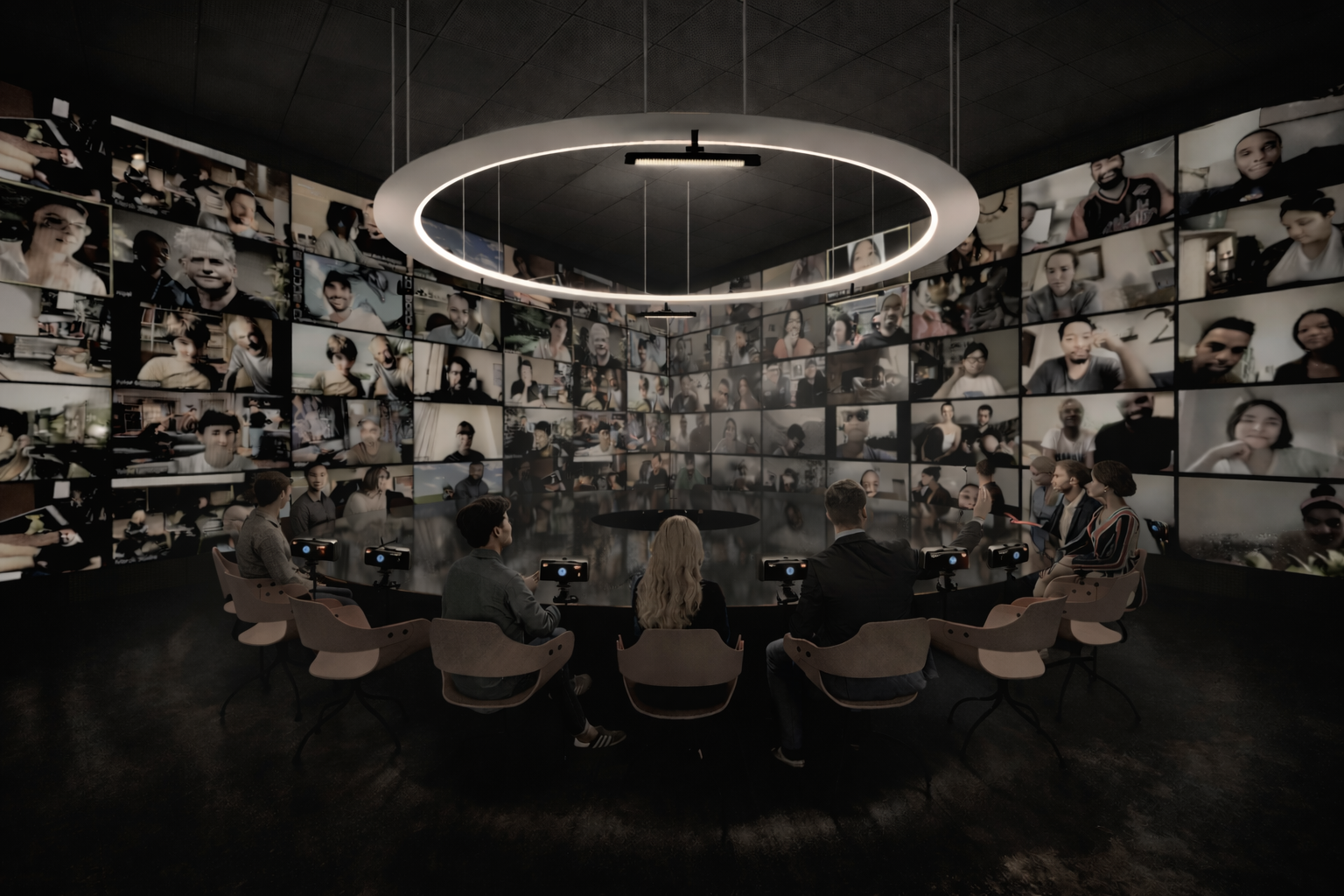
The seven-level building is organised as a flexible and adaptive framework, accommodating 350 workstations alongside private offices, research and development labs, a library, gym, swimming pool and end-of-trip facilities. A 250-seat auditorium and a large-scale, fully immersive ‘Zoom Room’ support both internal collaboration and global communication. A central restaurant and café operate as the social heart of the building, spilling into terraces and informal breakout areas overlooking the landscape below.
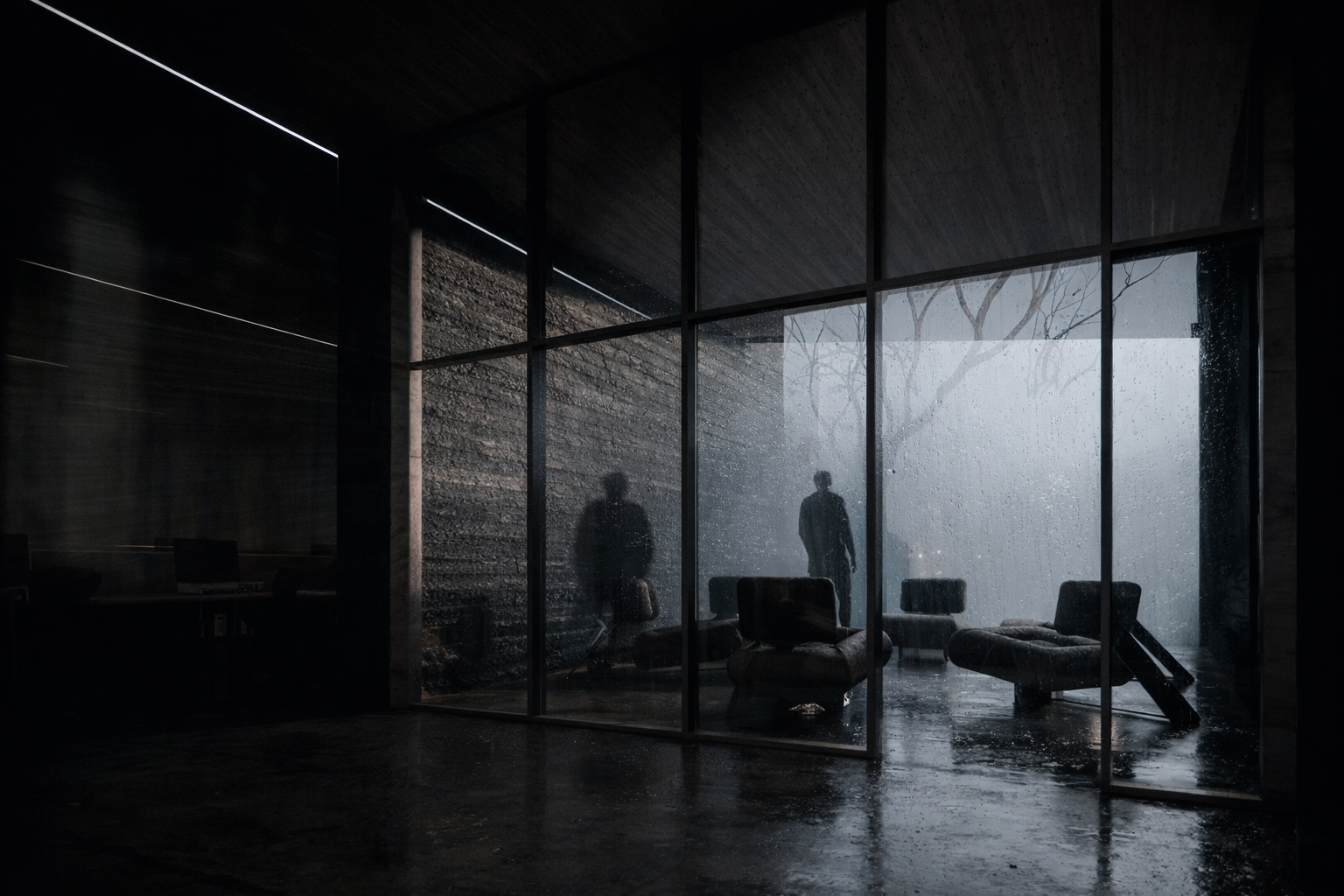
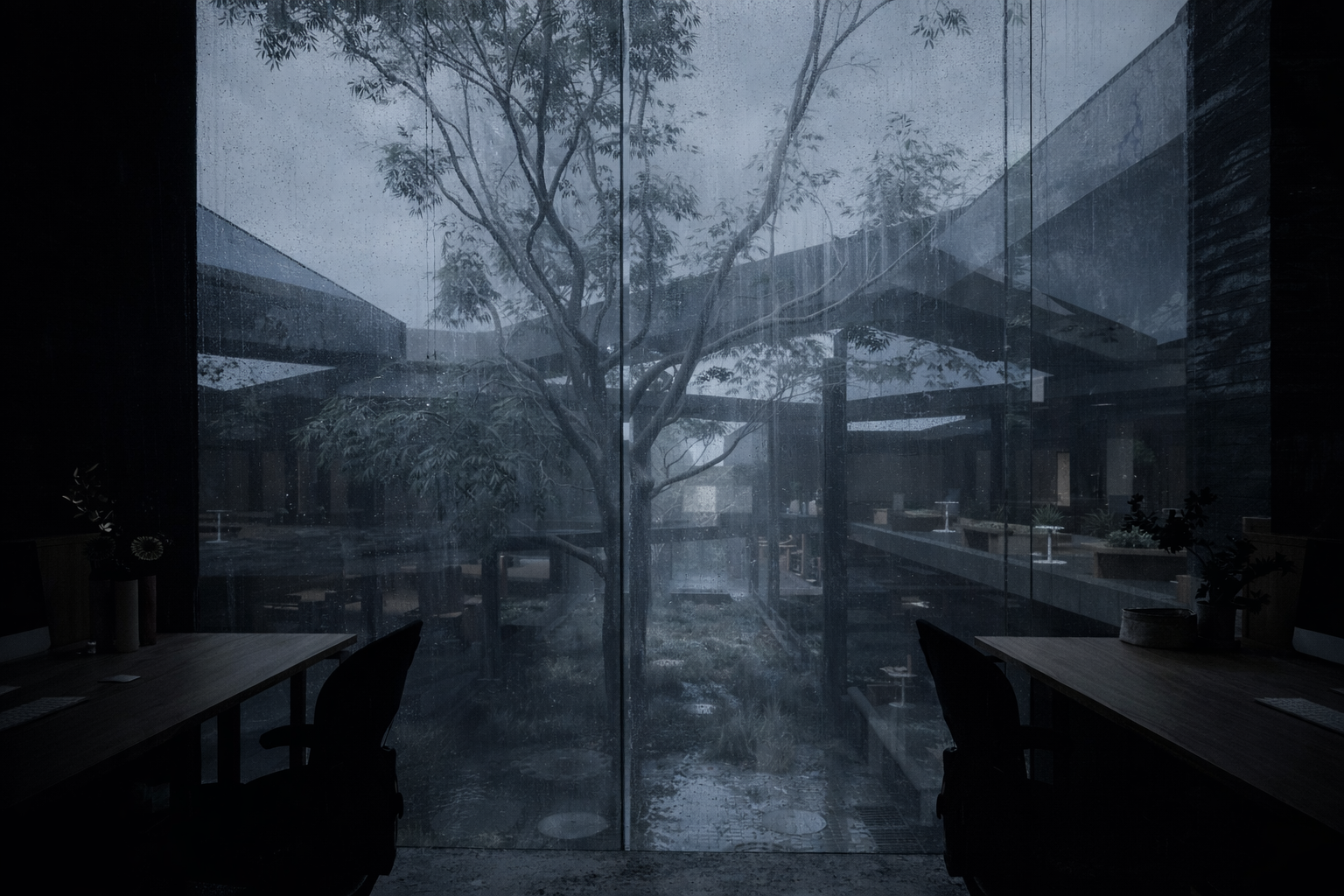
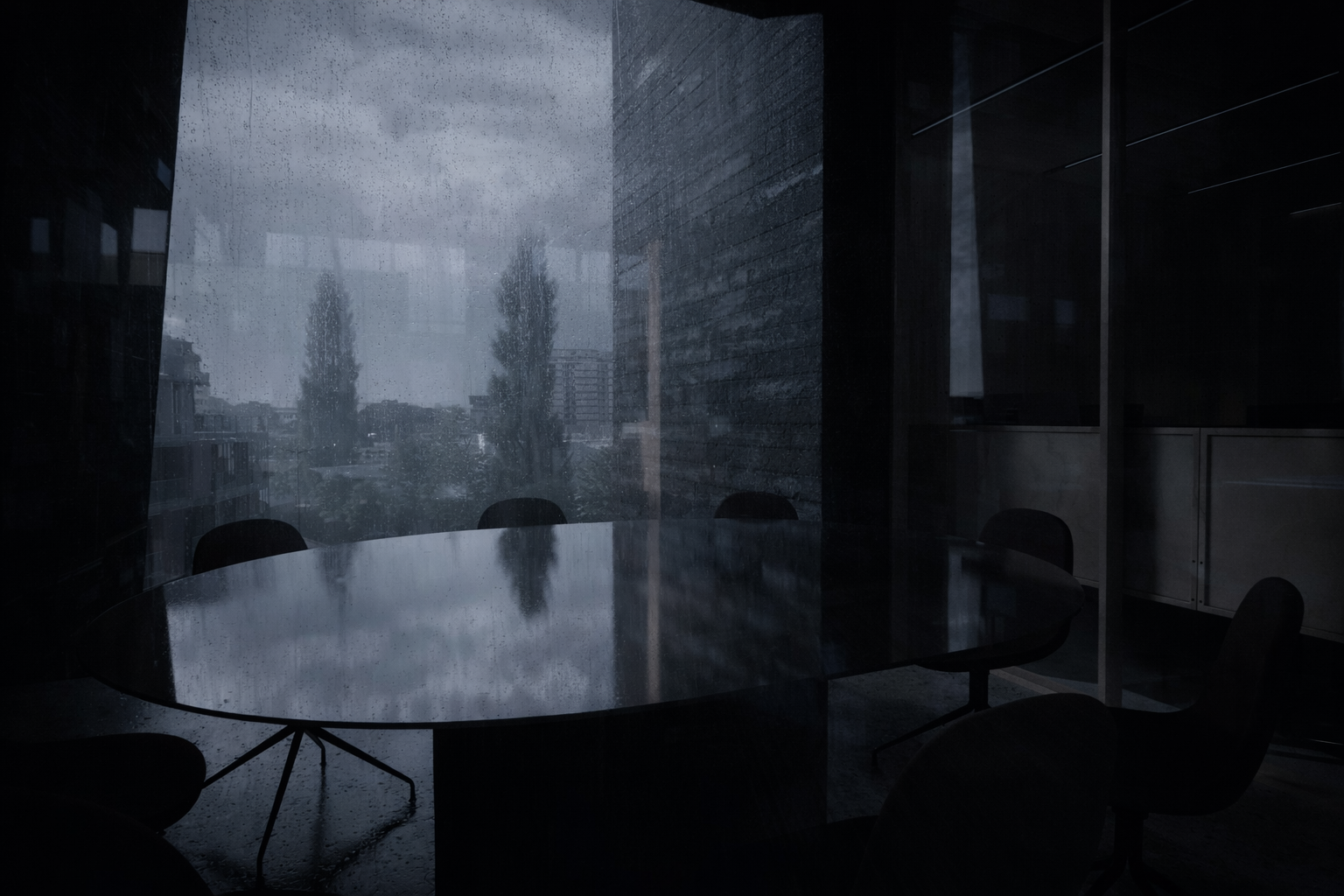
Workspaces are arranged as a series of layered environments rather than fixed departments, with open-plan studios, quiet rooms and enclosed meeting spaces positioned around the rainforest edge. Glazed facades and internal courtyards allow light, weather and seasonal change to permeate deep into the building, reinforcing a constant awareness of the environment.
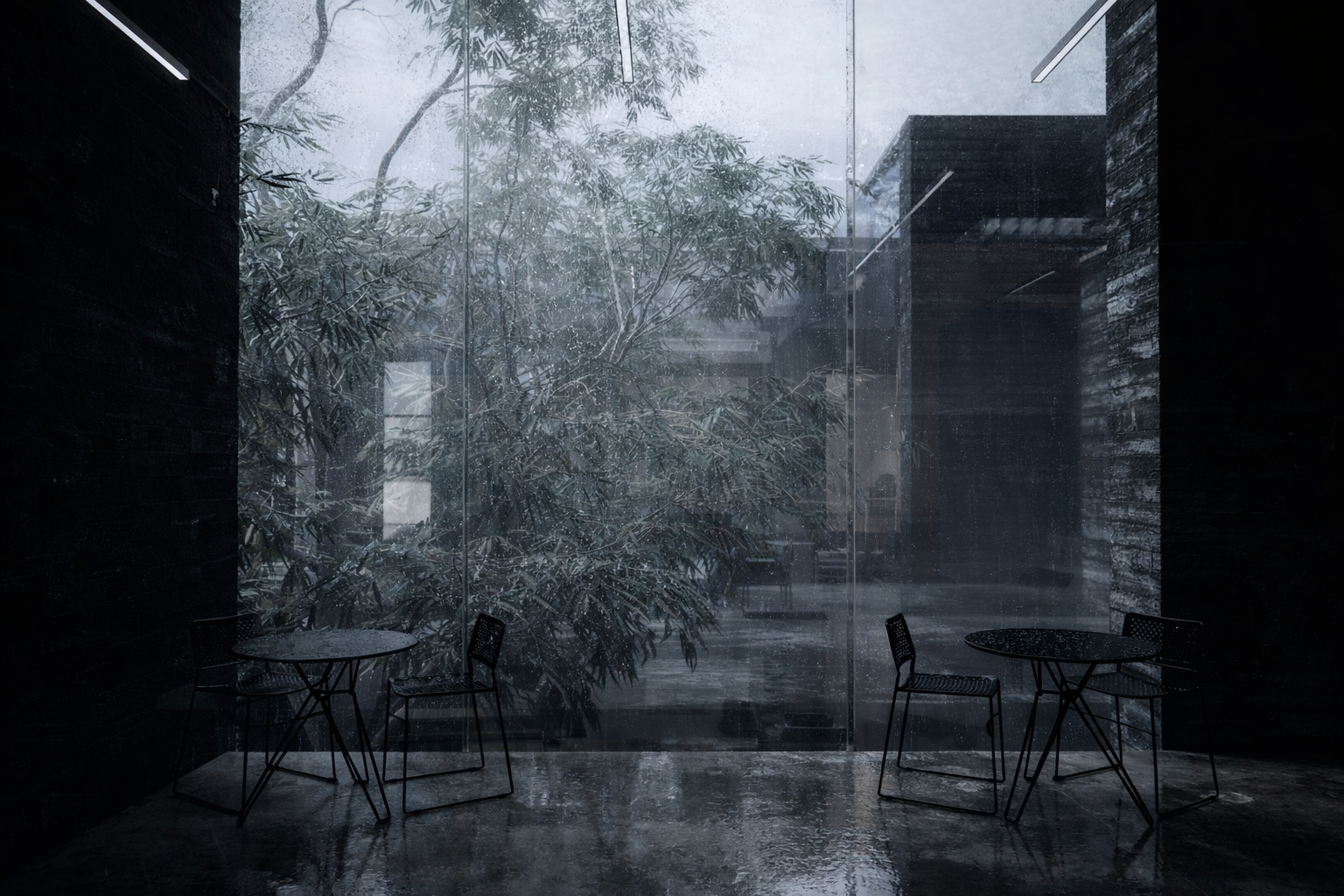
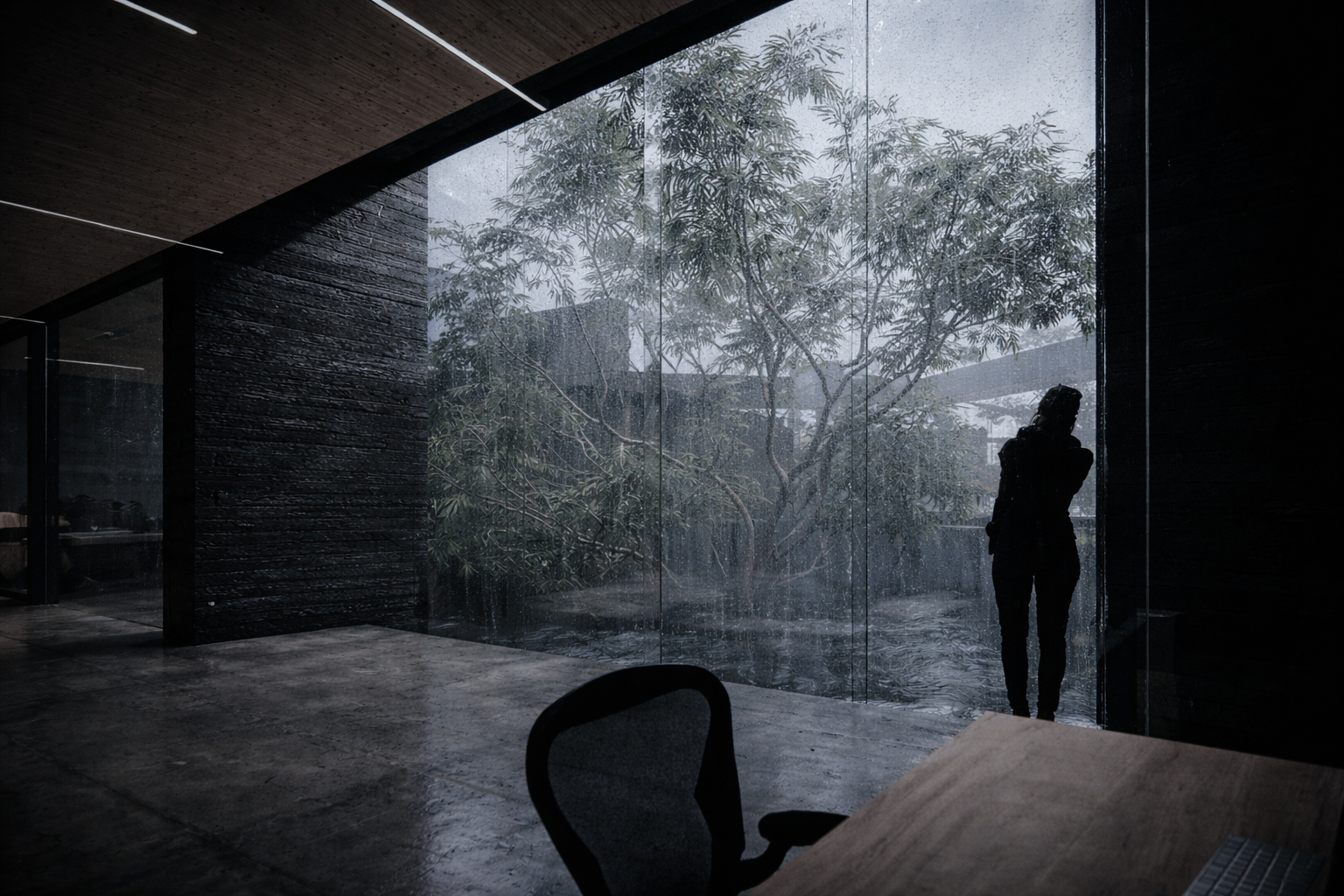
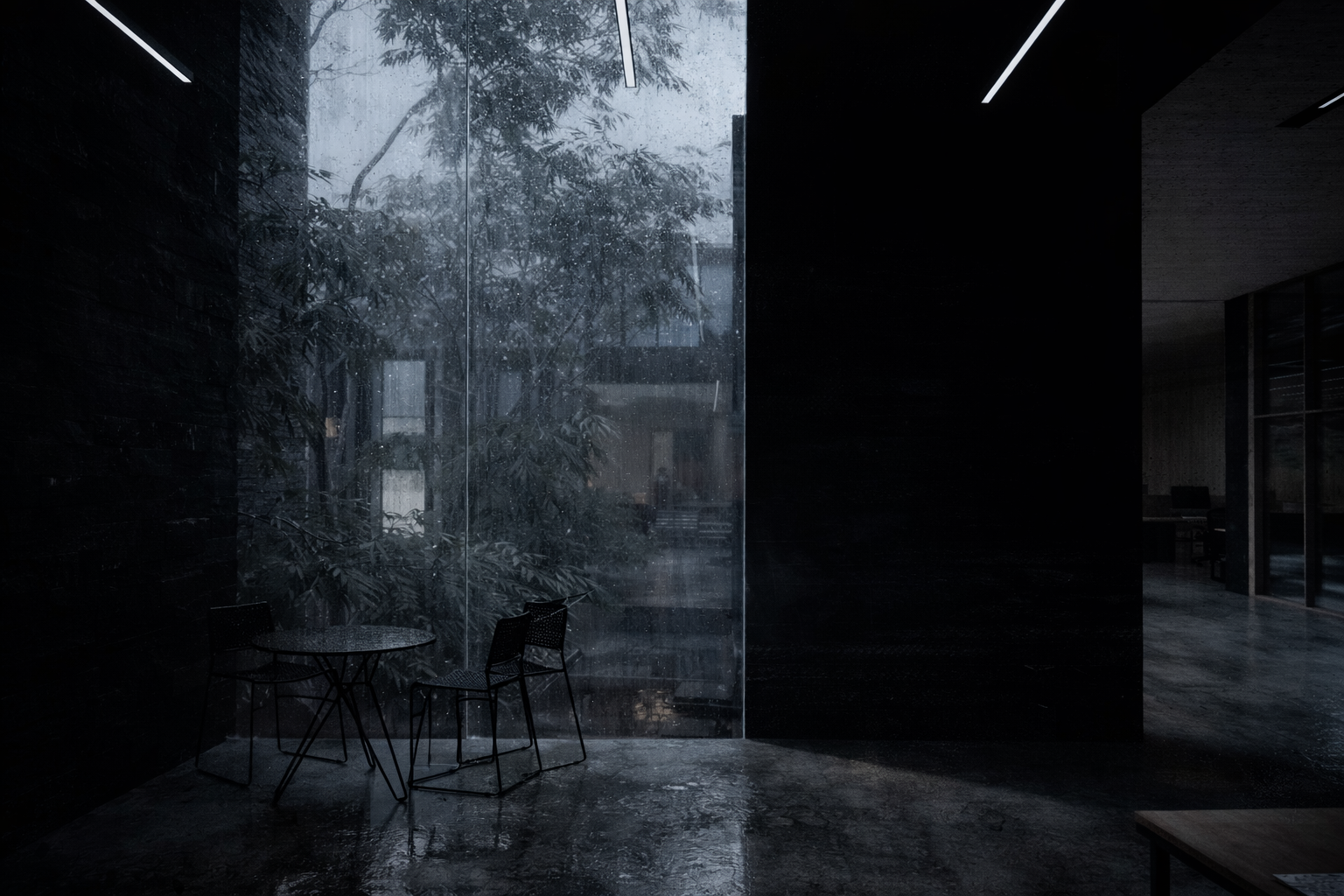
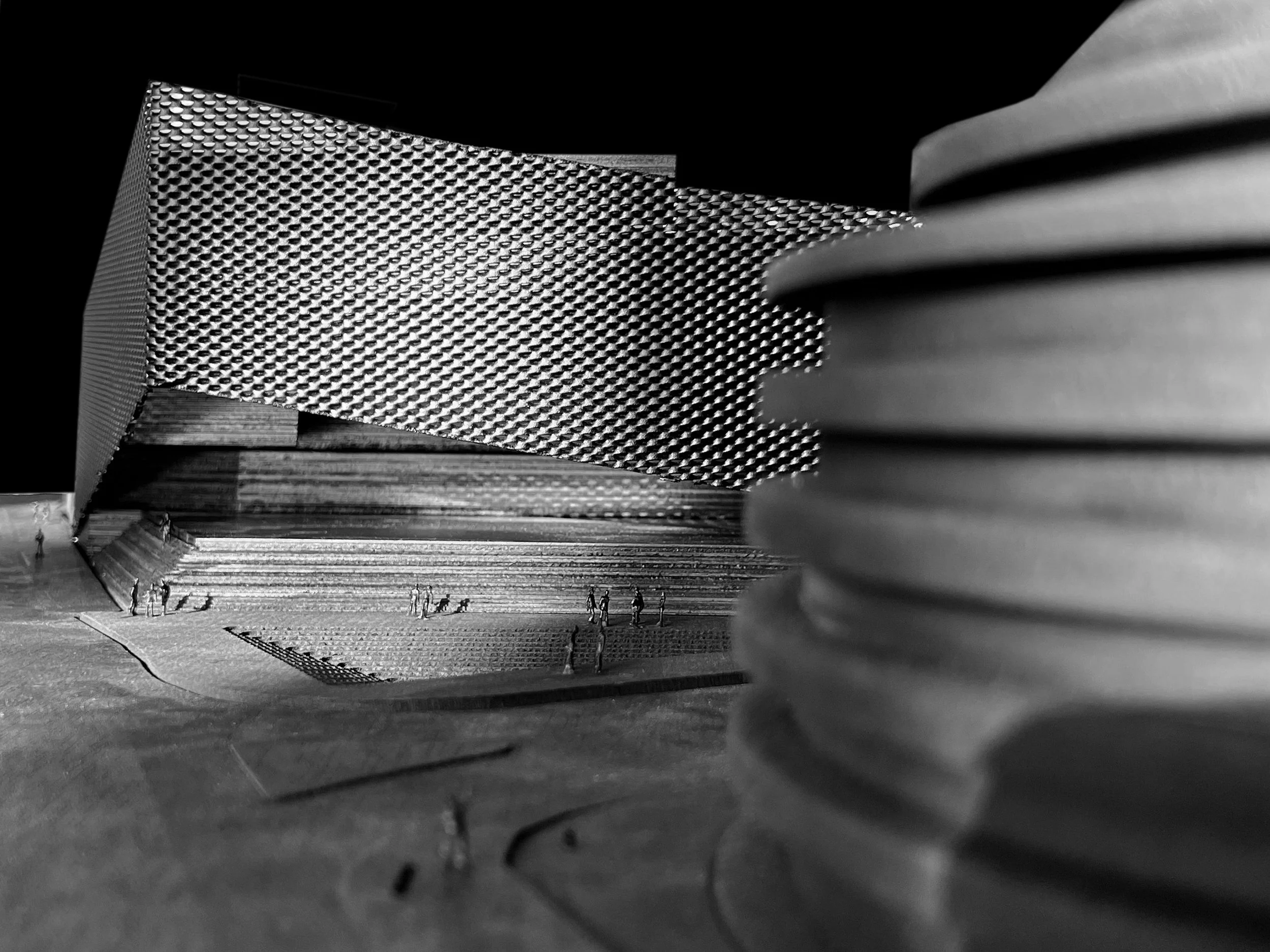
The building form lifts to allow public access into the central landscape, positioning the rainforest as both civic gesture and internal anchor. Developed in collaboration with Oculus, the landscape draws directly from Tasmanian ecologies, incorporating rocky escarpments, eucalyptus planting and native undergrowth. Wallabies move through the terrain, reinforcing the project’s ambition to blur the boundary between constructed environment and living system.
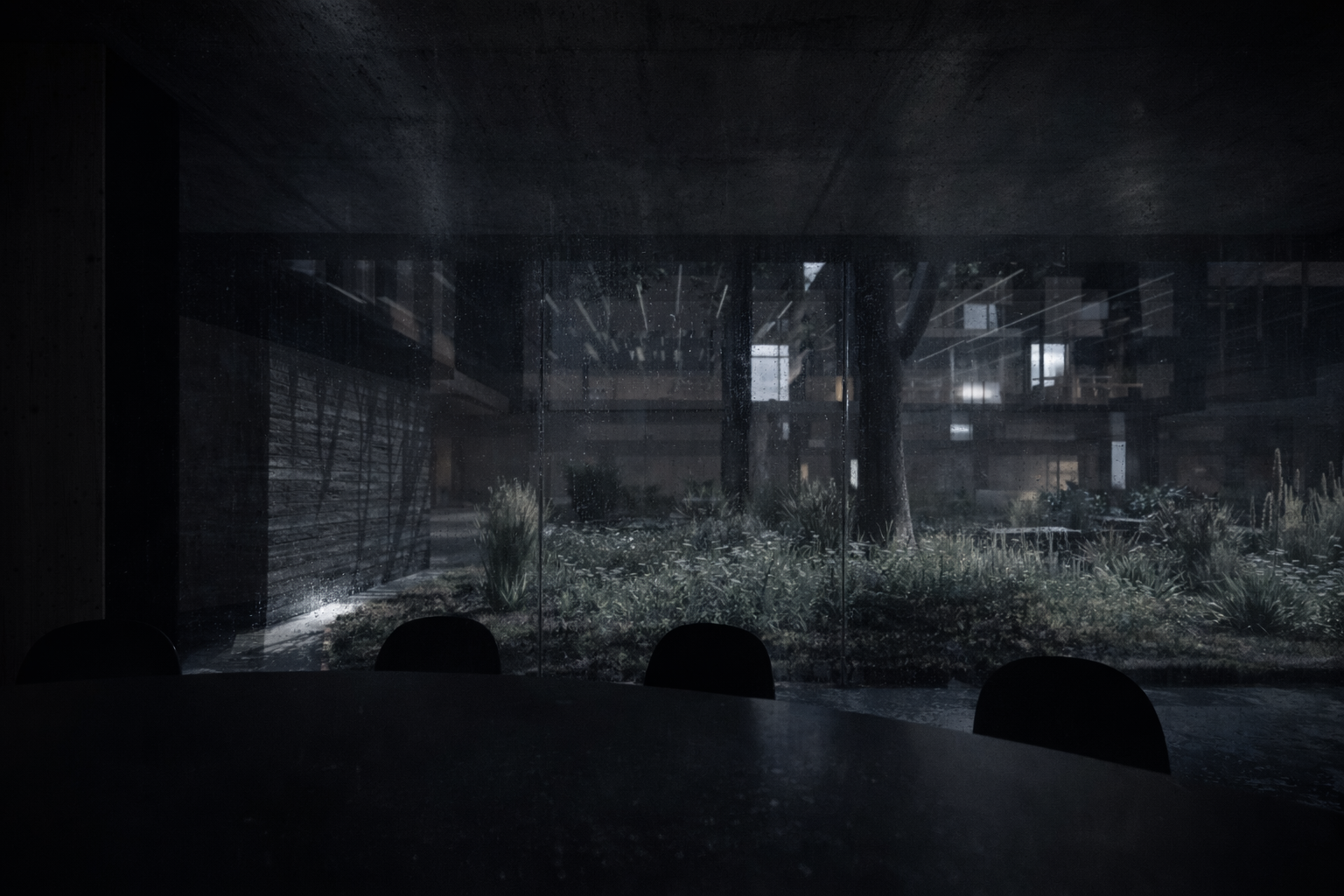
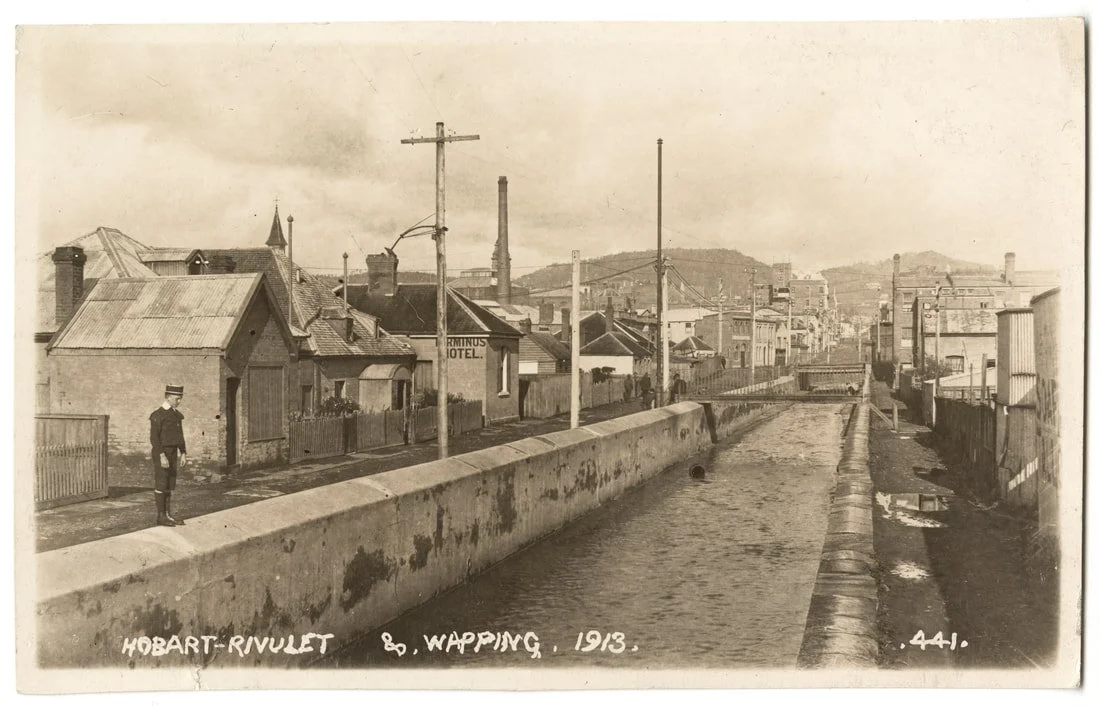
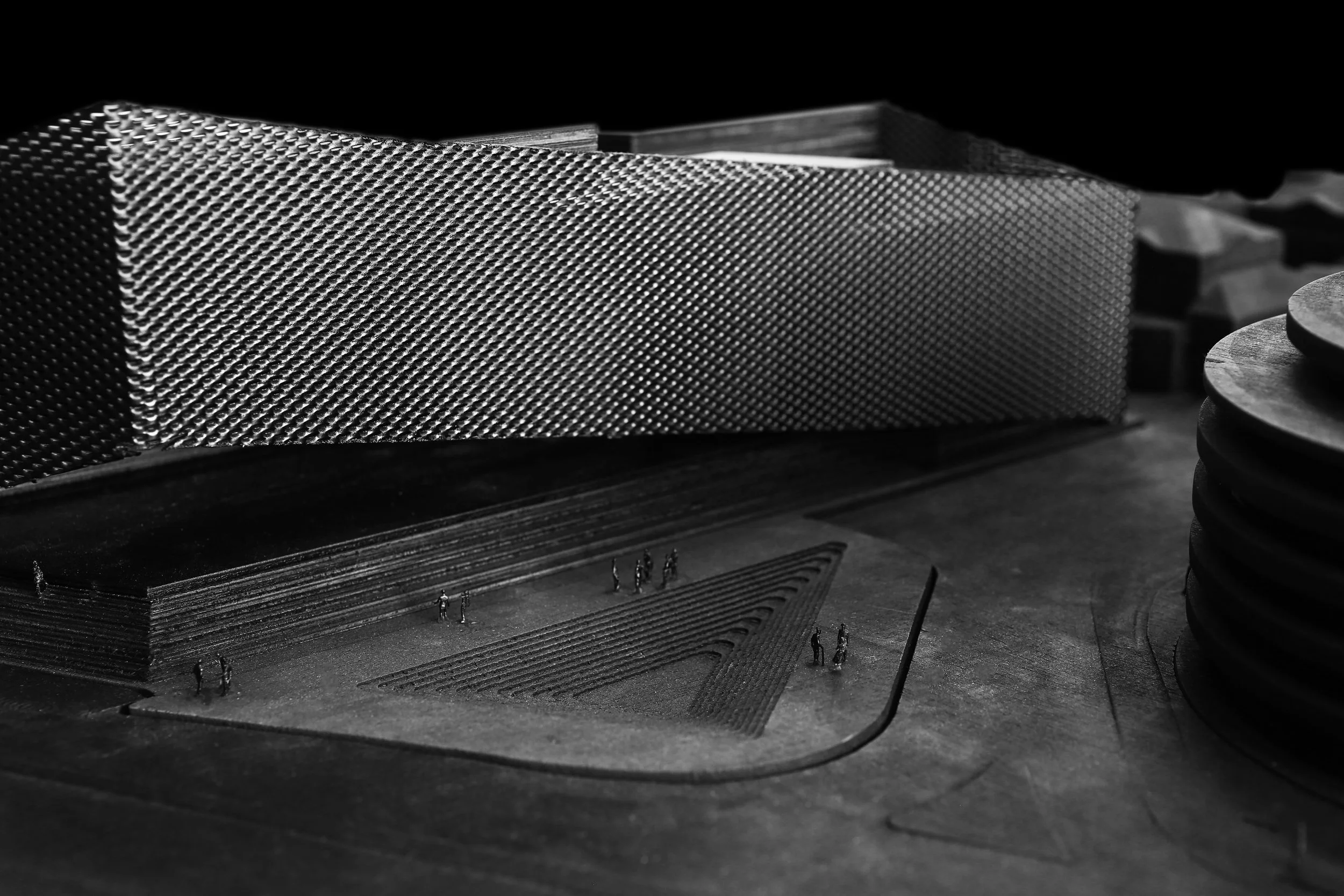
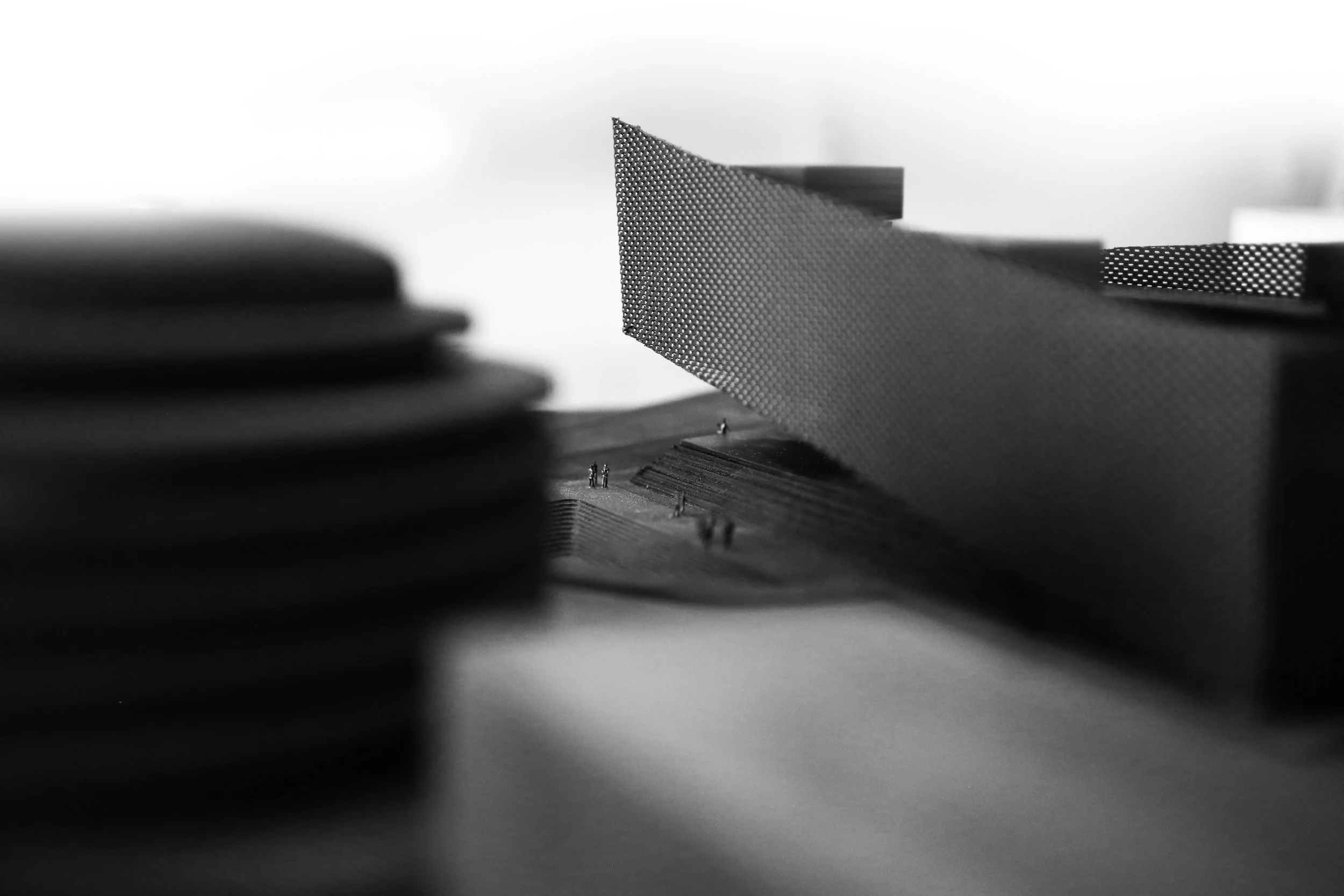
Out the front of the building, the Hobart Rivulet was discovered and revealed, concealed beneath Collins Street yet still flowing below. The proposal extends to the re-landscaping of the forecourt, forming a triangular stepped well that intermittently floods during rainfall, referencing the Disappearing Tarn in Kunanyi that comes and goes.
Rather than separating nature and workplace, the project embeds them within one another, creating a highly atmospheric and performative interior that is both distinctly local and globally connected.
-
WORKPLACE
-
CONCEPT
-
MUWININA COUNTRY (PALAWA COUNTRY) | HOBART, TASMANIA
-
LANDSCAPE | OCULUS
STRUCTURAL ENGINEER | ALDANMARK