
SAMSUNG
2015
‘Not a store, a system for many stores.’
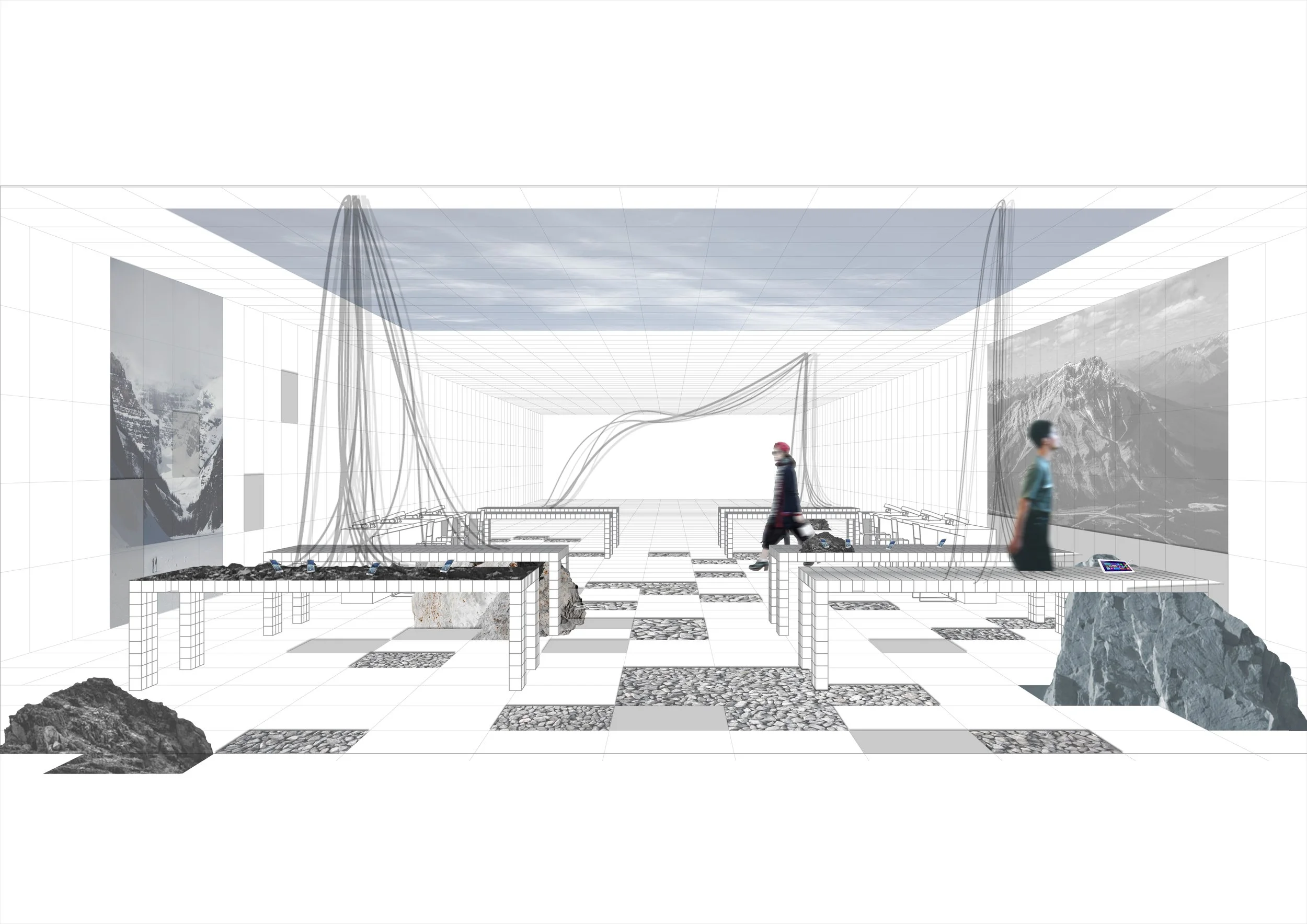
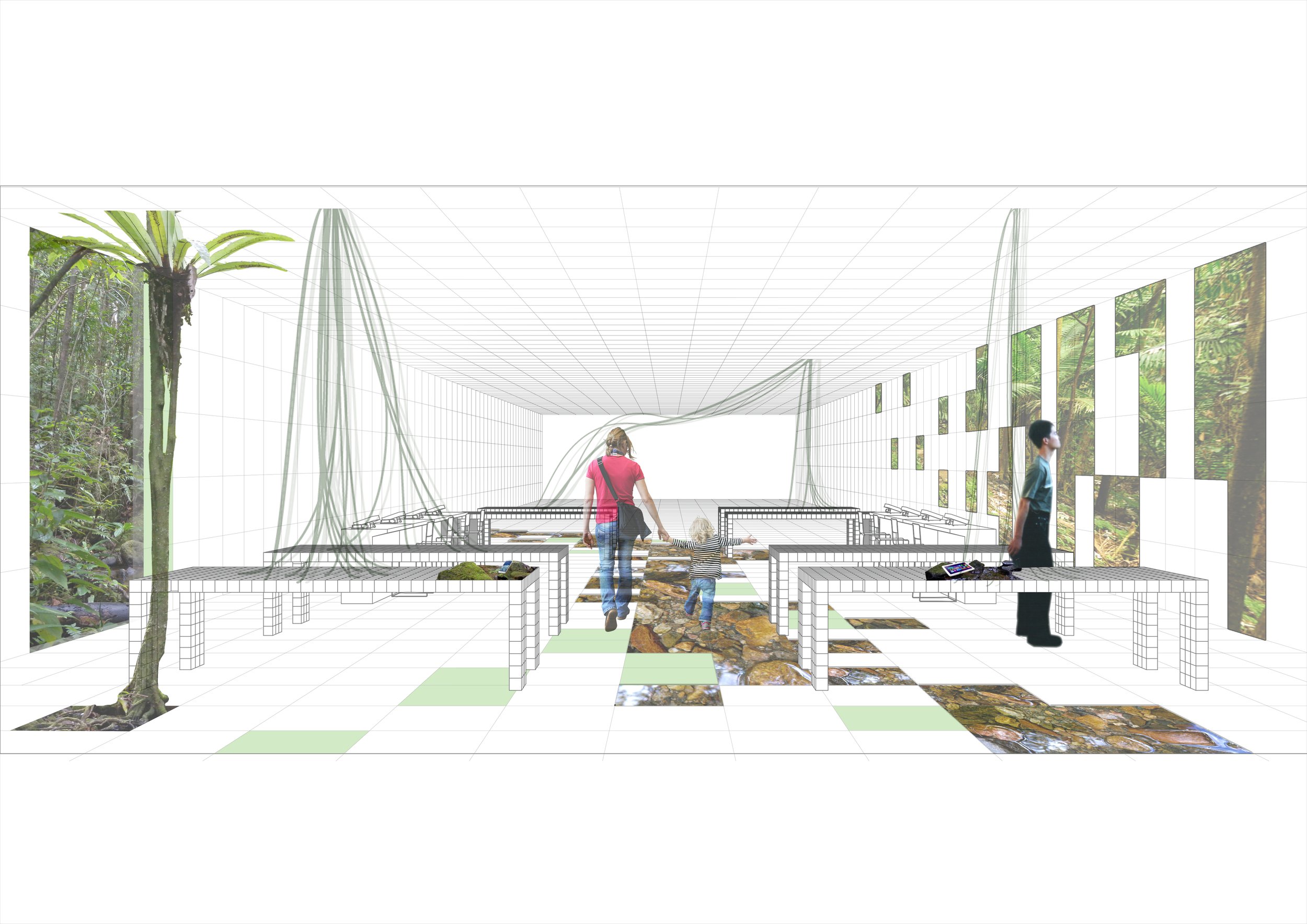
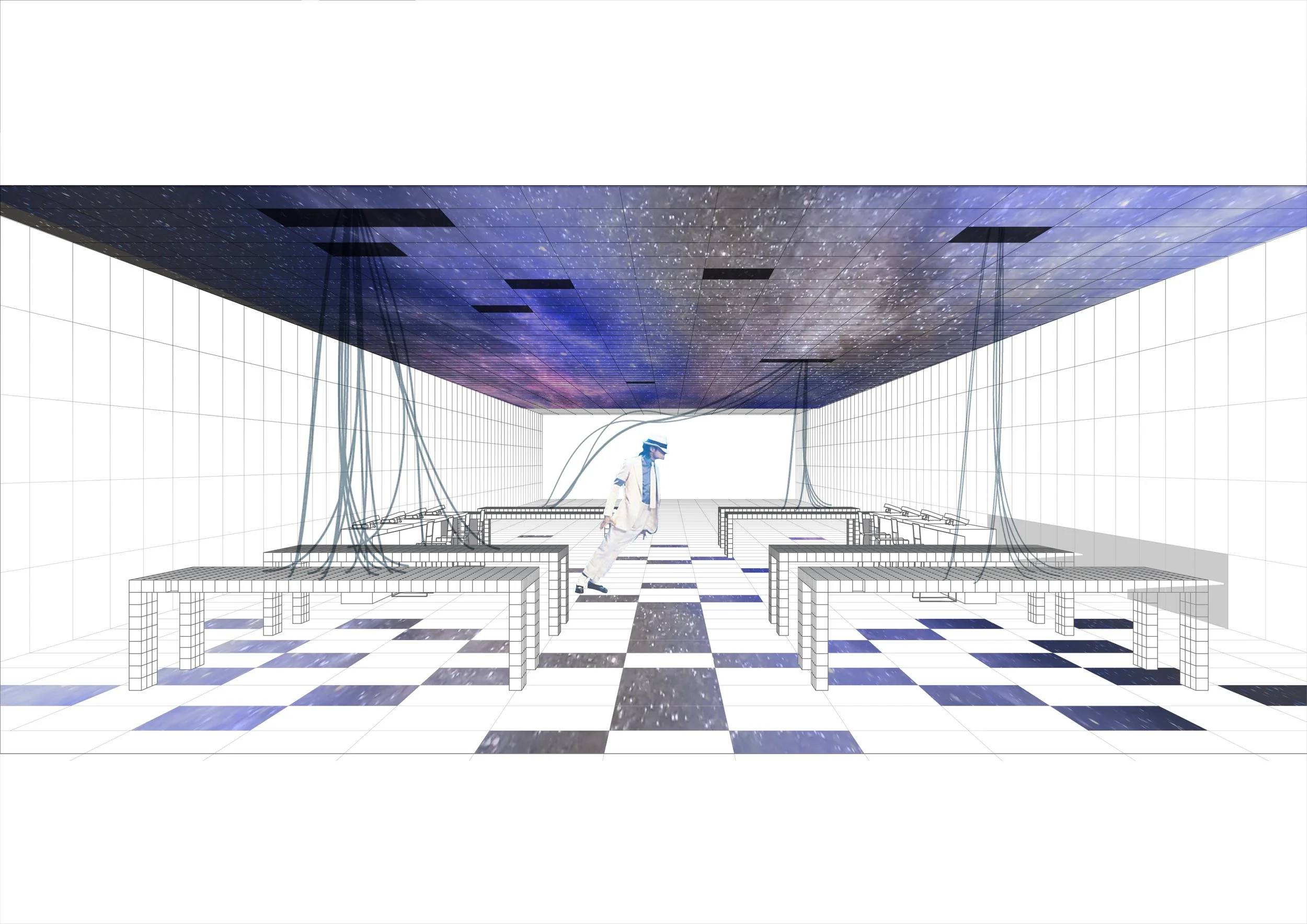
This project was as much an investigation into the future of retail rollout as it was the design of a prototype store.
Samsung, one of the world’s largest manufacturers of mobile phones, approached March Studio at a time when the practice was actively rethinking the retail environment.
There was no site.
The brief was to design something specifically non-specific.
To create identity in places without identity.
To distinguish the brand from its competitors.
To bring a highly technological company back to first principles.
What is Samsung?
Central to this process was a think tank approach. March Studio undertook an intensive ten-day residency at Samsung’s headquarters in Seoul, structured around a series of discussions, workshops, and internal reviews.
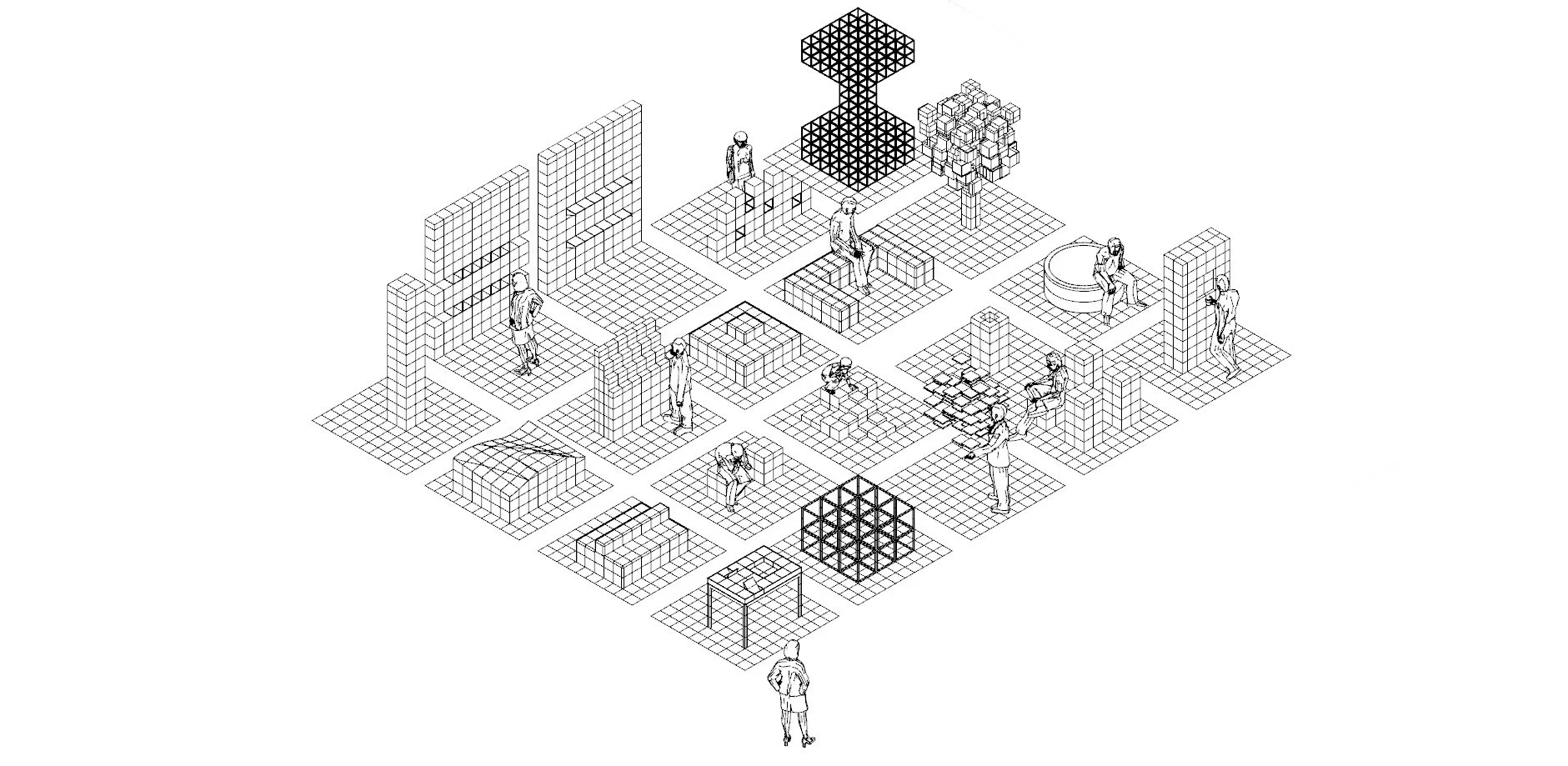
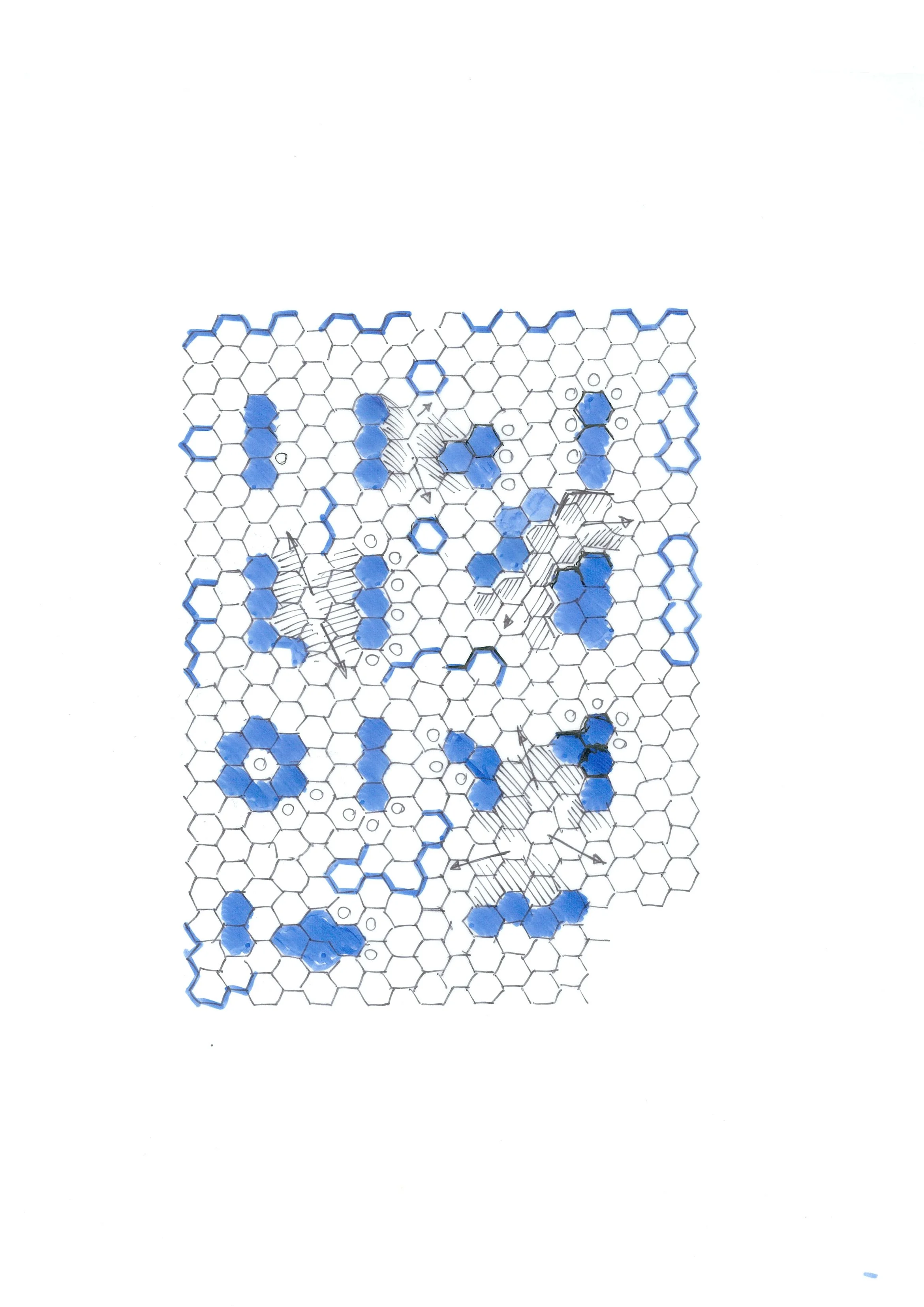
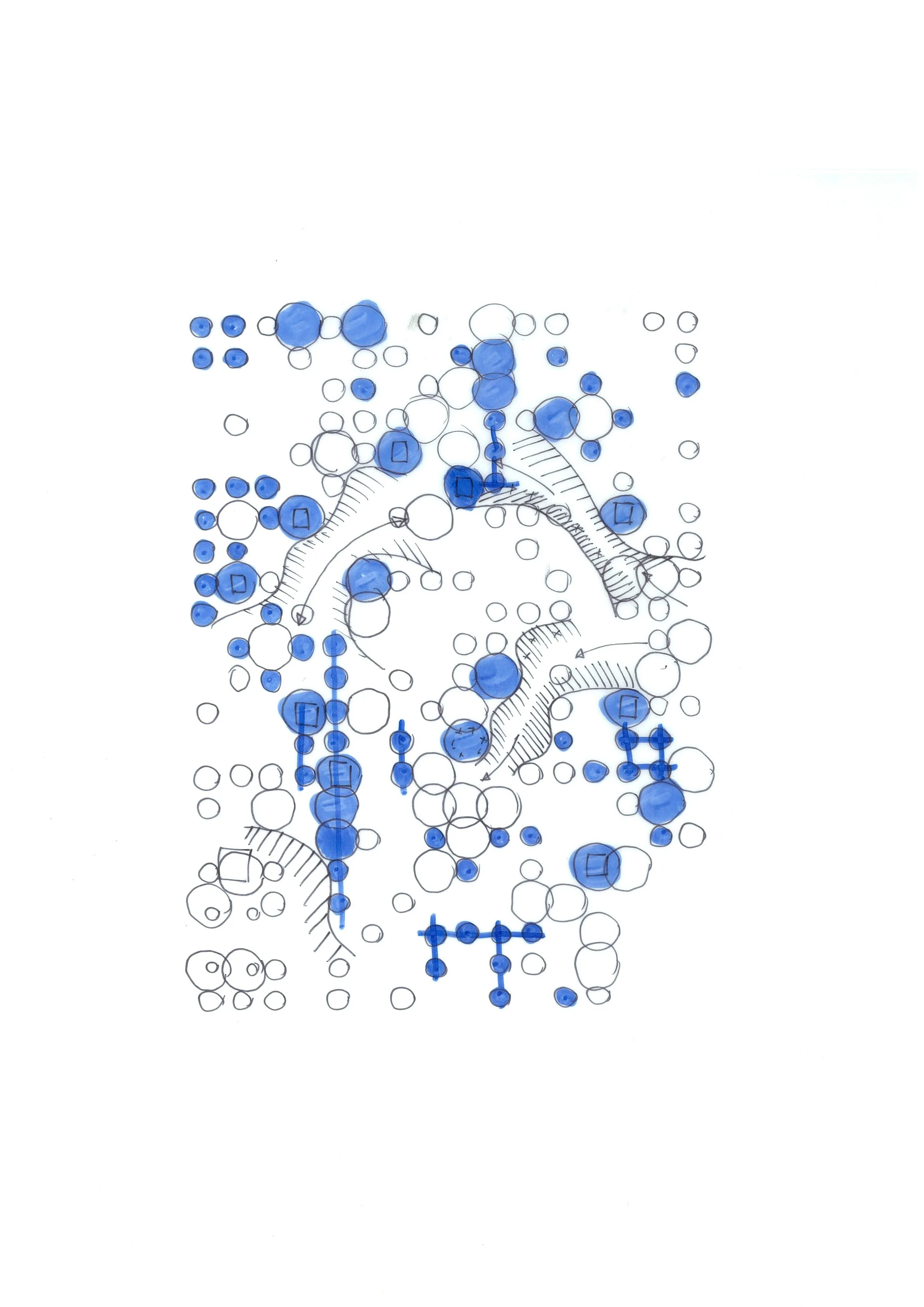
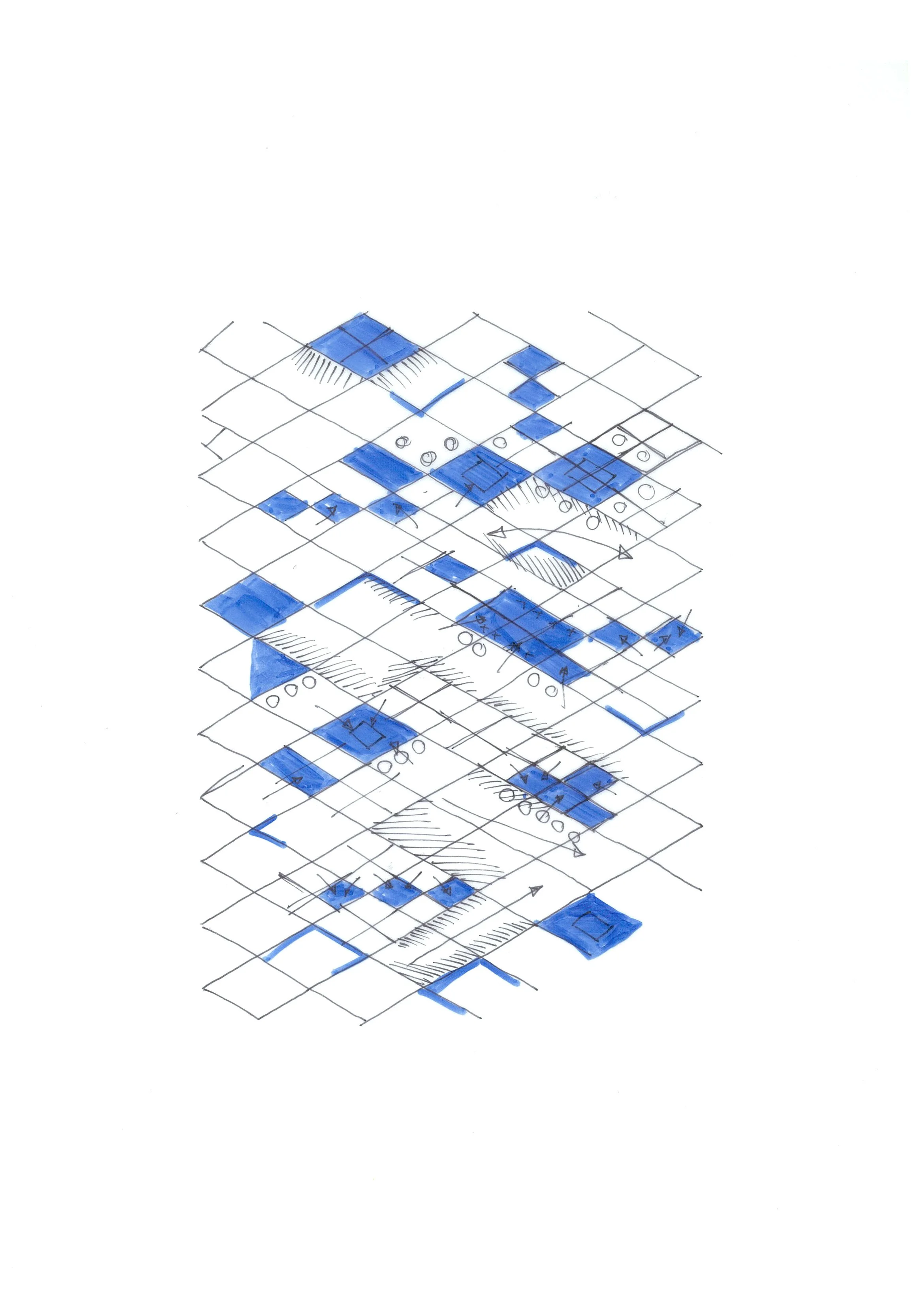
The aim was to understand what defines Samsung as a company, where it is heading, and how it might meaningfully differentiate itself from competitors such as Apple.
The ambition was not to design a store, but to design a system.
A set of rules that could guide many stores.
An architectural framework rather than a fixed outcome.
A realignment of identity through space.
The process began by mapping the company’s history, from its origins in the period following World War II as a small trading business, through sugar refining and textiles, to its expansion into electronics in the 1960s, televisions, early computing in the 1980s, and mobile and microchip technologies in the 1990s. Alongside this, we tracked the evolution of the mobile phone itself, from a diversity of forms toward increasing uniformity.
A distinction emerged.
Apple as myth, closed and symbolic.
Samsung as system, open and expansive.
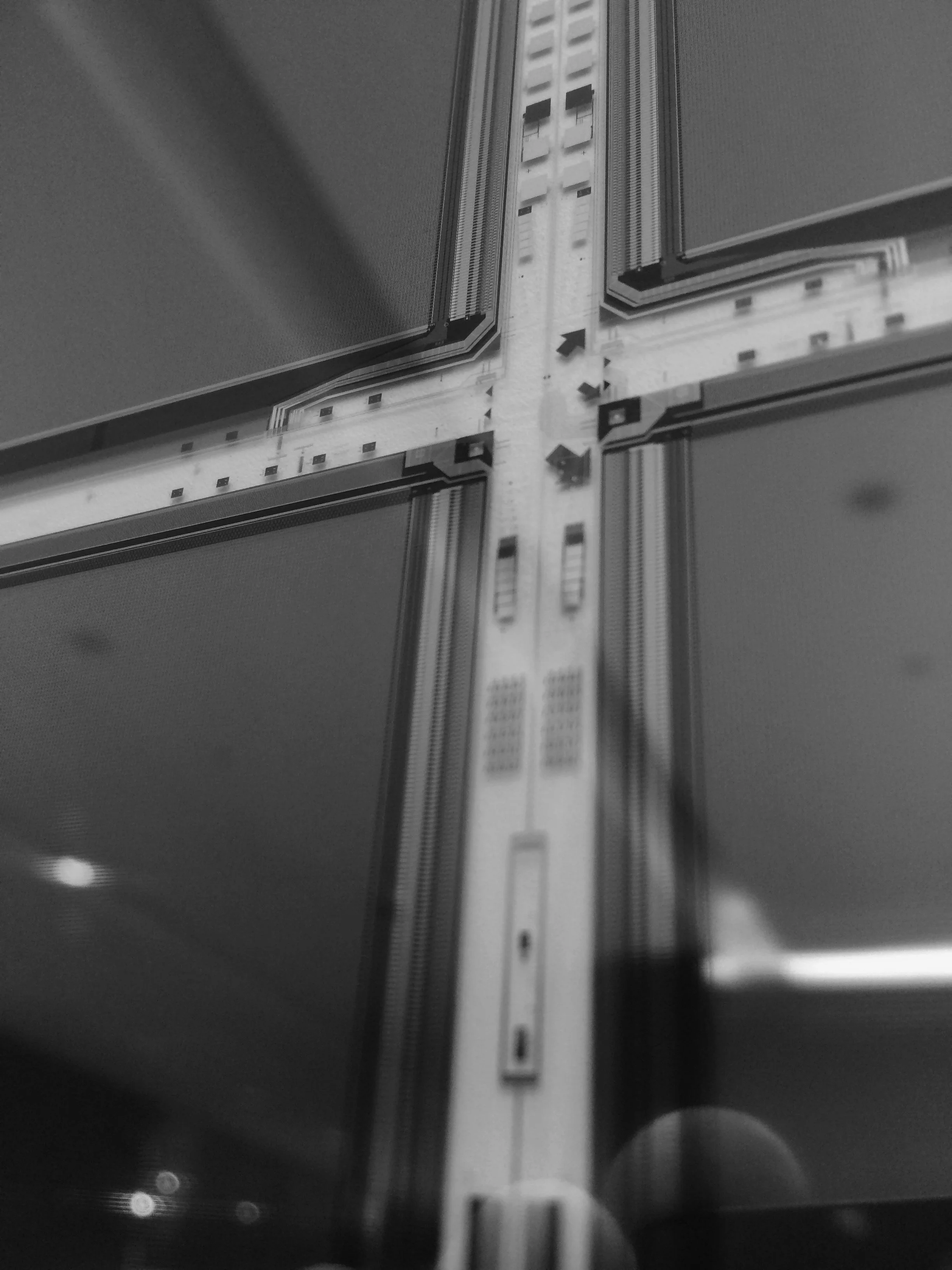
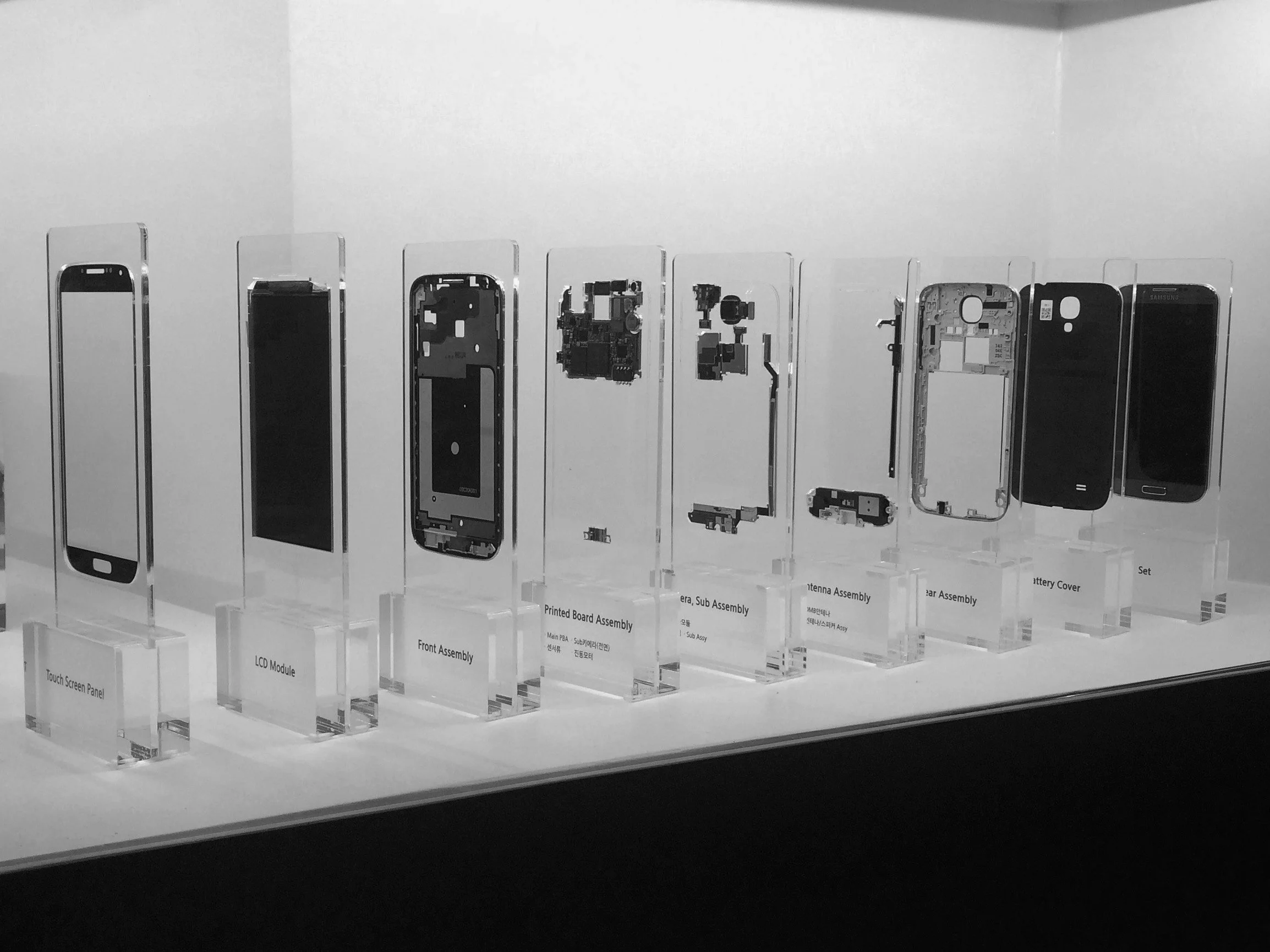
From this, the project turned toward science and systems, without excluding nature. A modular grid and kit-of-parts logic was developed as the basis for all spatial decisions.
The store was conceived as an entirely reconfigurable environment.
Walls, floors, and ceilings formed from screens.
A space without a fixed image.
Any interior could be constructed and reconstructed in real time, a meadow in the south of France, a glacier in New Zealand, a desert in Australia. By cataloguing and archiving these environments, the store would never appear the same twice.
The user, as much as the brand, could control the space.
An architecture defined not by form, but by its capacity to change.
With Farzin Lotfi-Jam.
-
RETAIL
-
GLOBAL