
RMIT ARCHITECTURE SCHOOL
2016
‘A system that can be removed, reconfigured, or repeated.’
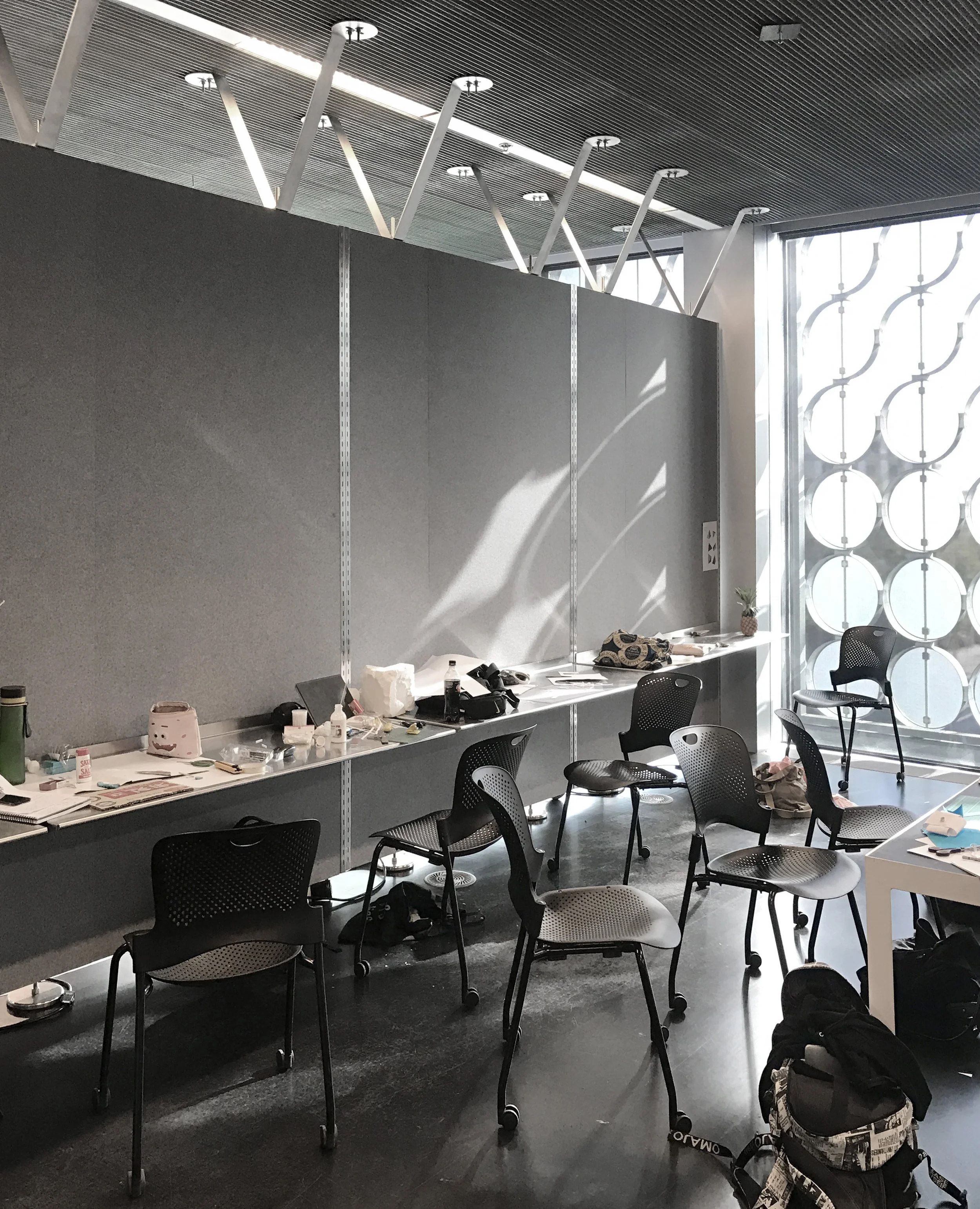
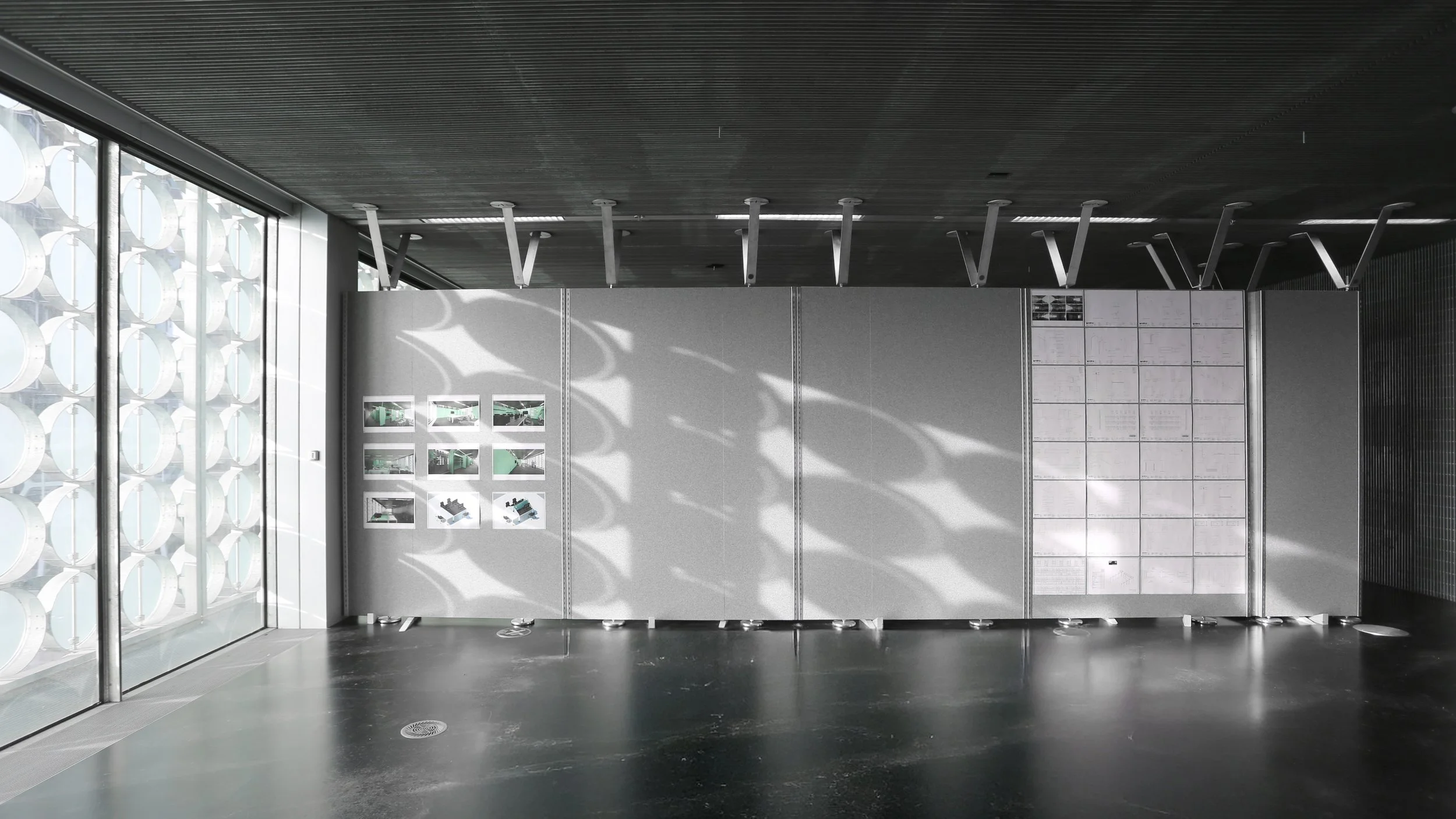
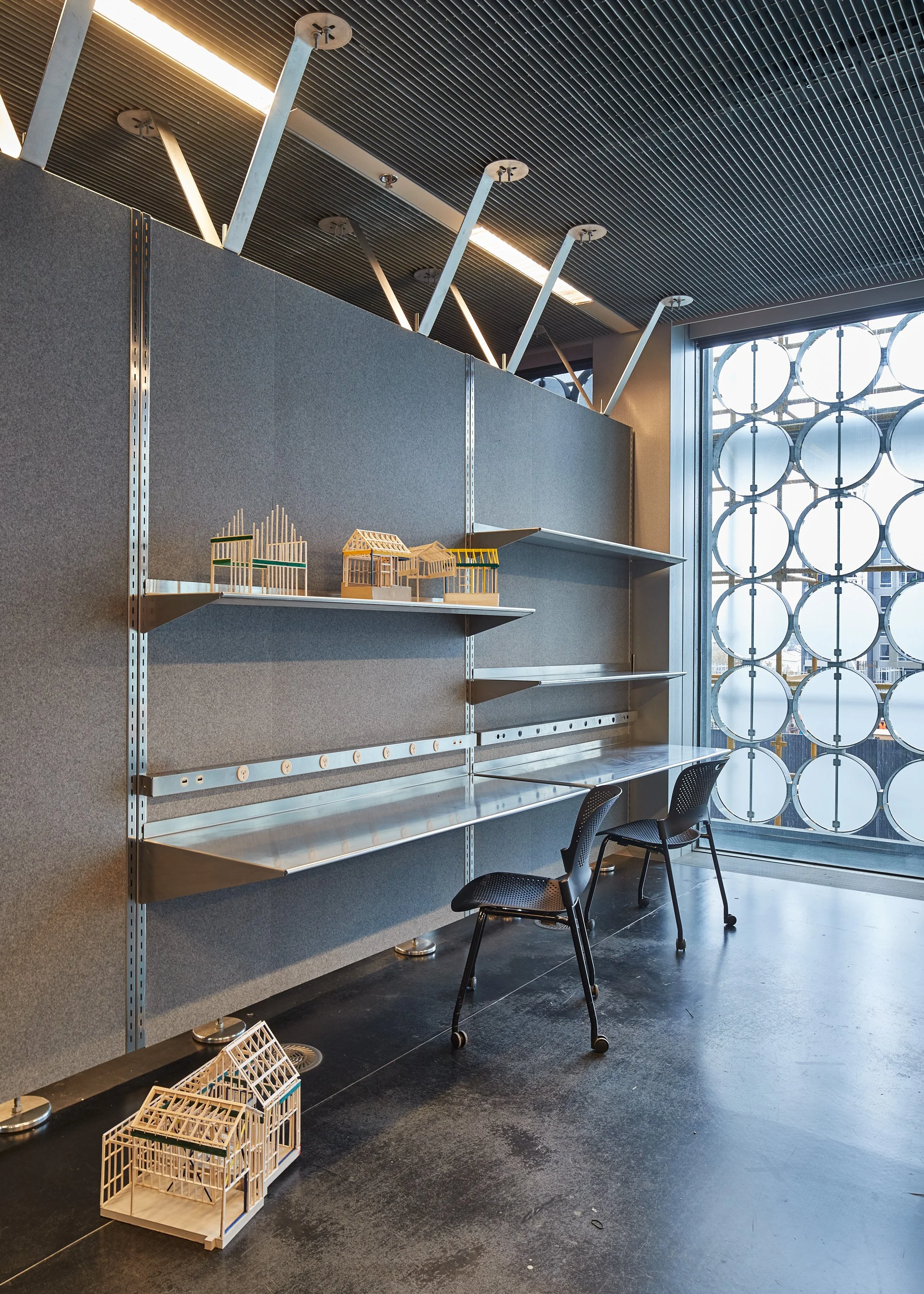
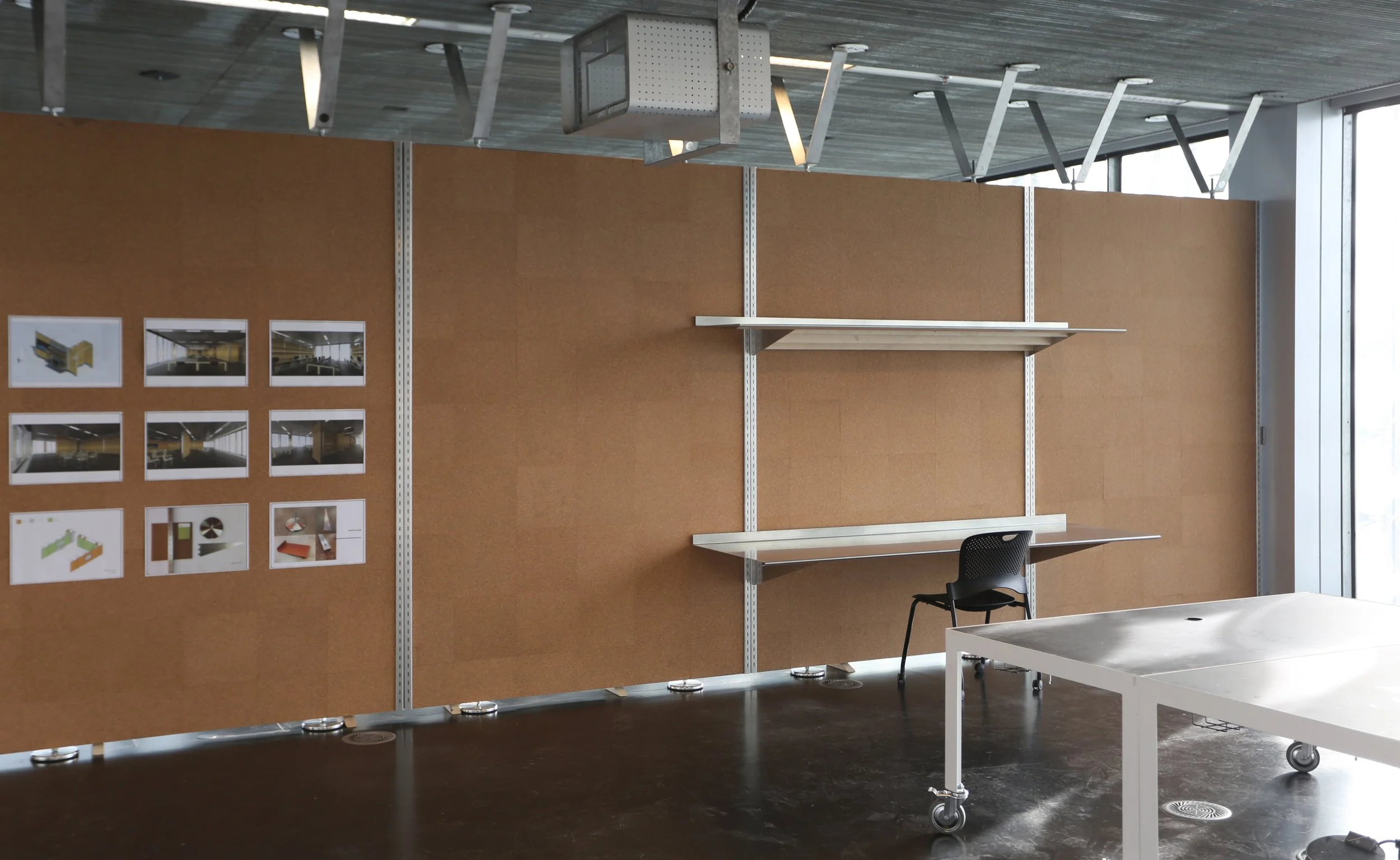
RMIT Building 100, designed by Sean Godsell, is a building of precise intent. Originally conceived as a research facility, its clarity and discipline have been recognised through a number of significant awards, including the Victorian Architecture Medal.
The upper floors of the building are organised as two distinct halves, a warehouse and a gallery. This distinction established both a spatial and conceptual framework for its use.
Over time, the building’s capacity to support broader forms of inquiry became evident. RMIT elected to extend its use, relocating the Architecture and Landscape Architecture programs into the warehouse side of the building, working within the terms already set by its original designation.
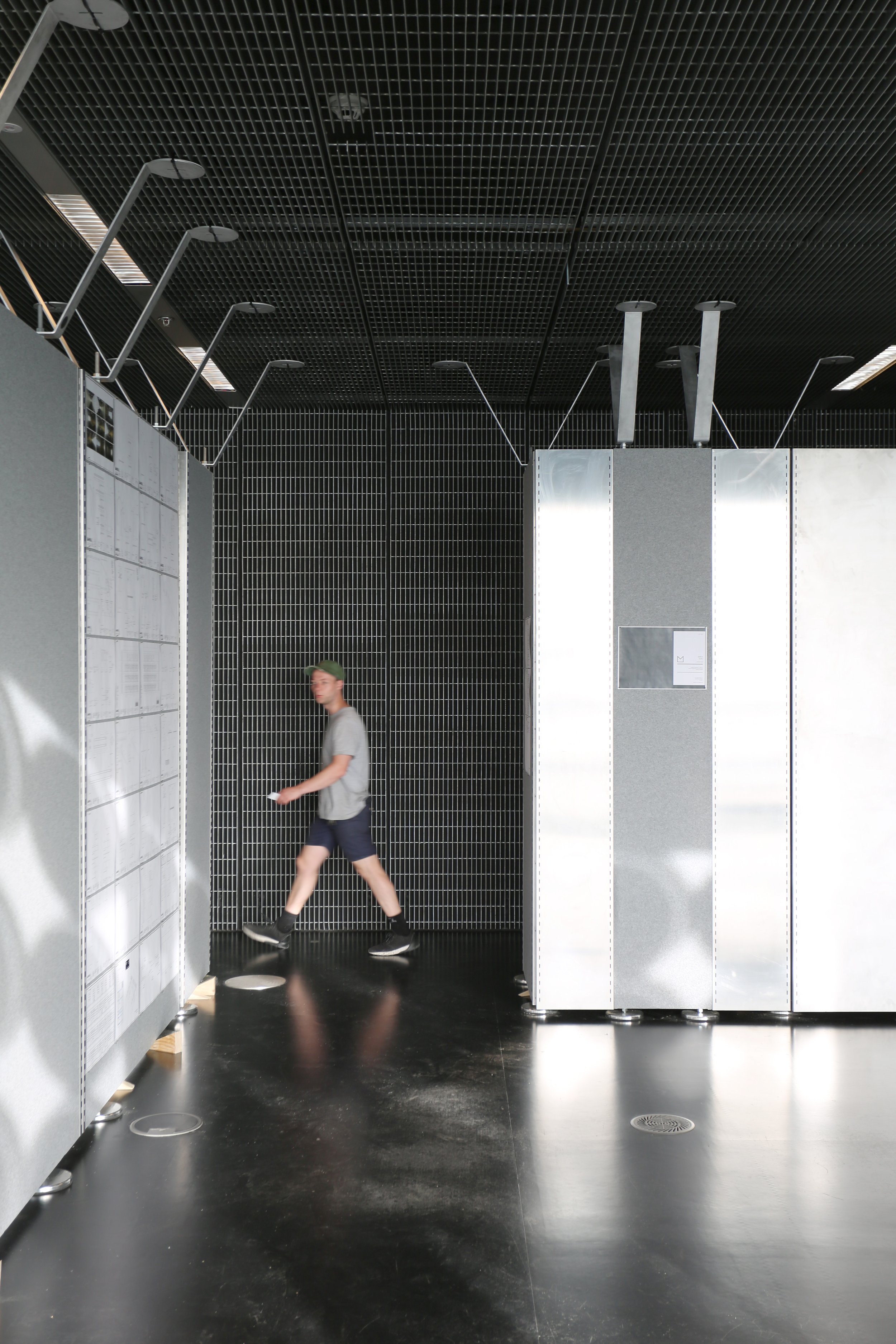
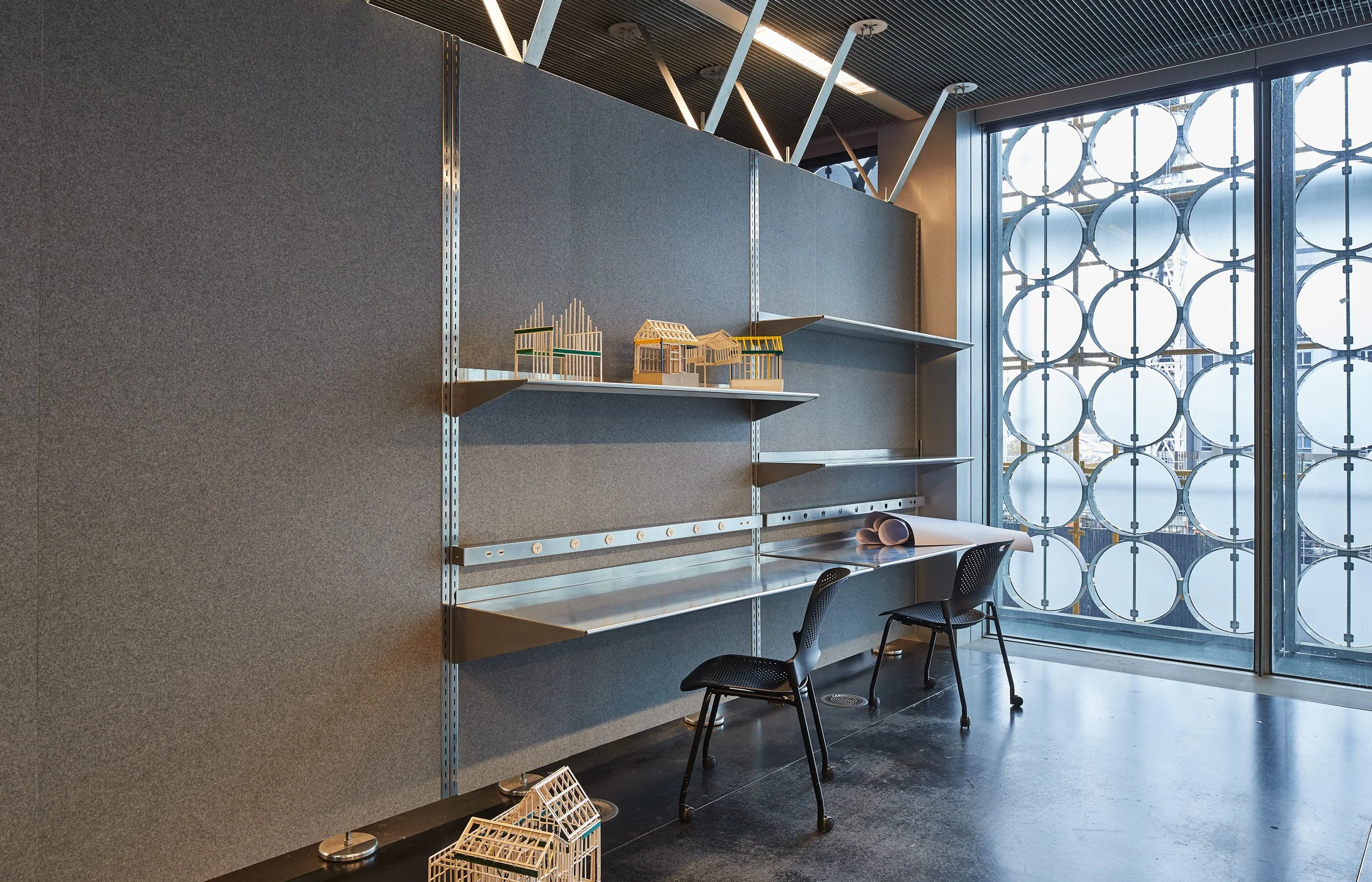
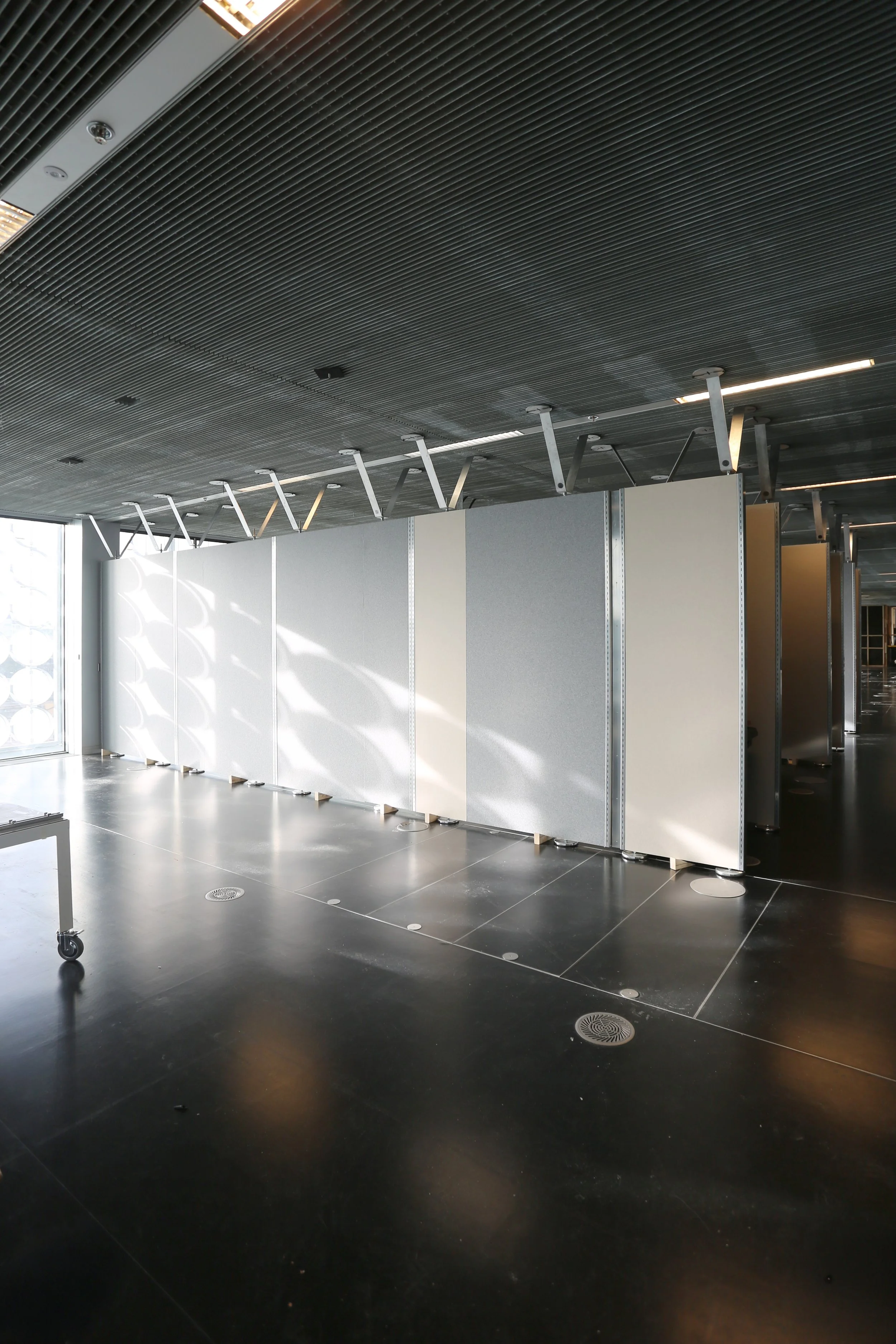
March Studio, alongside Bright Studio and Searle x Waldron Architecture, was engaged as part of this transition. Bright Studio developed the academic offices, Searle x Waldron designed the workshop and entrance ramp, while March Studio was responsible for the teaching and learning environments across Levels 4, 5, 6, and 7.
Our approach was to work with the building, not against it.
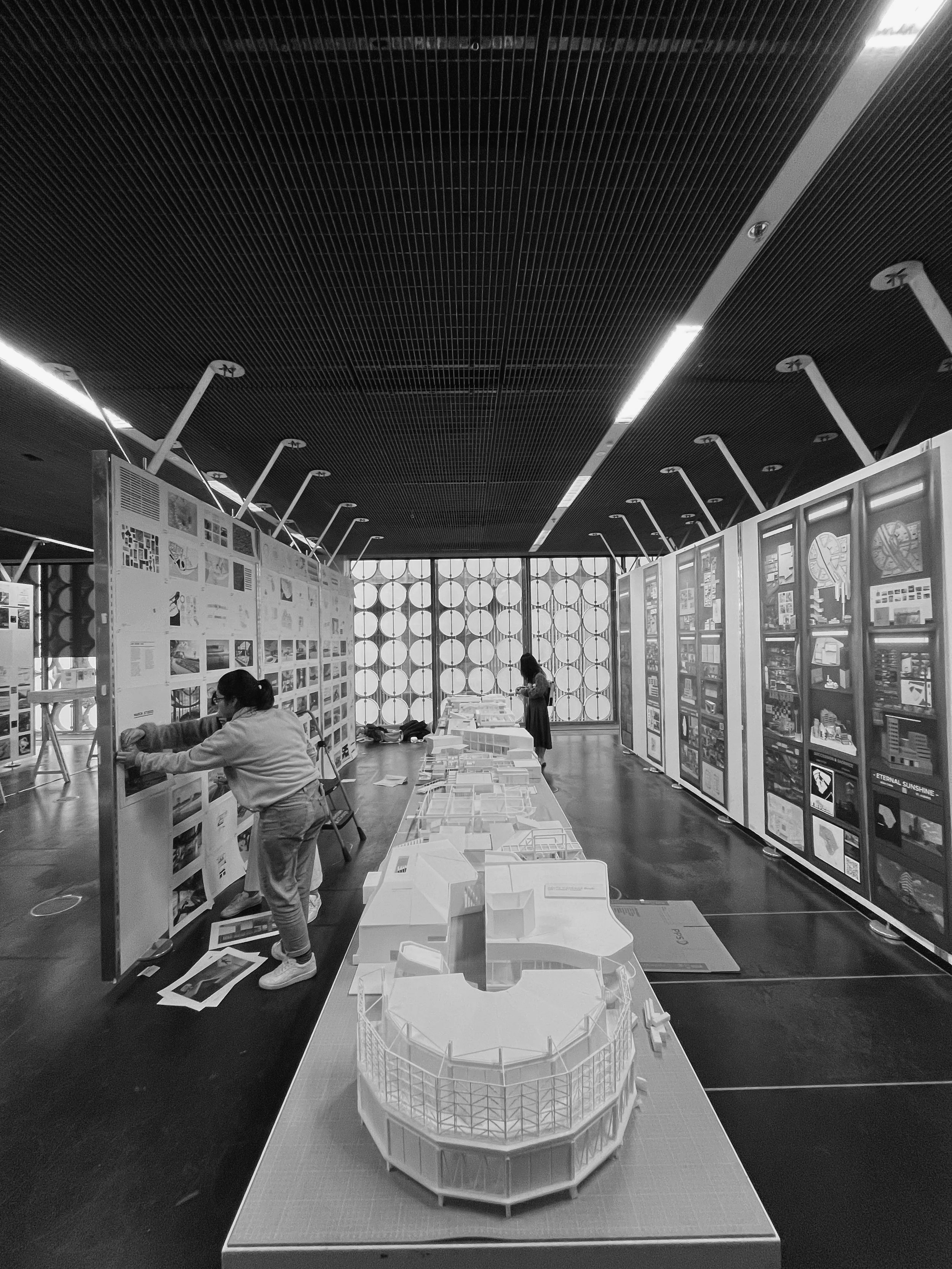
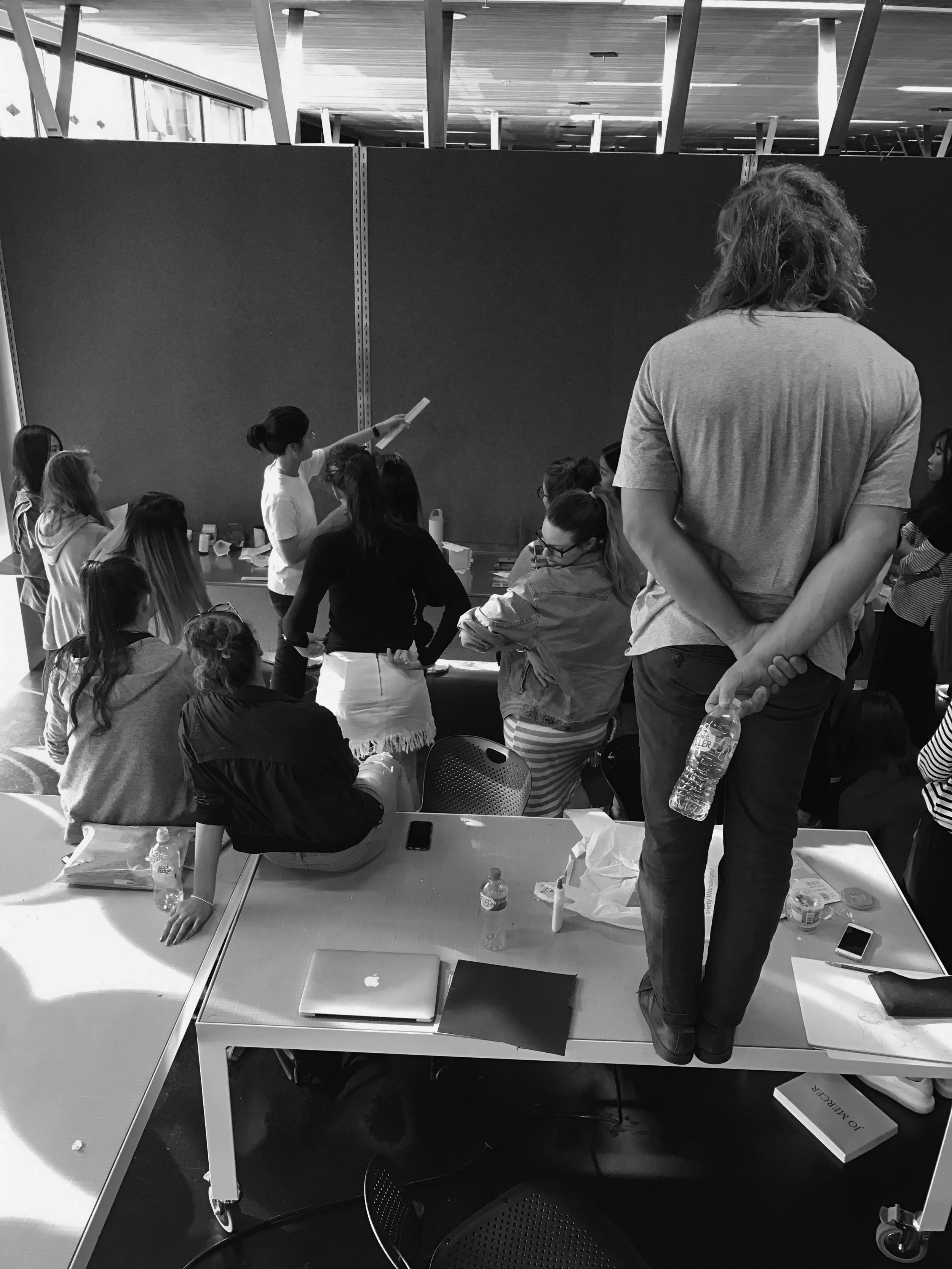
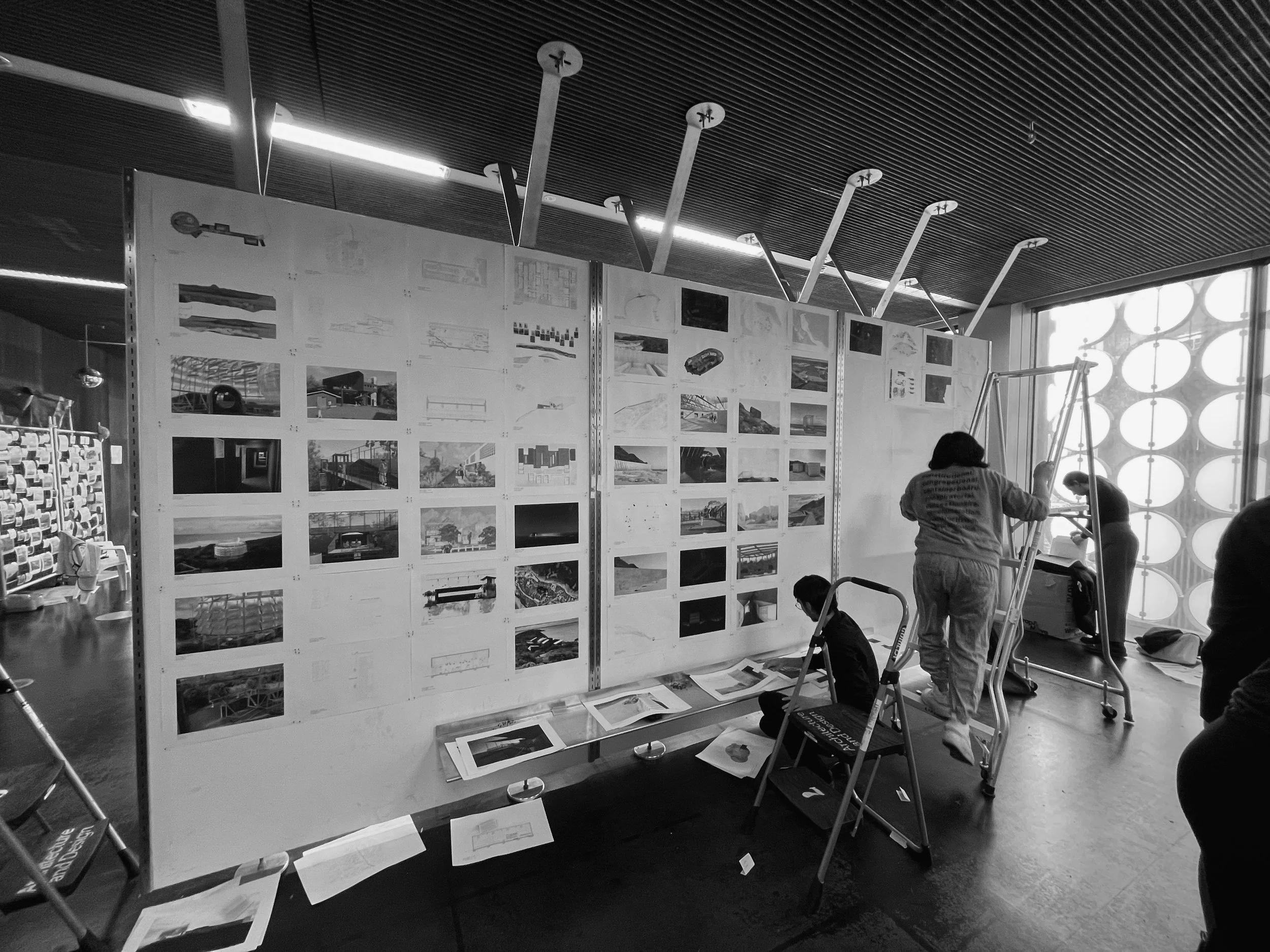
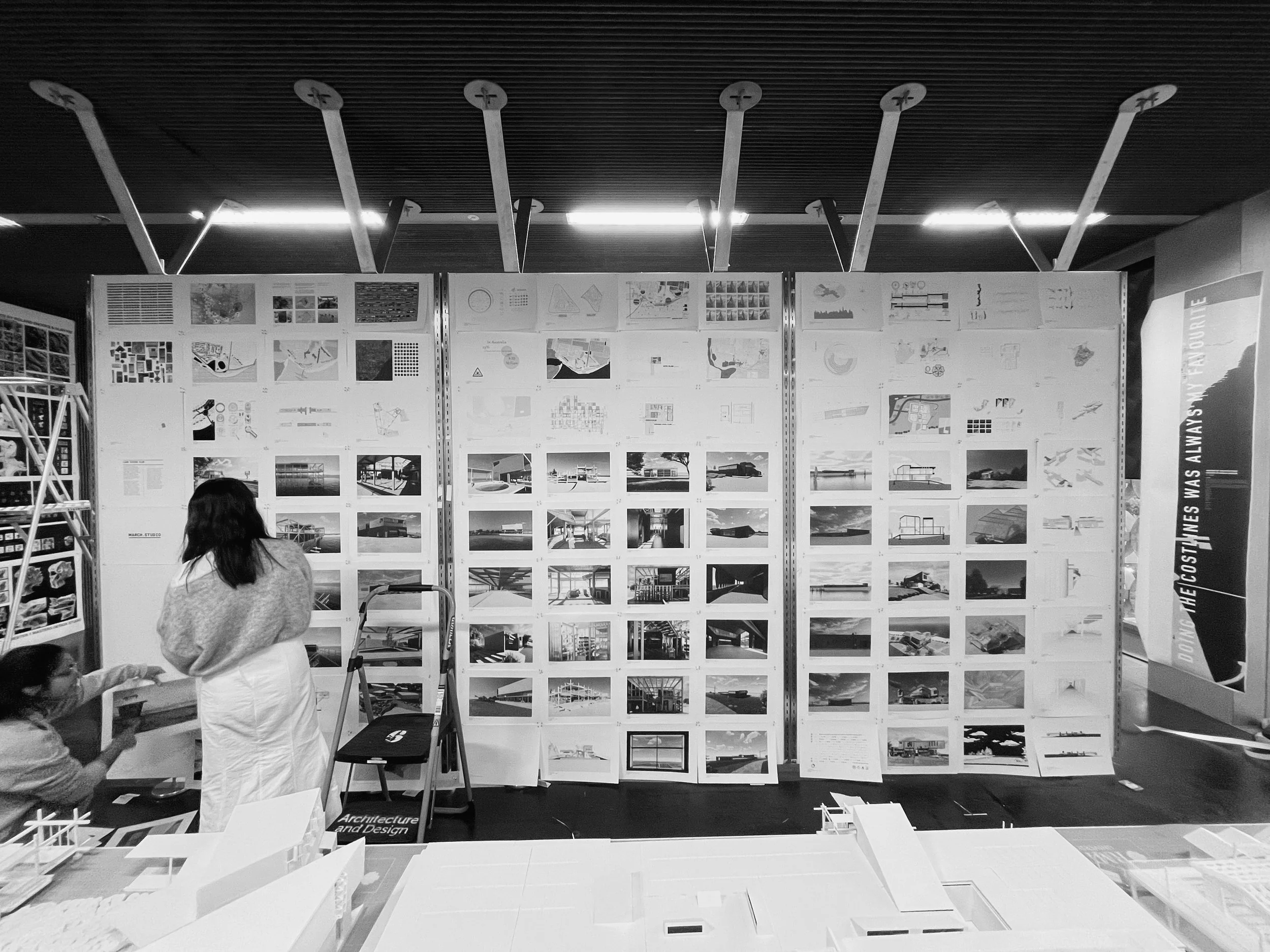
A lightweight, modular system was developed to subdivide the warehouse floors into a series of classrooms and studio spaces. Two principles guided the work, that the intervention could be entirely removed, returning the building to its original condition, and that the spaces could be continually reconfigured by the school, shifting between teaching, exhibition and review modes.
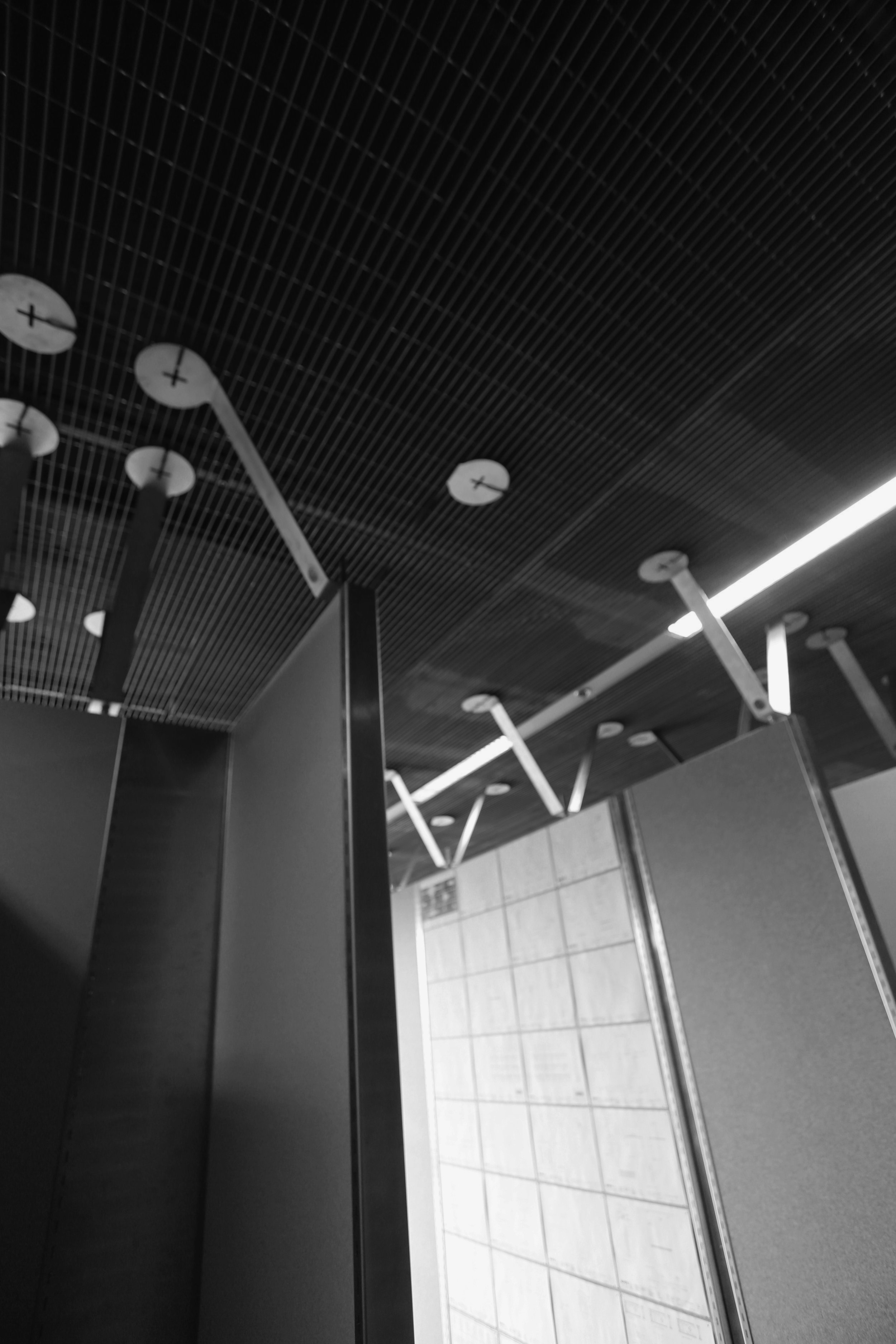
An inherent structural grid, central to the original building’s logic, was adopted as the organising system. Walls align precisely to this grid, allowing room sizes and proportions to emerge directly from it. The existing webforge ceiling, a defining element of the building, was used to support the system. Like a warehouse, elements are bolted on and off, no additional structure required.
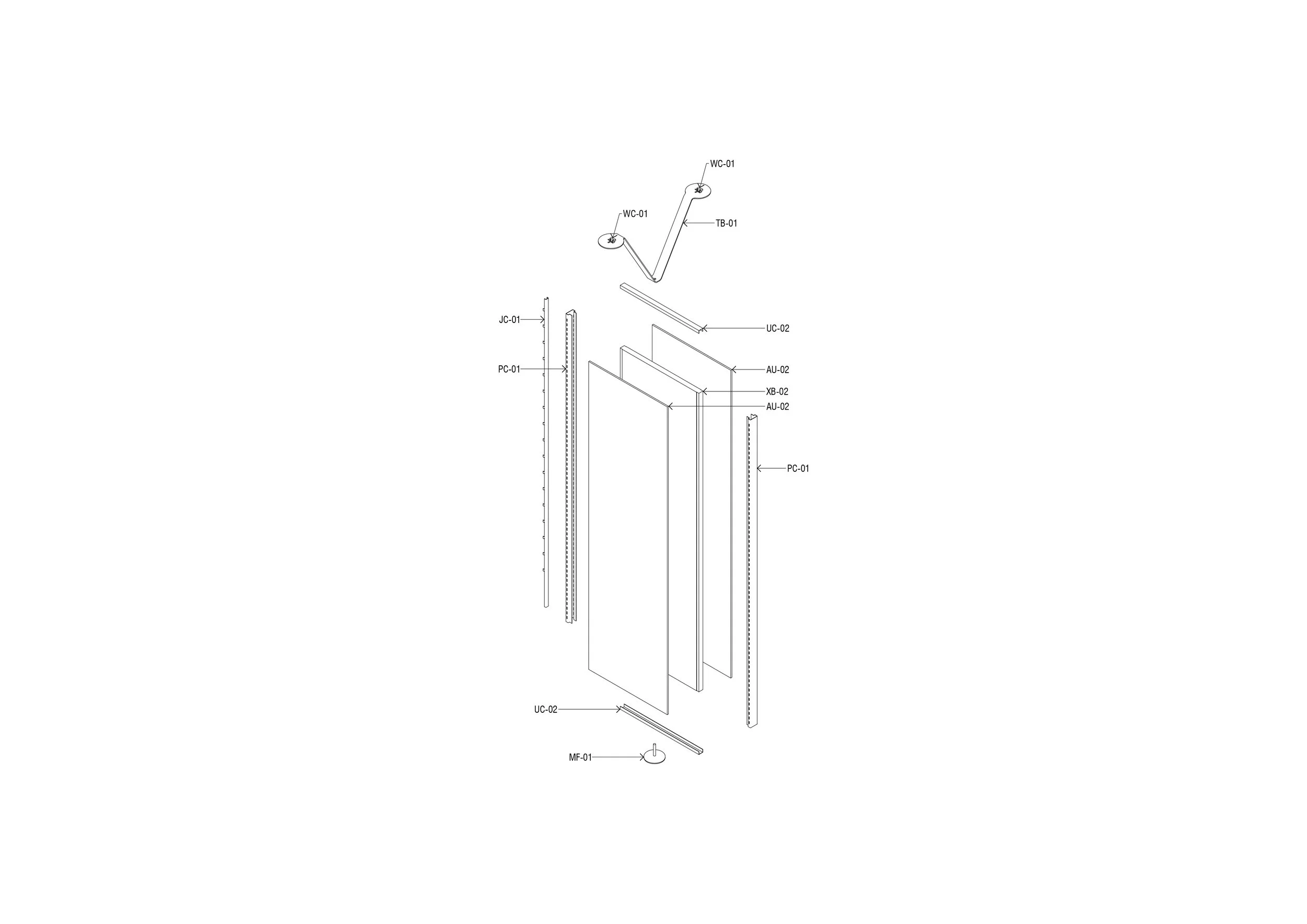
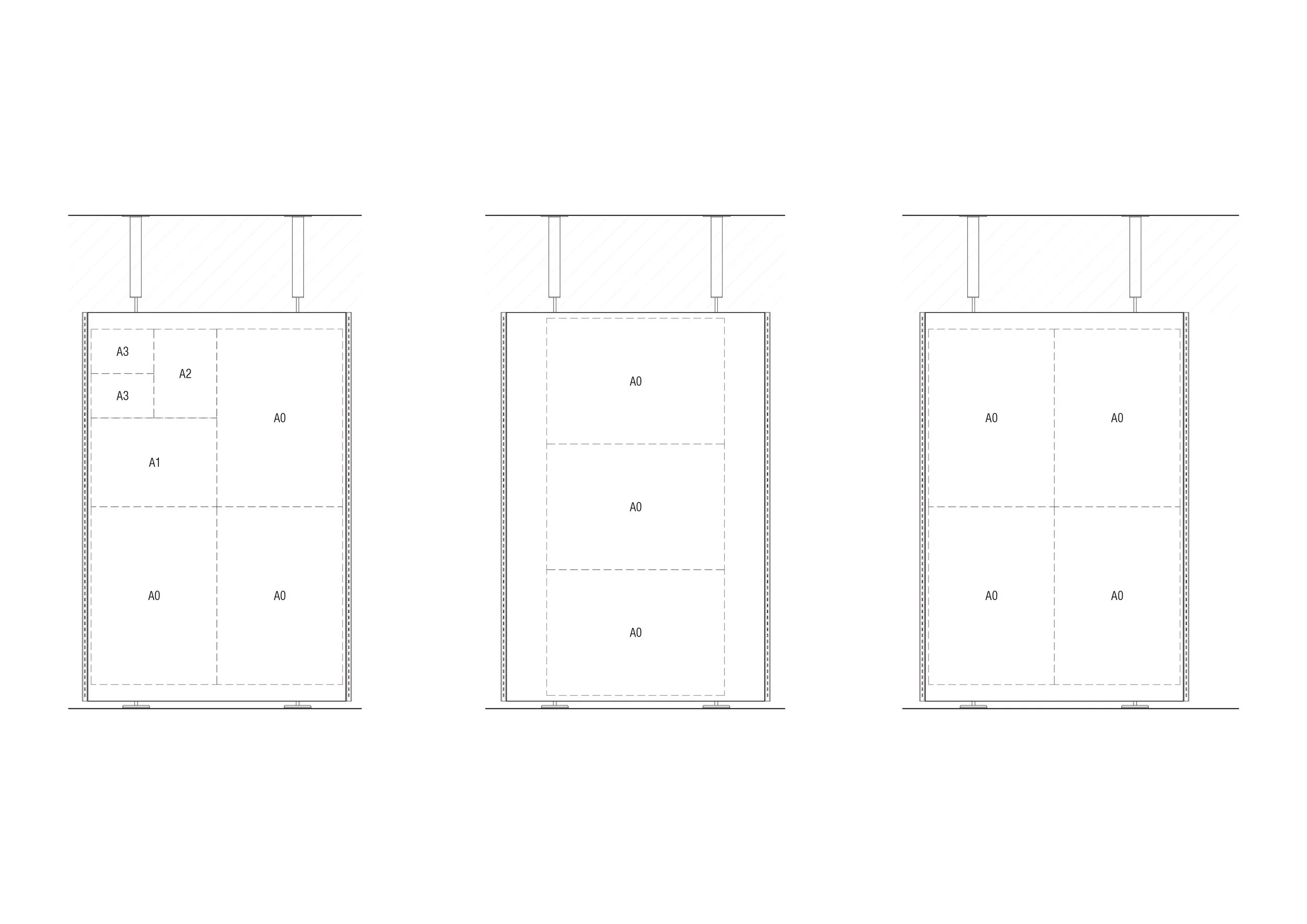
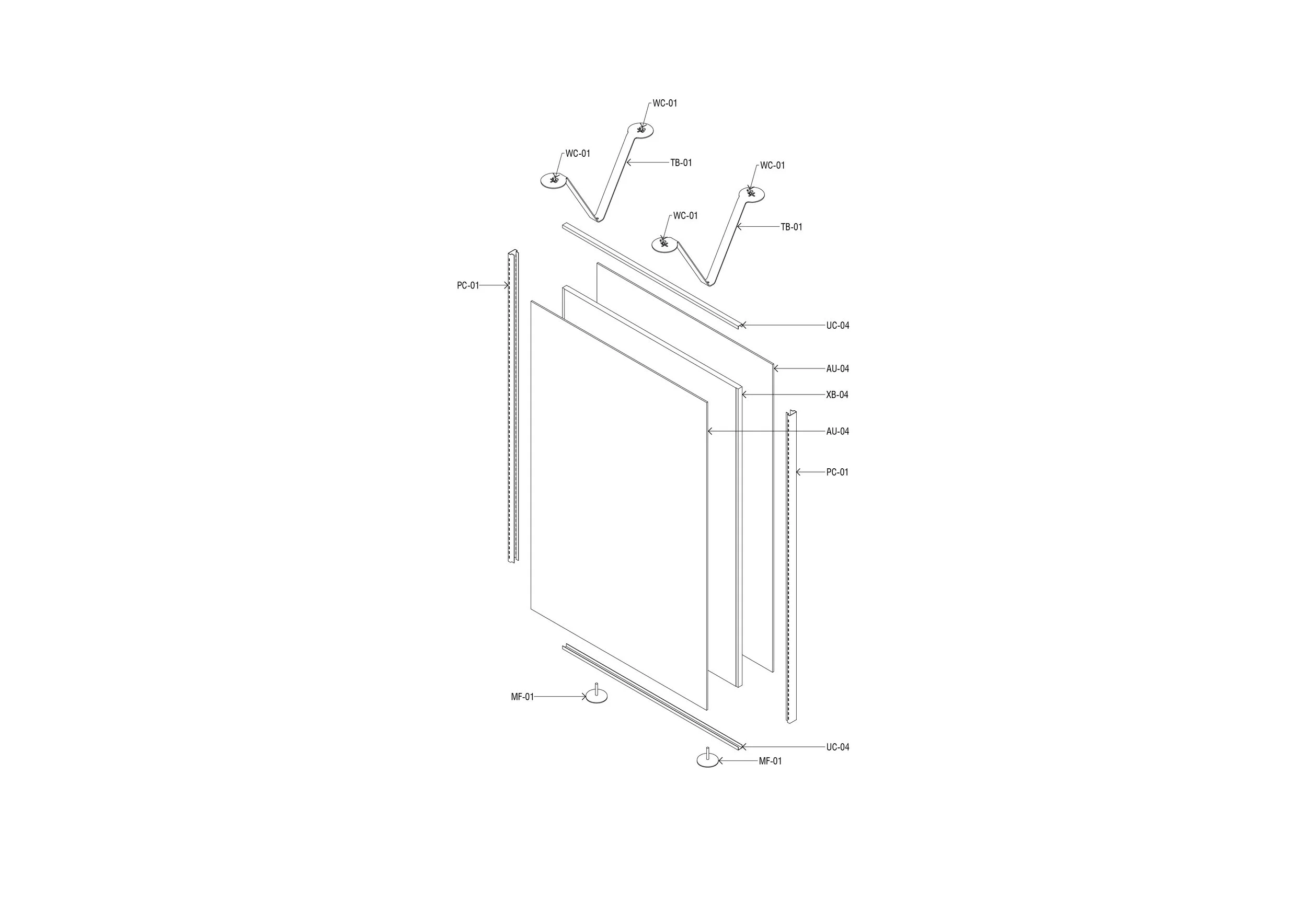


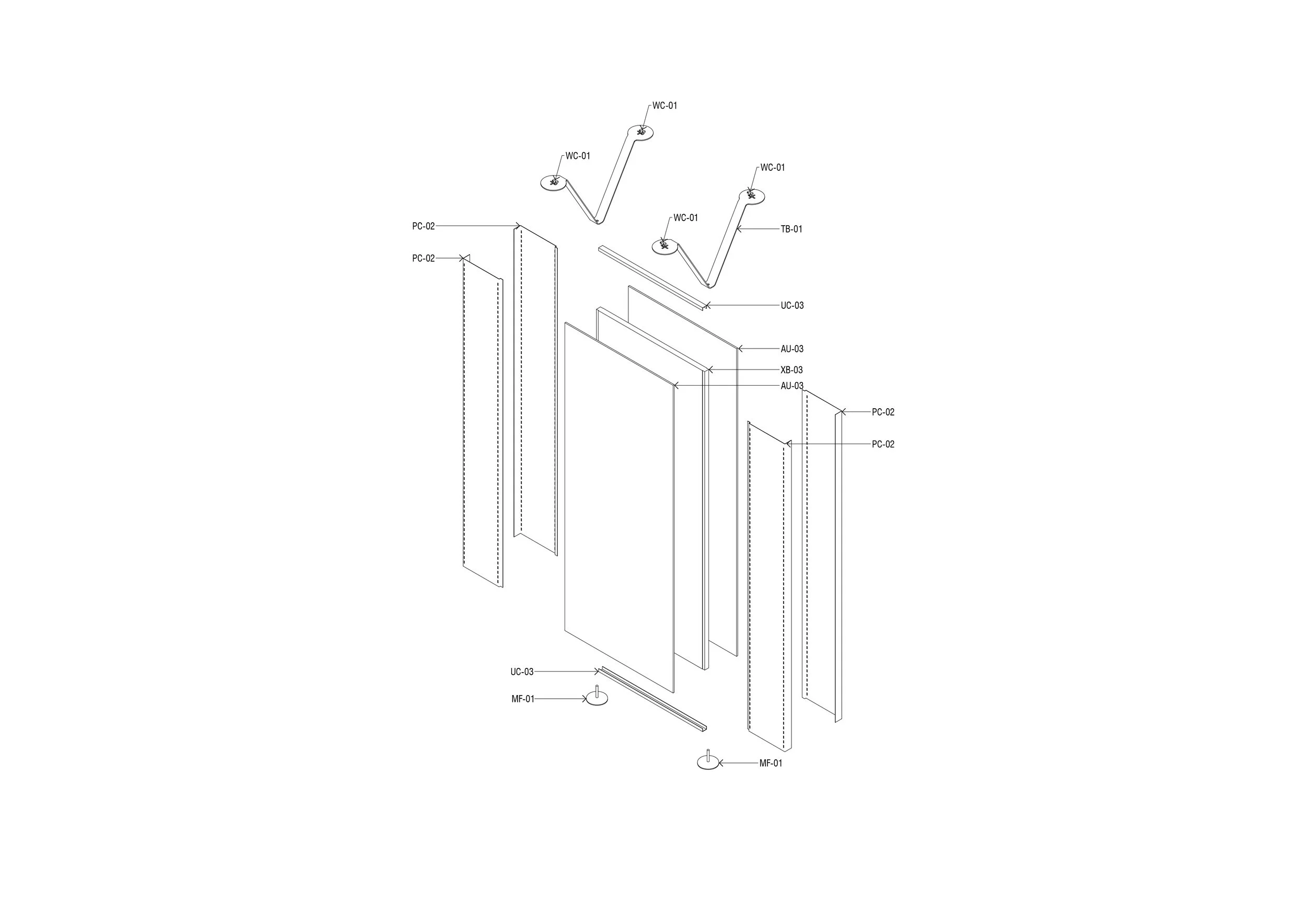

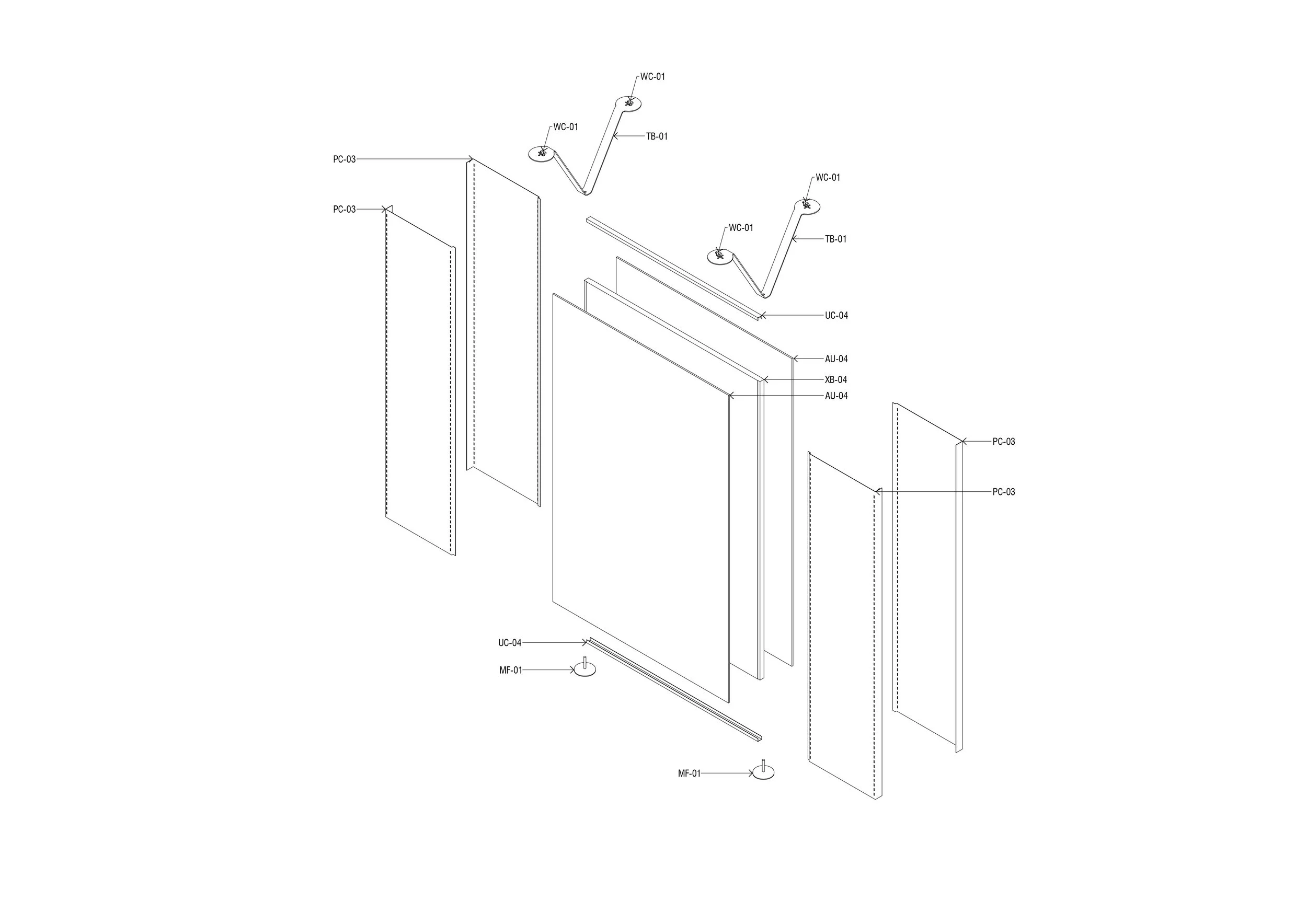
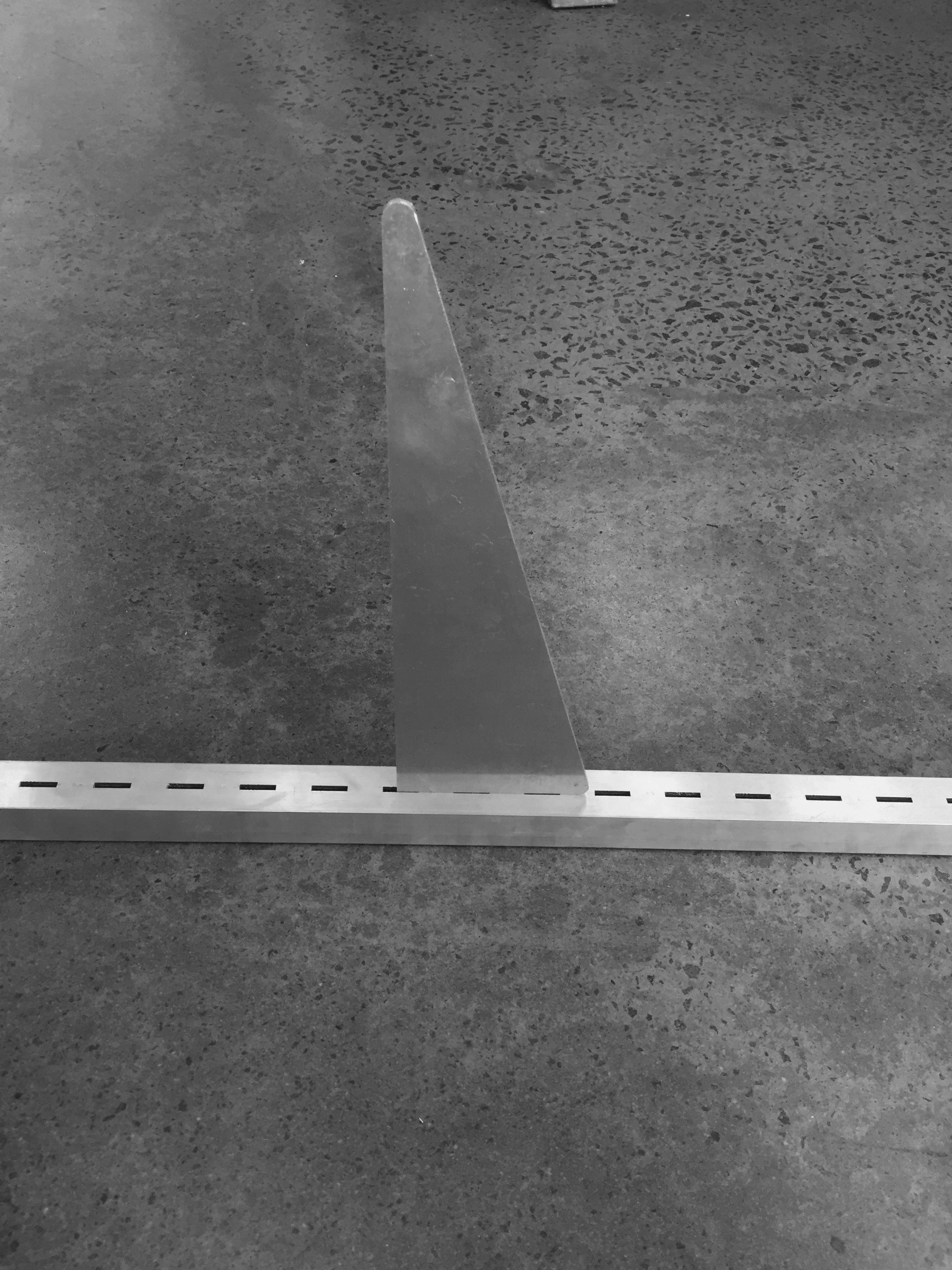
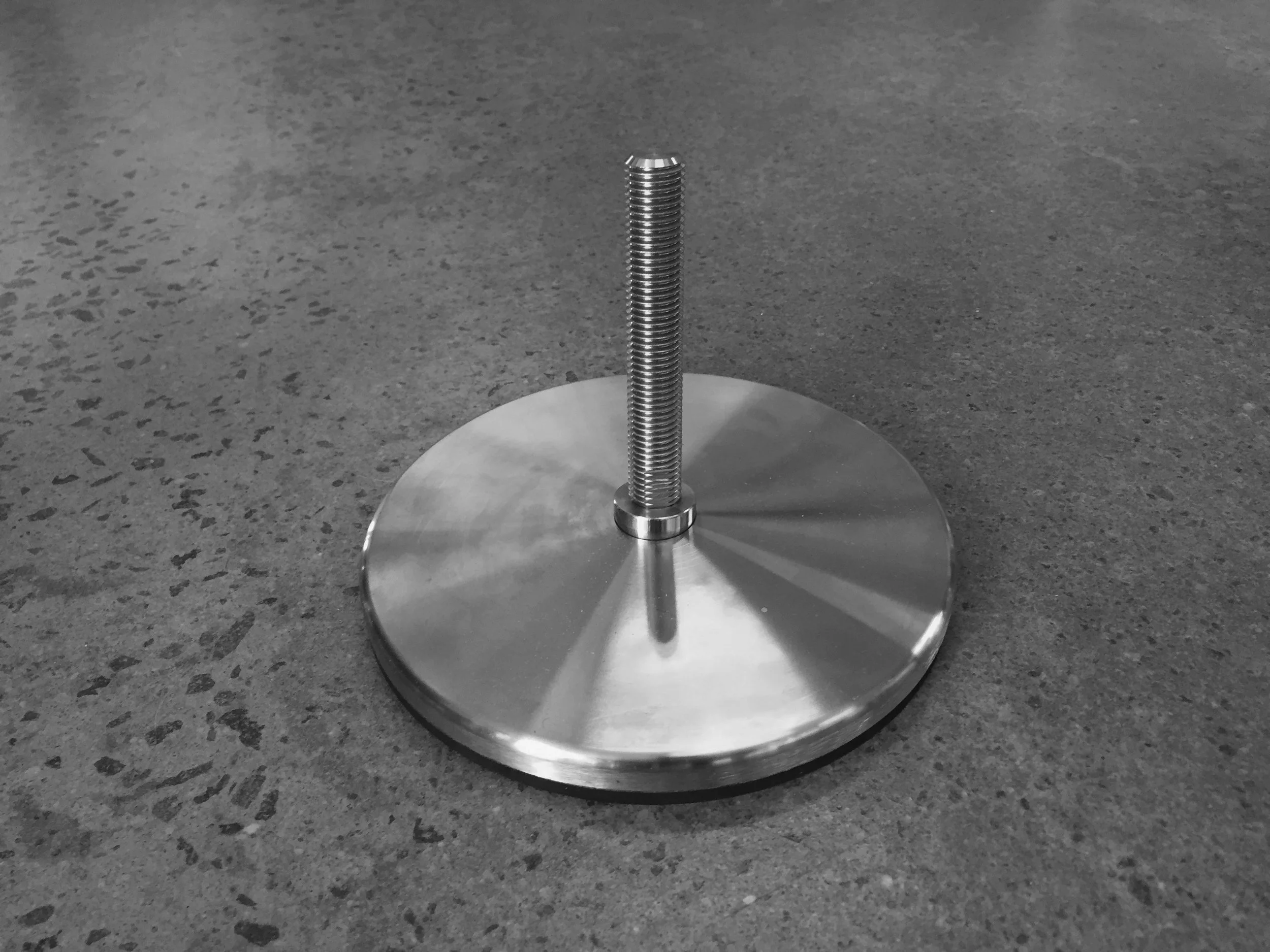
Walls are held just below the ceiling line, suspended via folded aluminium brackets and stabilised with adjustable machine feet. This offset maintains fire compliance while reinforcing the sense of the system as independent, temporary, and reversible.
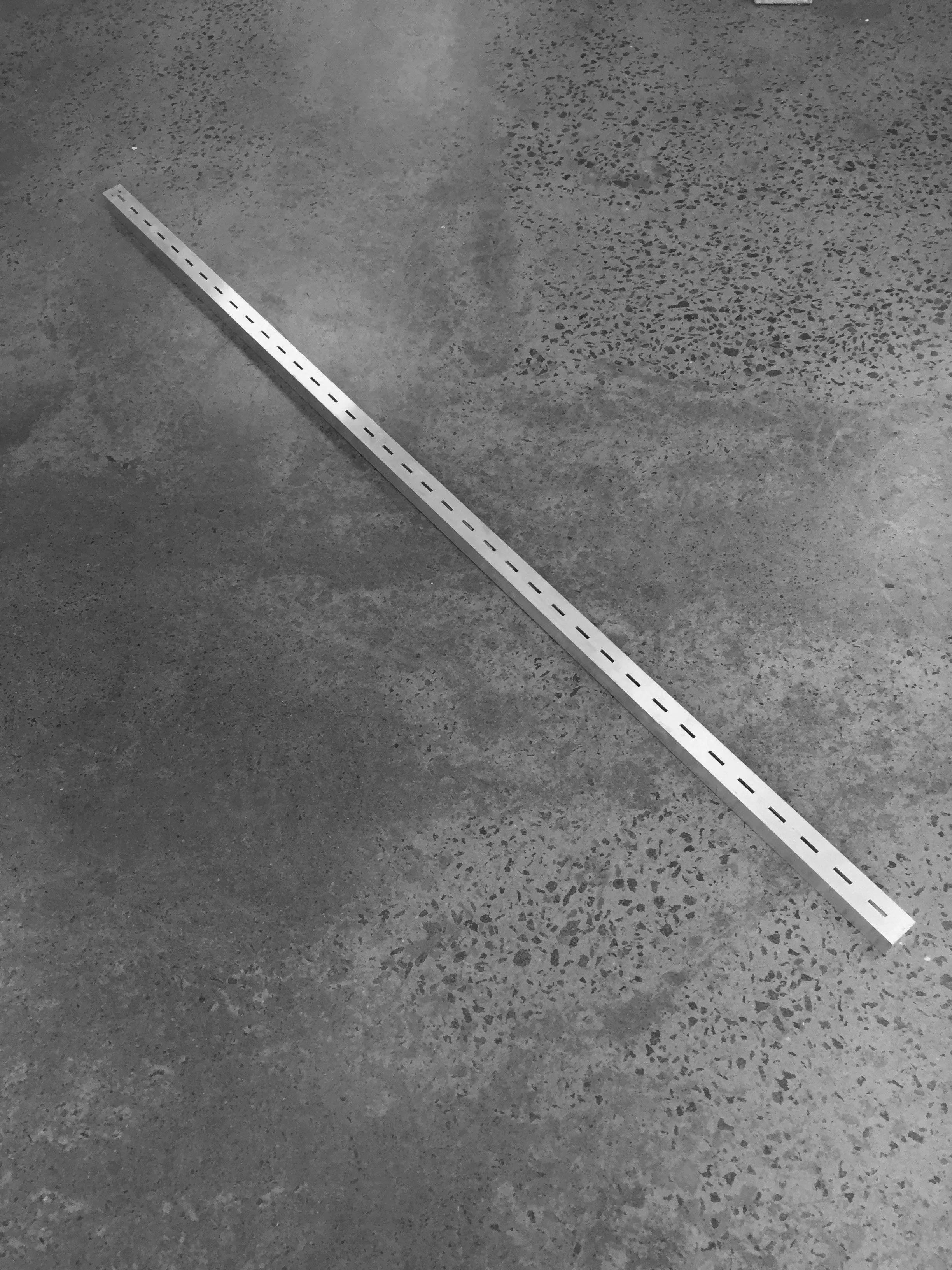
Constructed from durapanel and clad in acoustic lining, the walls operate as both pin-up surfaces and storage. Their dimensions are derived from a proportional series based on standard paper sizes, A0 to A4, embedding the conventions of architectural production directly into the fabric of the space. Folded aluminium frames, an extension of March Studio’s ongoing systems research, are laser-cut to accept shelves, lighting and power, allowing each wall to shift between display and utility.
All components are mechanically fixed. No adhesives are used. Materials can be disassembled, reused, or returned to supply chains in their original formats.
The result is an interior that behaves like the discipline it houses, iterative, adaptable, and precise.
A system, rather than a fit-out.
-
EDUCATION
-
COMPLETE 2016
-
WURUNDJERI | MELBOURNE | VICTORIA
-
BUILDER | KANE CONSTRUCTIONS
-
PETER BENNETTS
MARCH STUDIO