
AESOP SALONE DEL MOBILE
MILAN |CHIESE DI SANTA MARIA DEL CARMINE | 2026
‘Nothing is fixed. Everything can be dismantled, reused, and made again.’
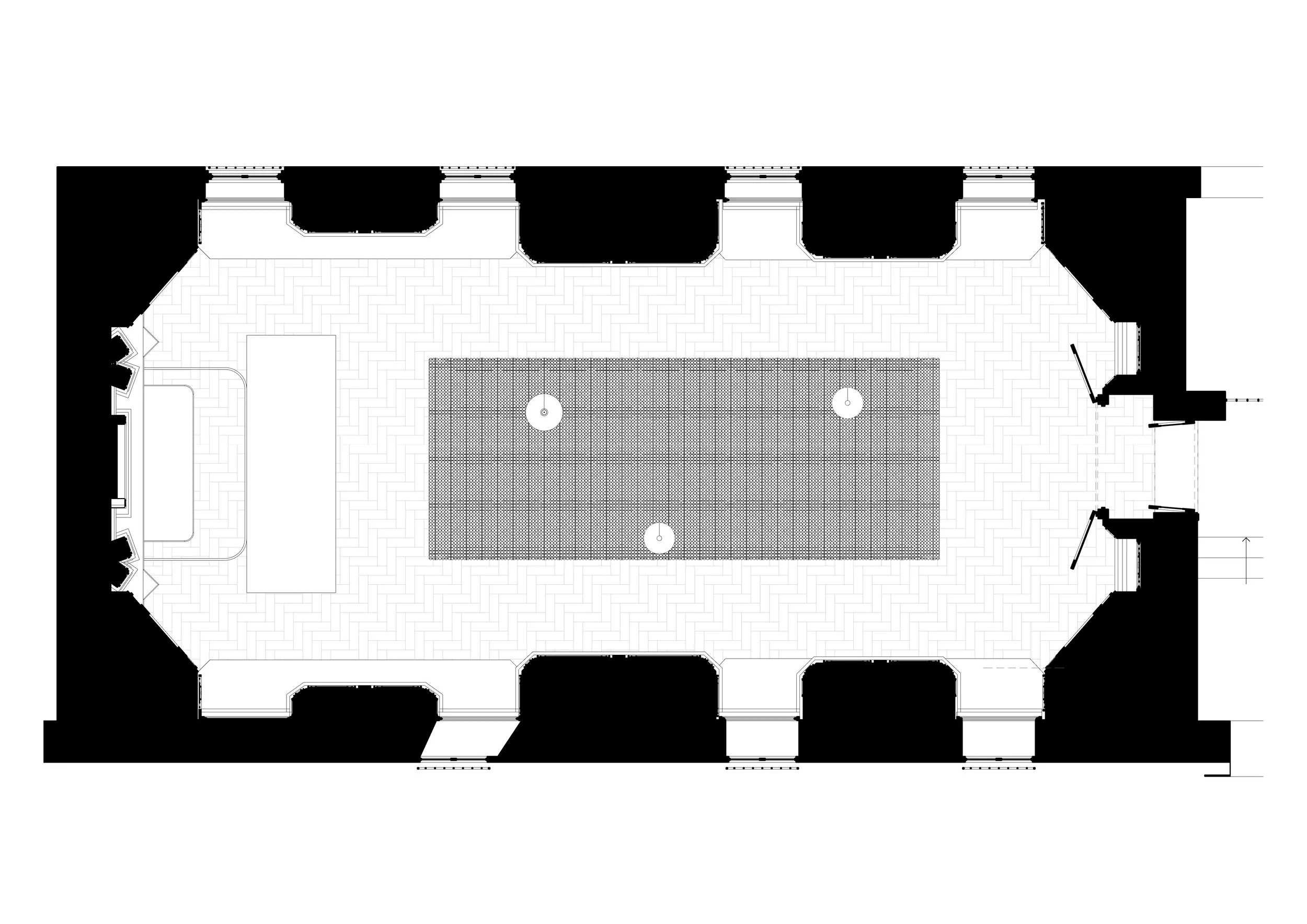
March Studio was engaged by Aesop Europe on its most significant collaboration with the brand to date, for Salone del Mobile 2026 in Milan. The project takes the form of a three-part installation within Chiesa di Santa Maria del Carmine.
It marks the launch of Aesop’s first product, Aposē, a lamp developed in-house and manufactured by Flos. Produced in brass and glass, the lamp is presented in three iterations, floor, pendant, and table.
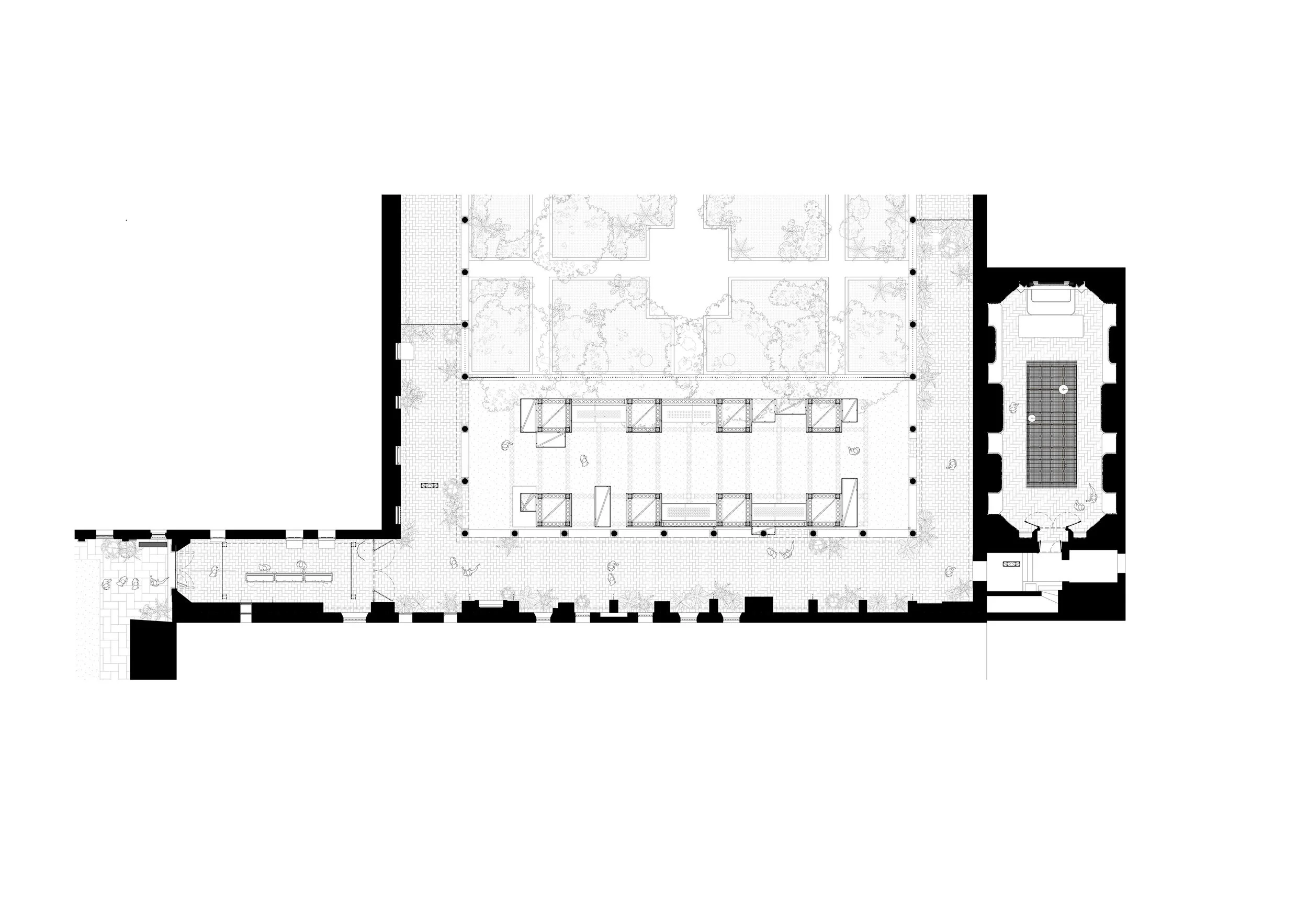
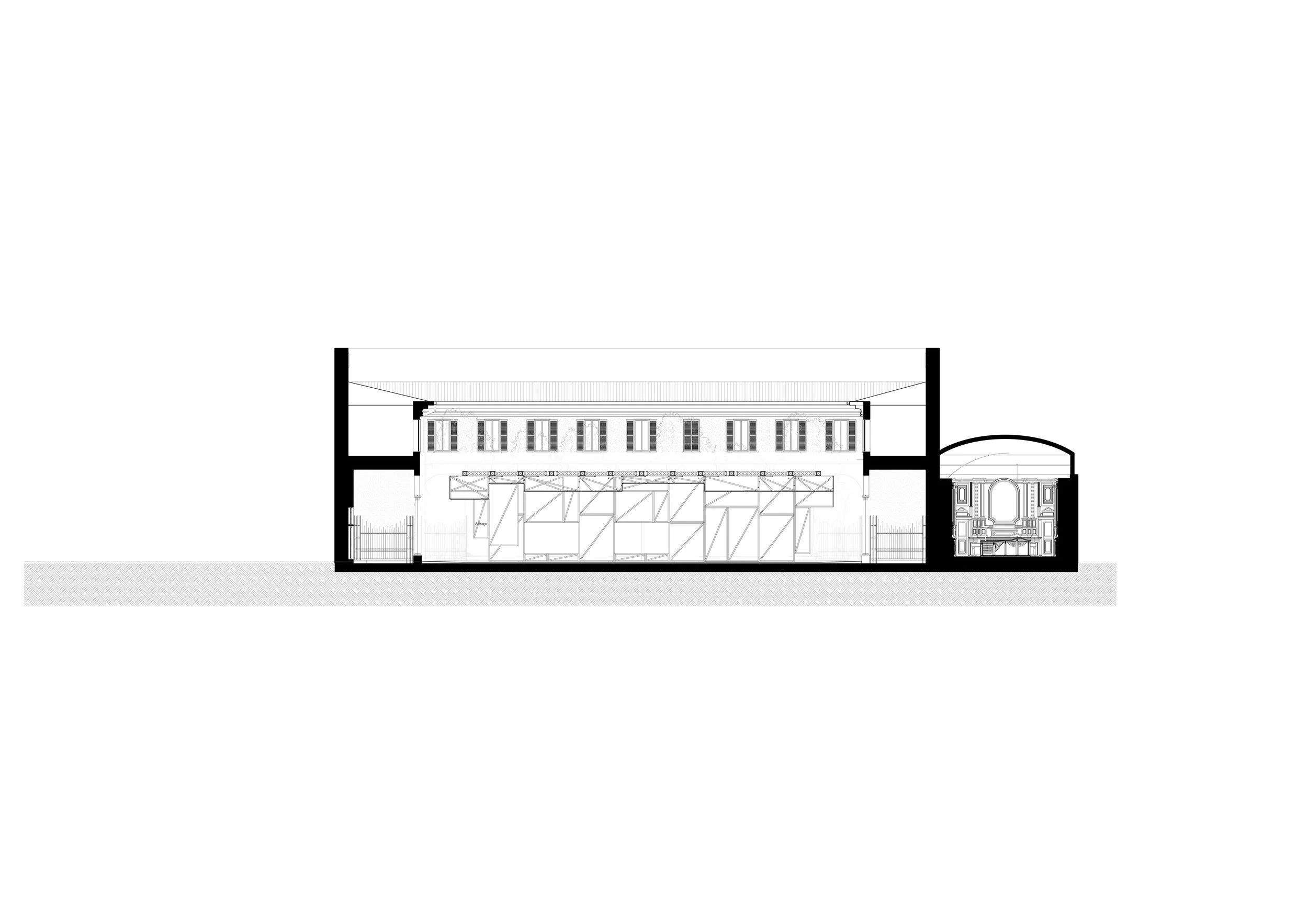
The installation for the launch at Salone is structured as three parts, the Welcoming, the Factory of Light, and the Sacristy.
The brief was direct.
Make it about light.
Return to first principles.
Work with what exists.
Leave nothing behind but good memories.
PART 01 | THE WELCOMING
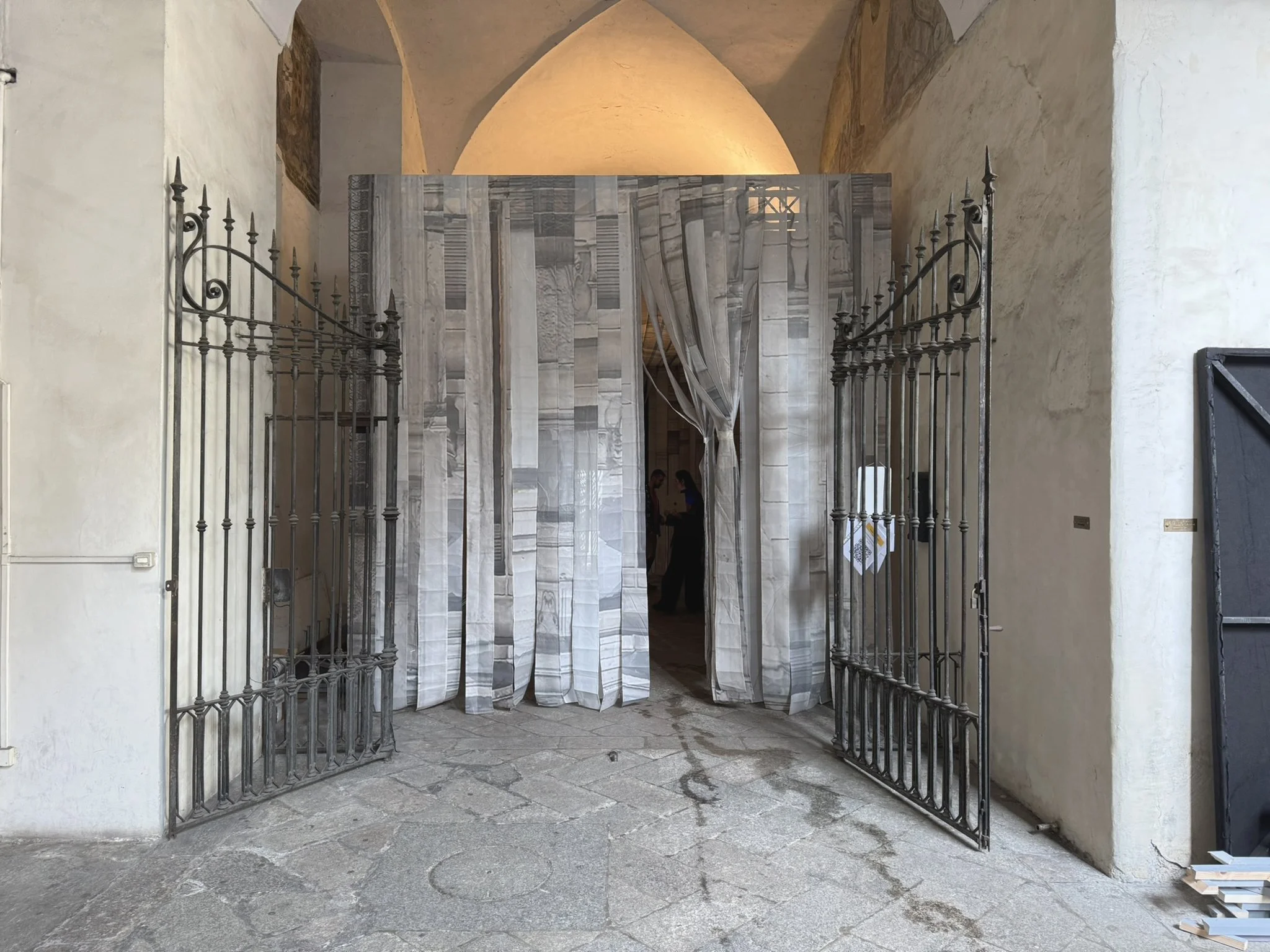
The Welcoming operates as a threshold.
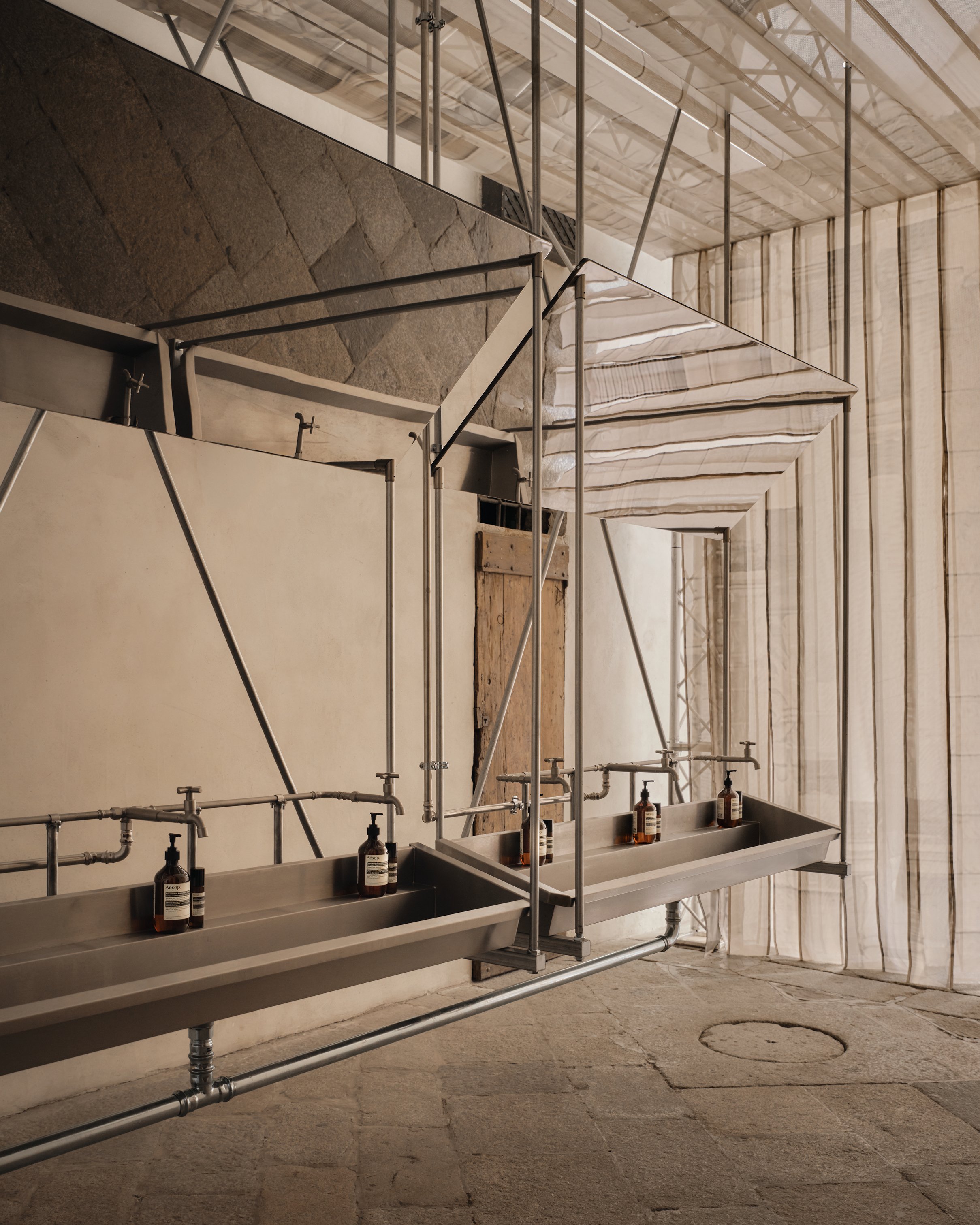
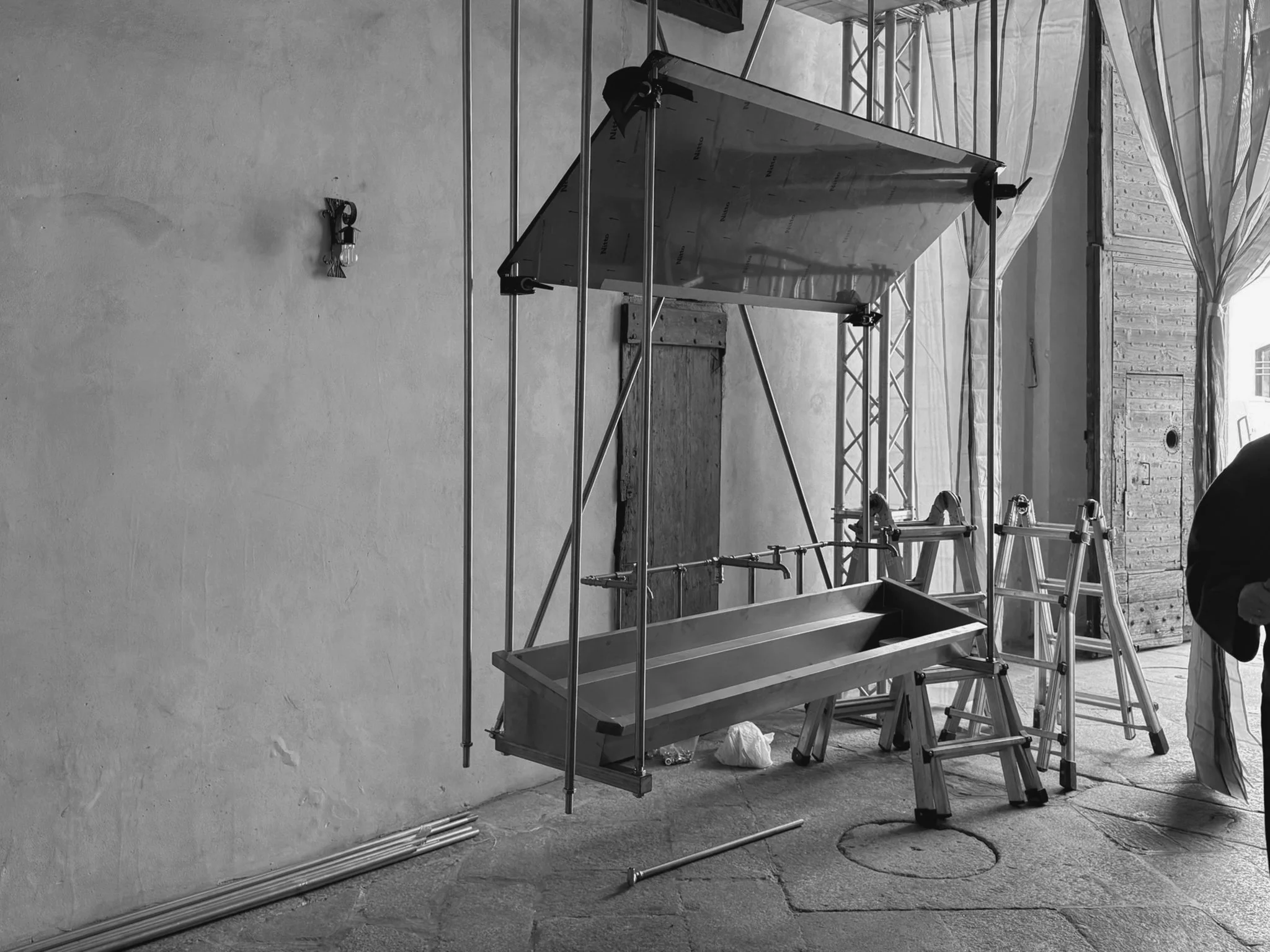
Visitors are invited to pause, wash, and reset before entering. A field of suspended basins forms a space of ritual cleansing, a moment of calibration within the intensity of the fair.
The basins are repurposed from the previous year’s installation, re-engineered and suspended from a lightweight scaffolding structure. Water is gravity-fed. Plumbing is exposed, unresolved, direct.
The act is simple.
To stop.
To wash.
To begin again.
PART 02 | THE FACTORY OF LIGHT
Parts 2 and 3 operate as acts of making, temporary, iterative, and deliberately impermanent.
The Factory of Light begins with observation.
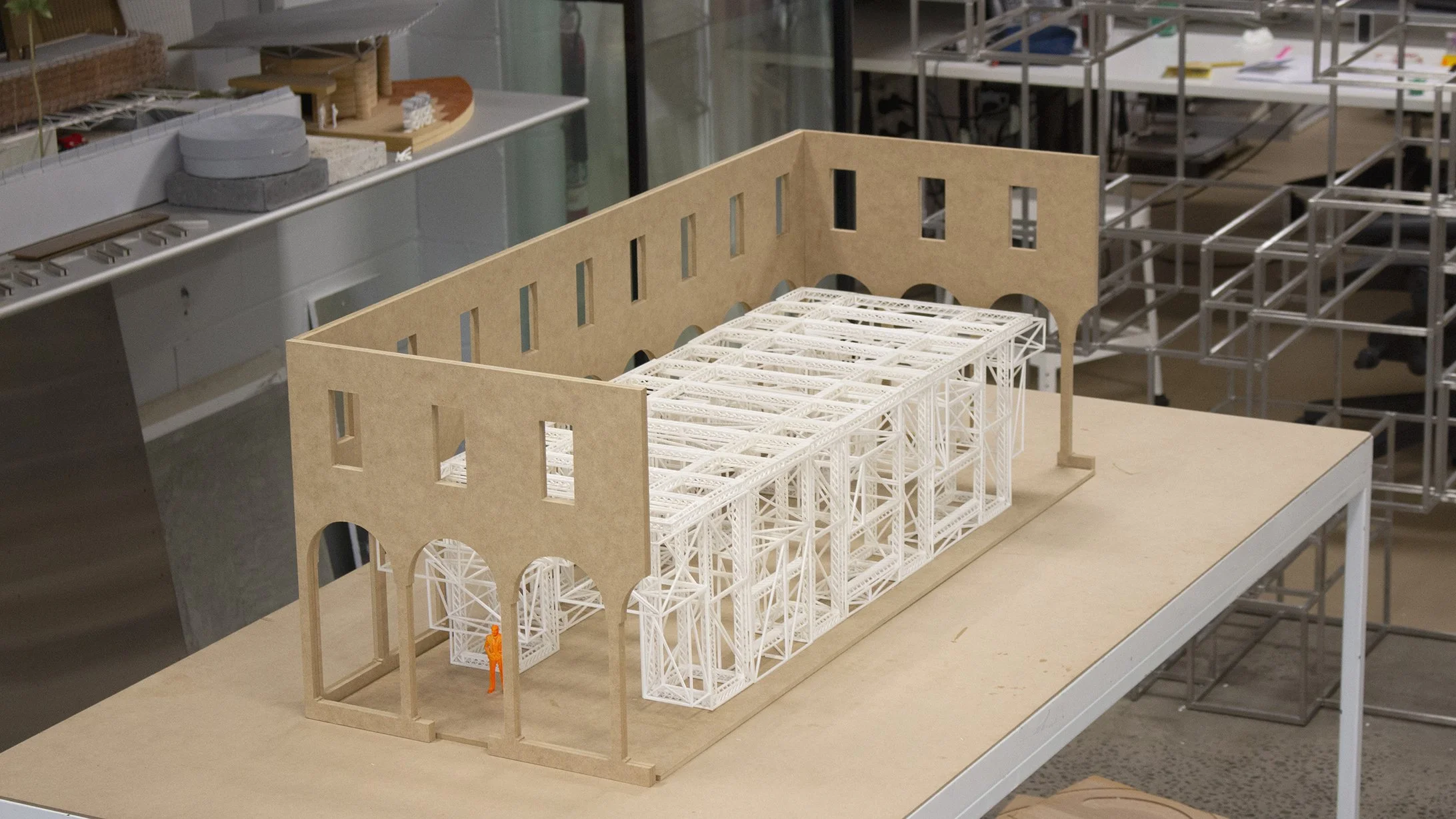
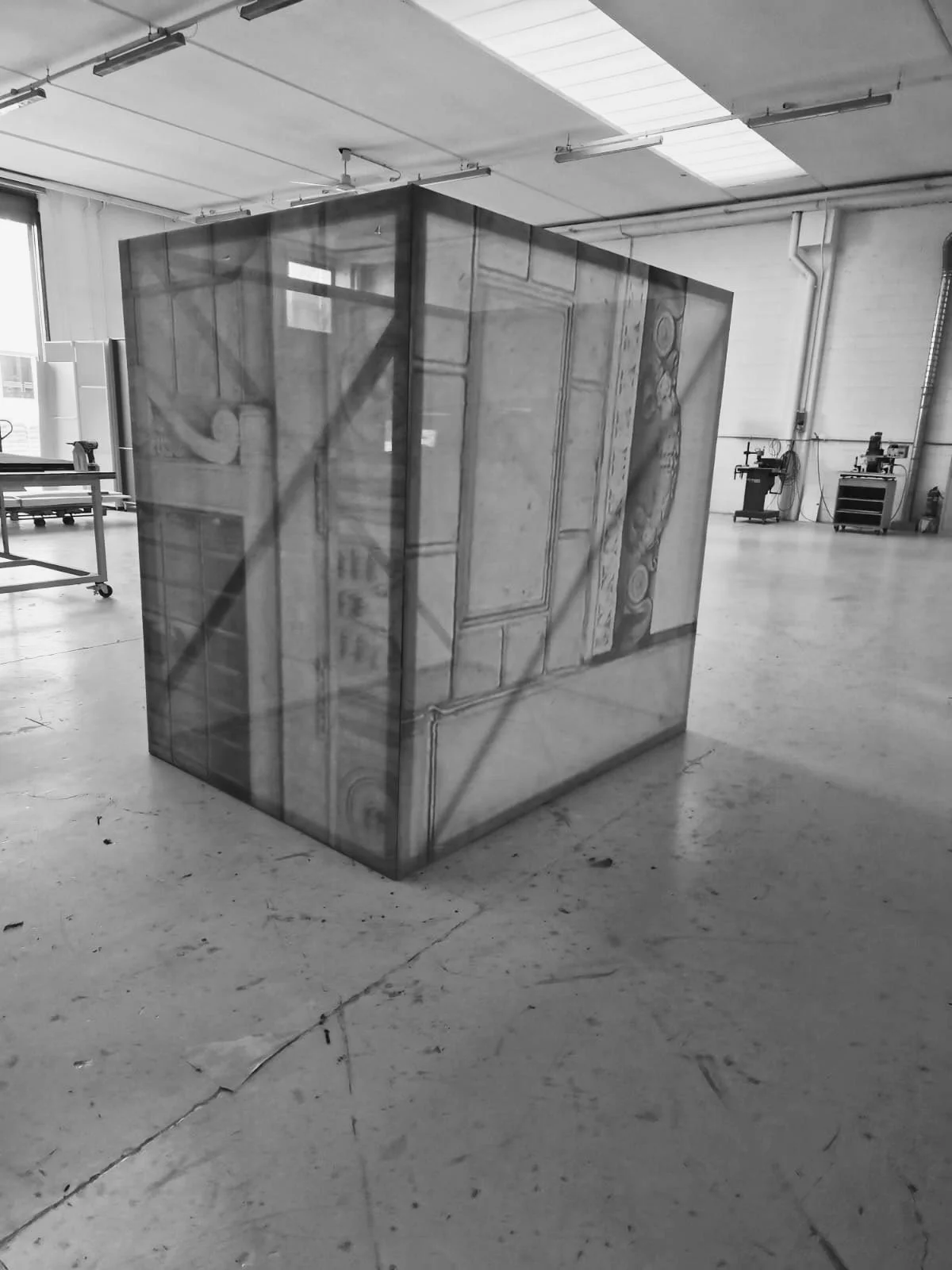
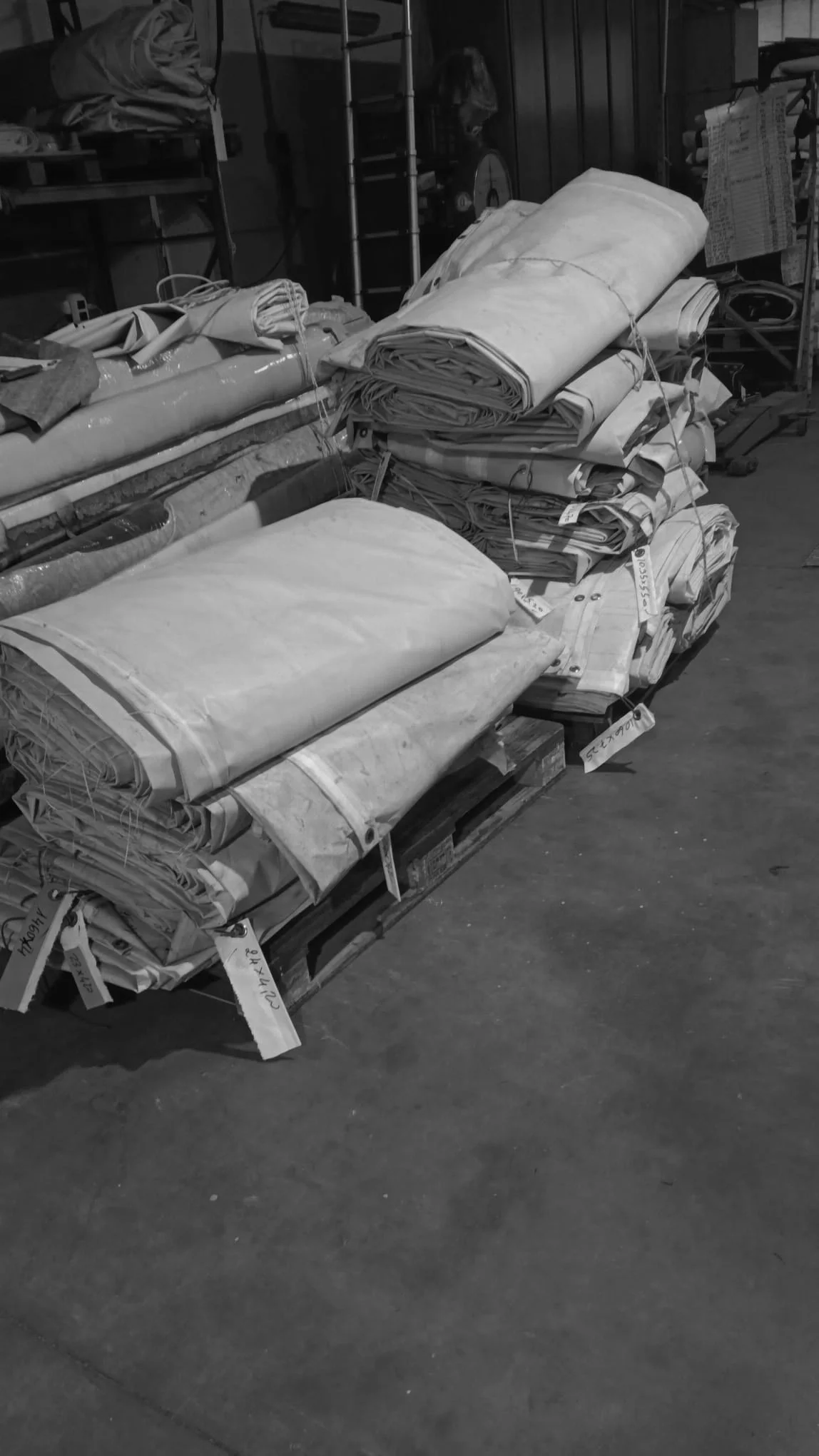
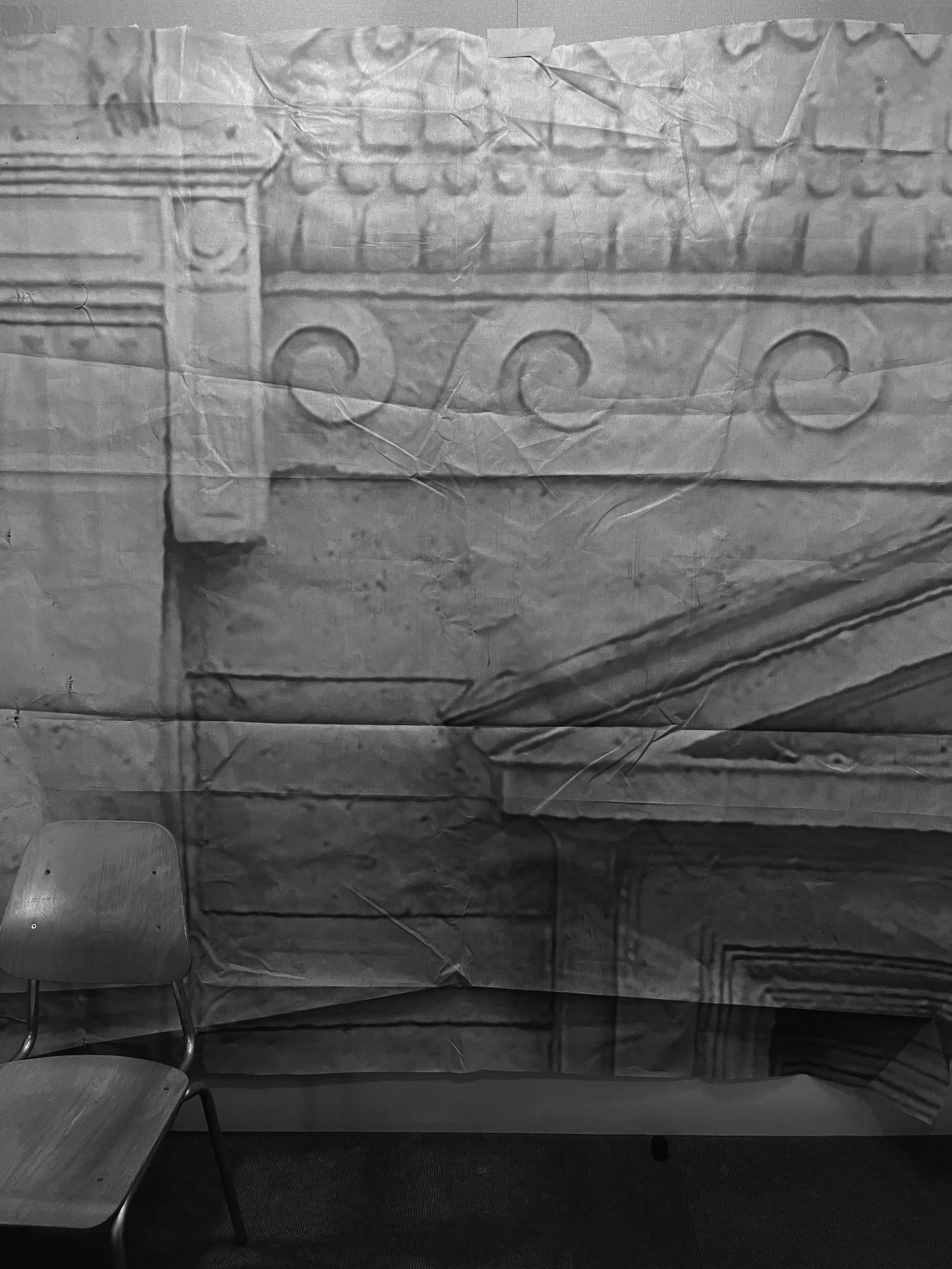
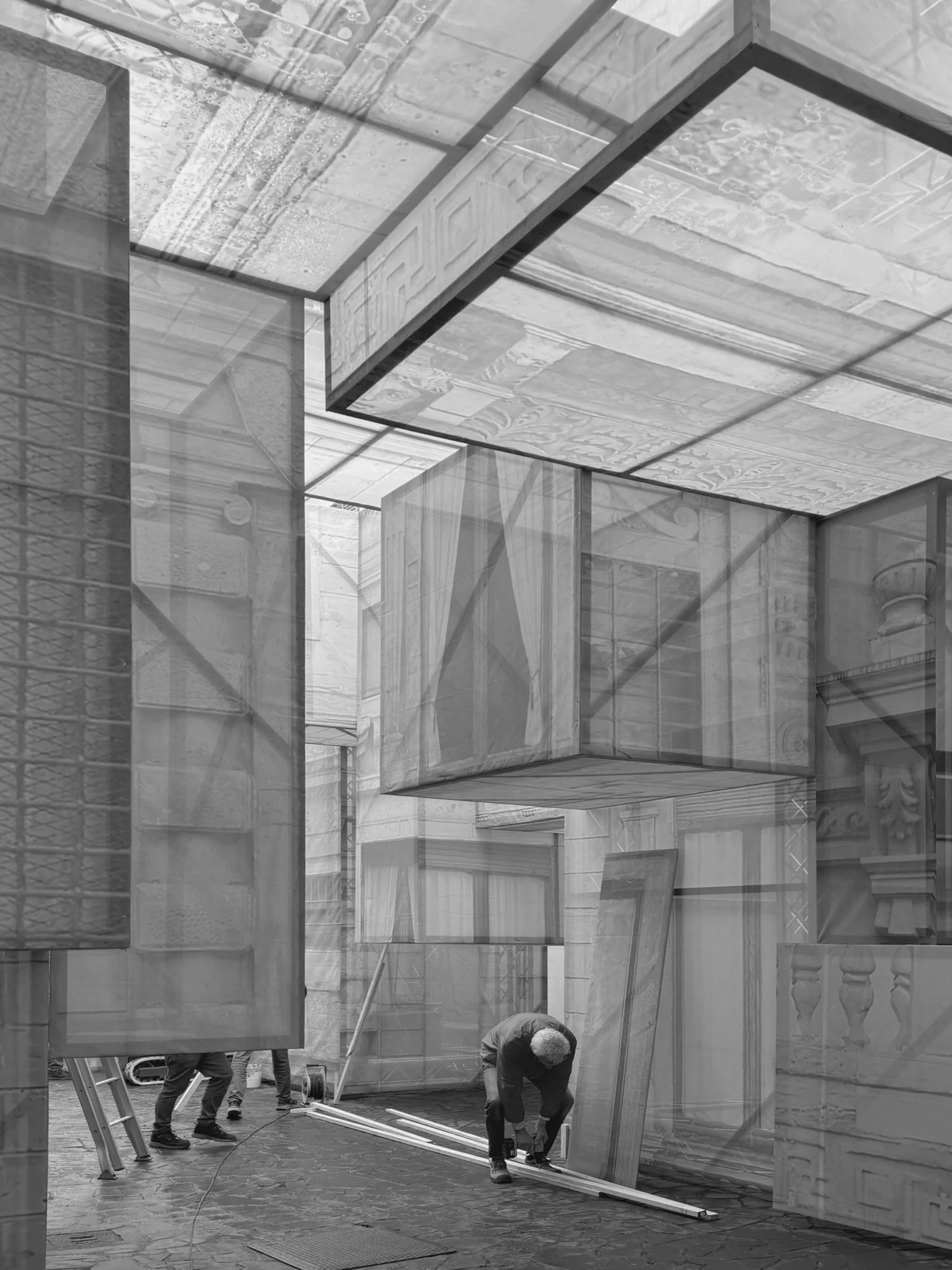
Across Milan, buildings under restoration are wrapped in printed mesh, façades reproduced at scale, stretched across scaffolding. These surfaces filter light, revealing structure while simulating permanence.
Rather than resist this condition, the project adopts it.
Discarded façade fabrics were collected and recomposed. Materials intended for landfill are reassembled into a new structure, retaining their previous image while forming something else.
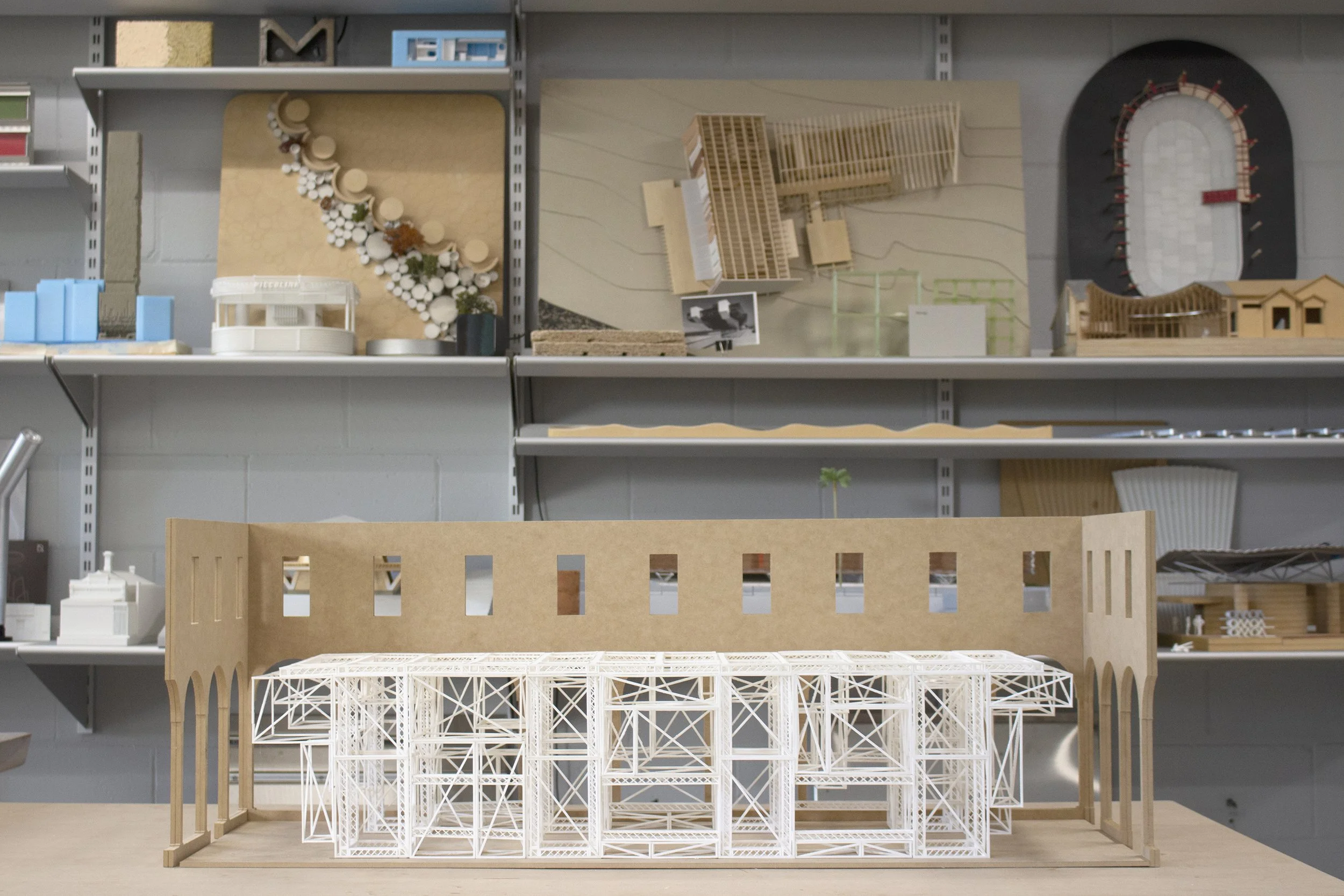
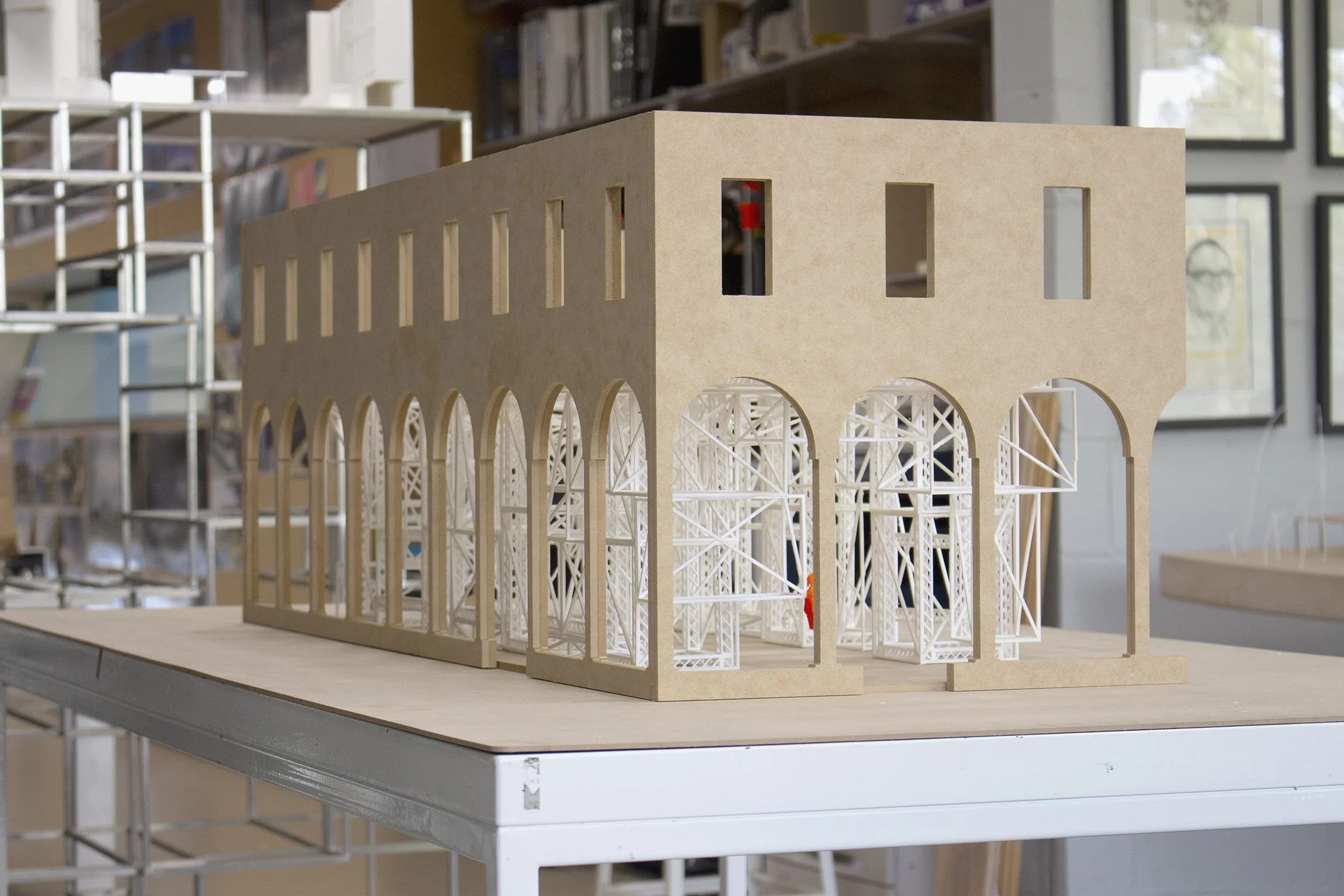
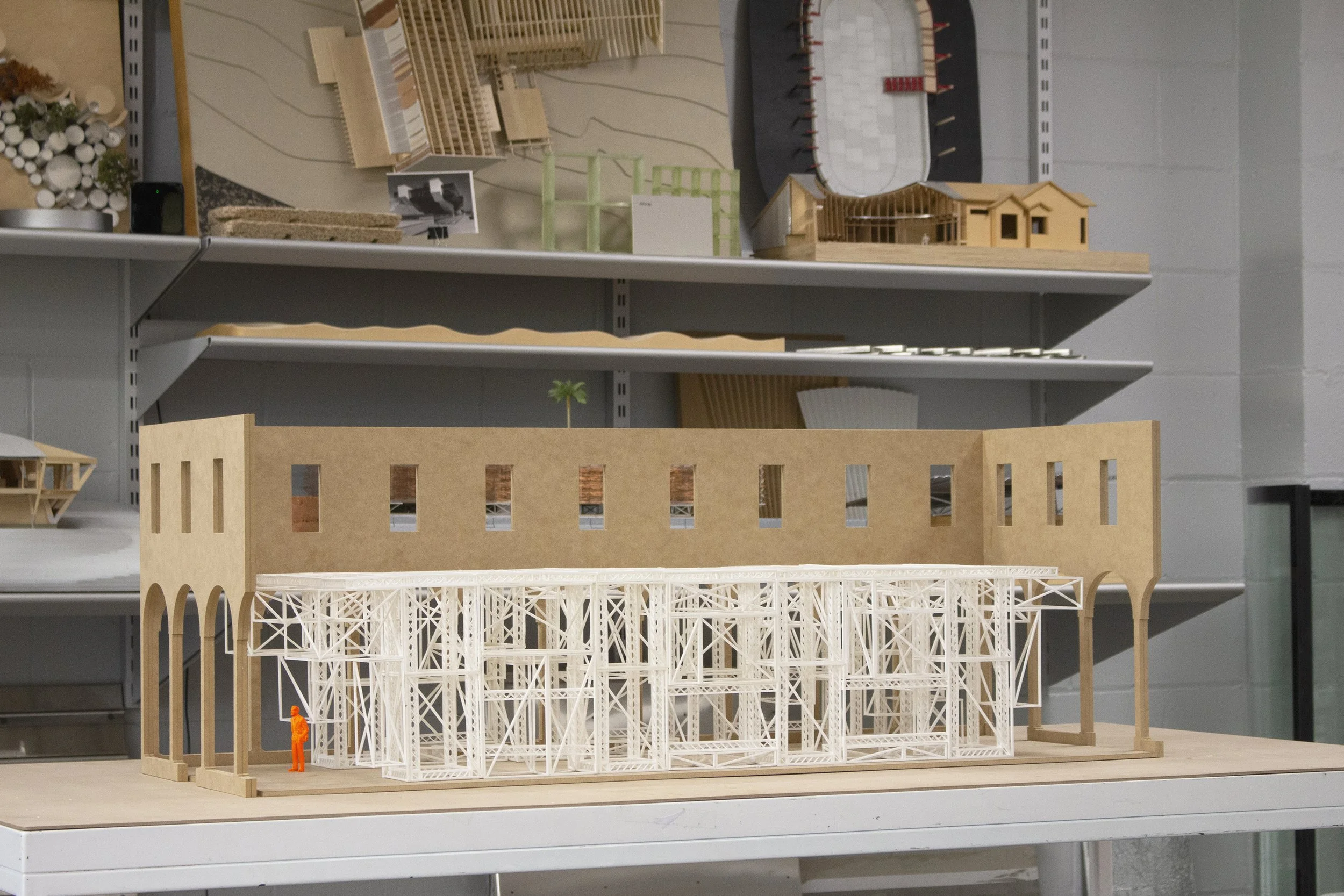
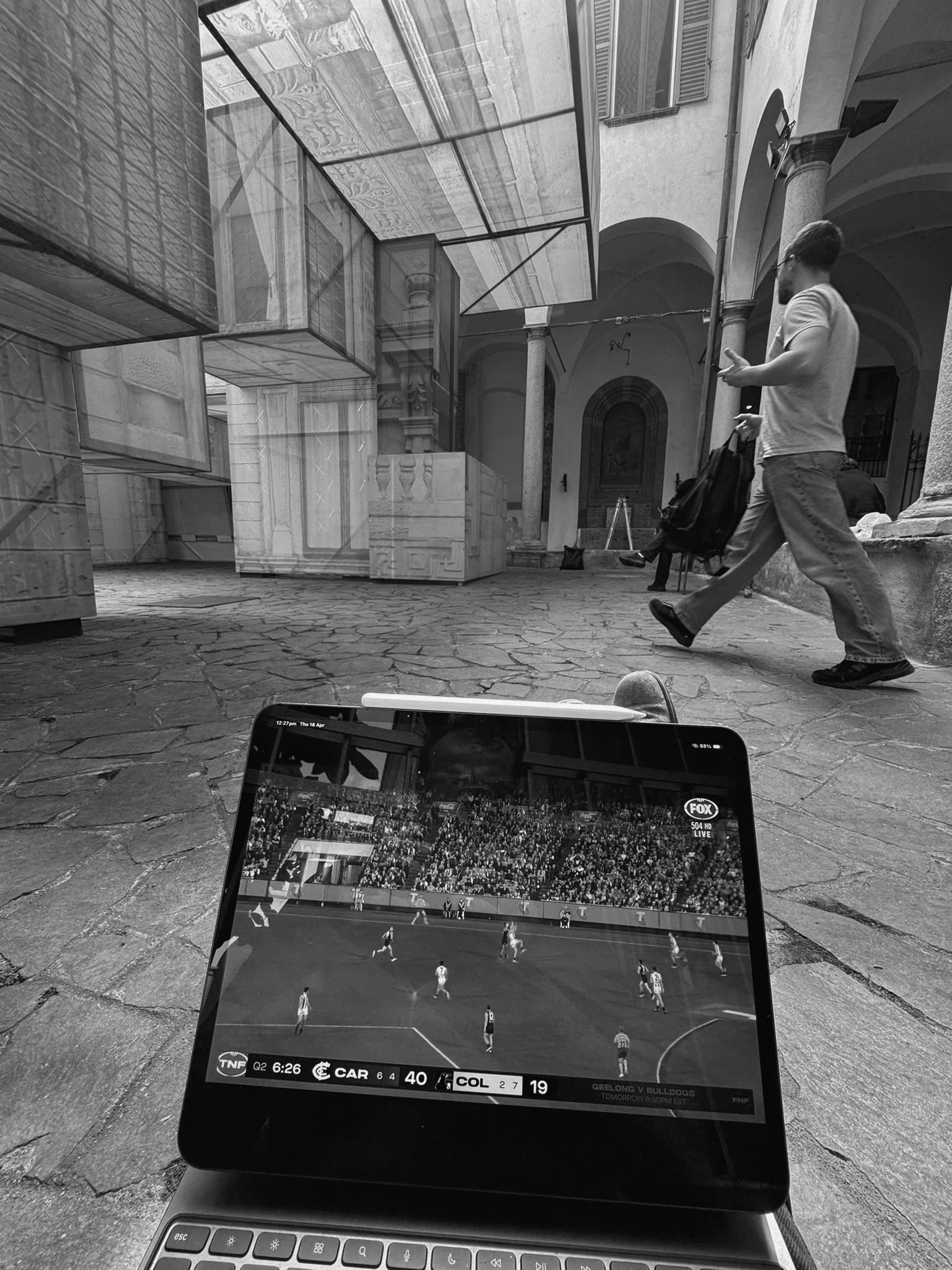
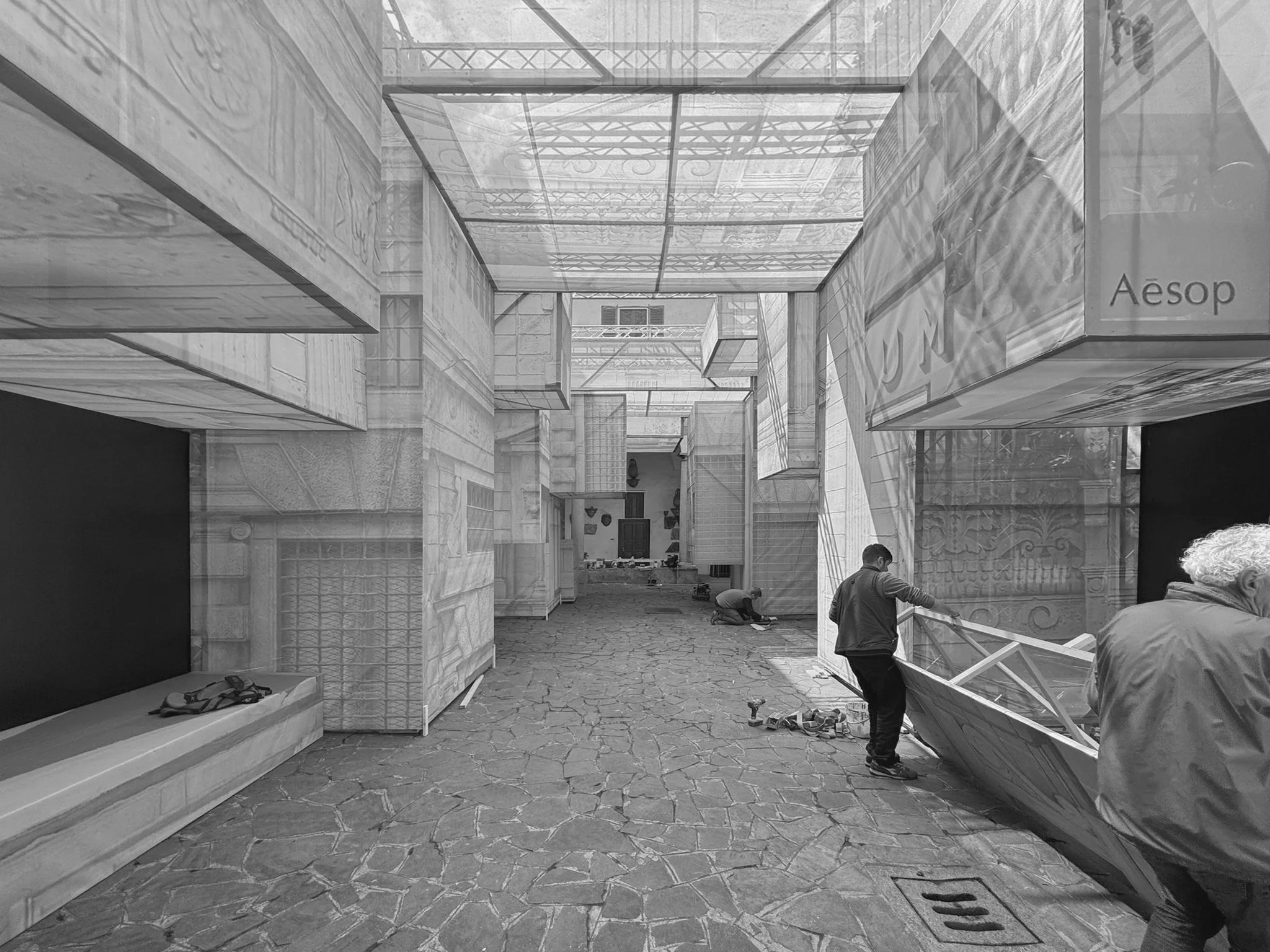
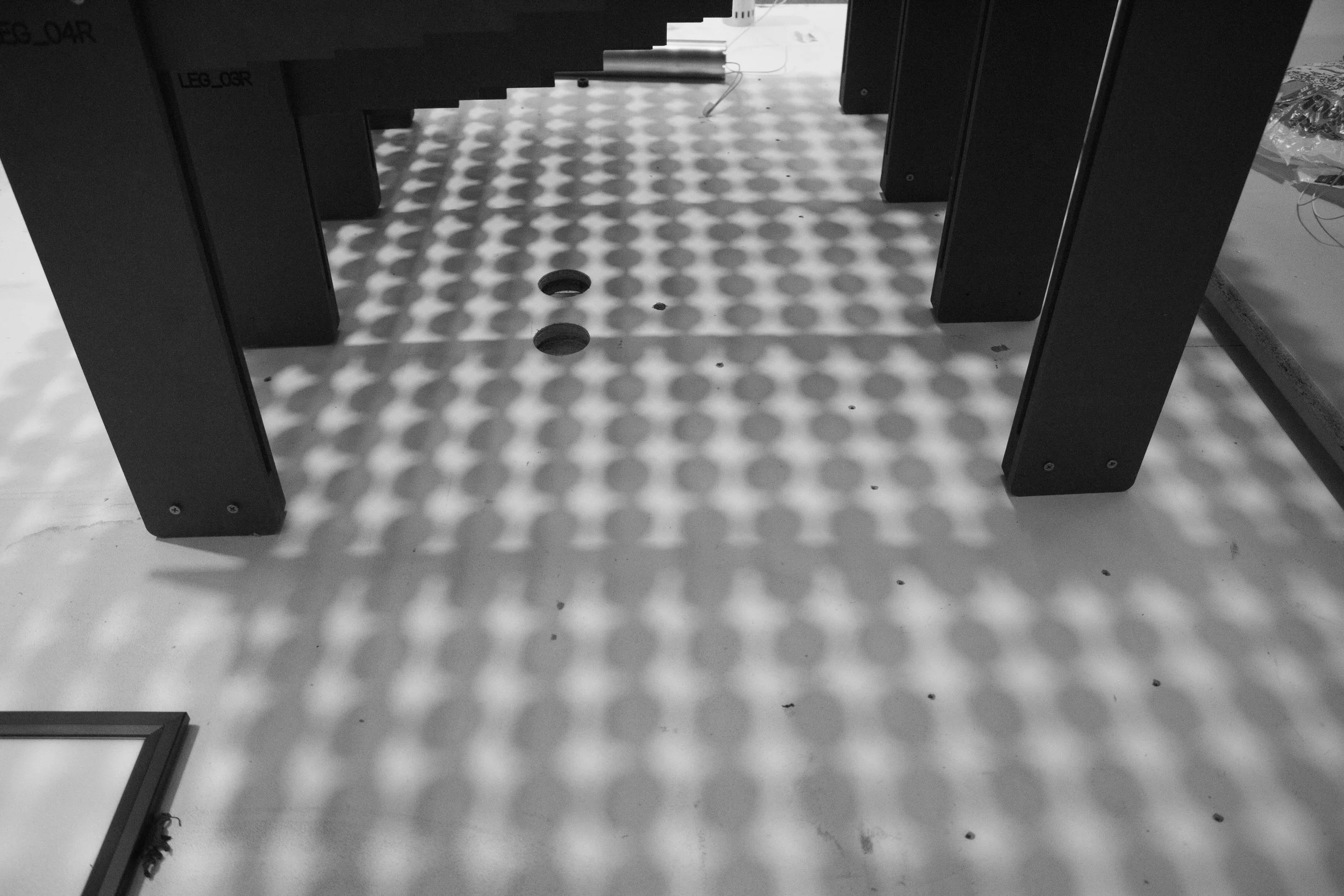
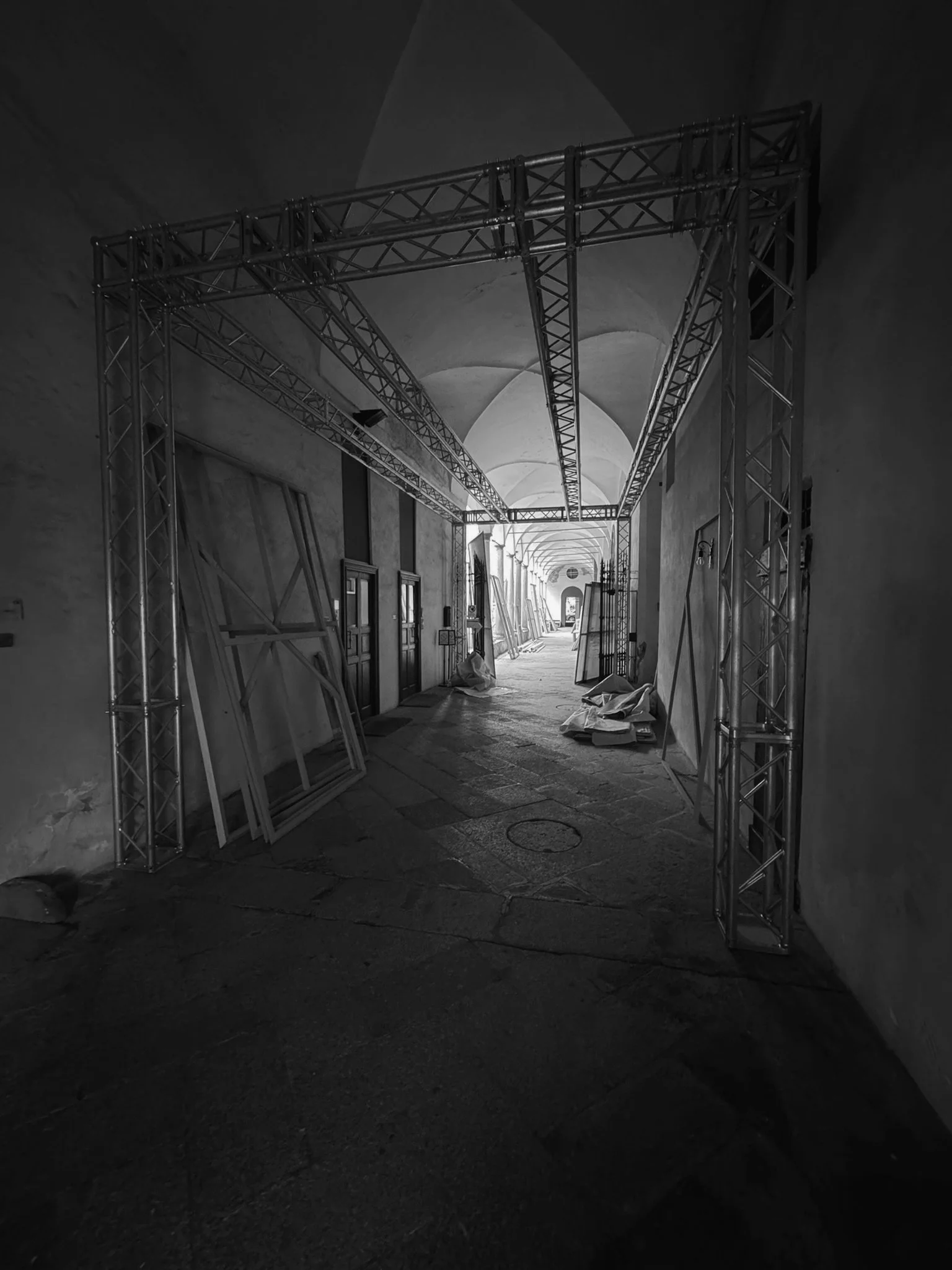
In the courtyard, a suspended field of volumes is constructed from scaffolding. Each element is wrapped in salvaged mesh, producing a layered, translucent surface that filters daylight and casts shifting shadows.
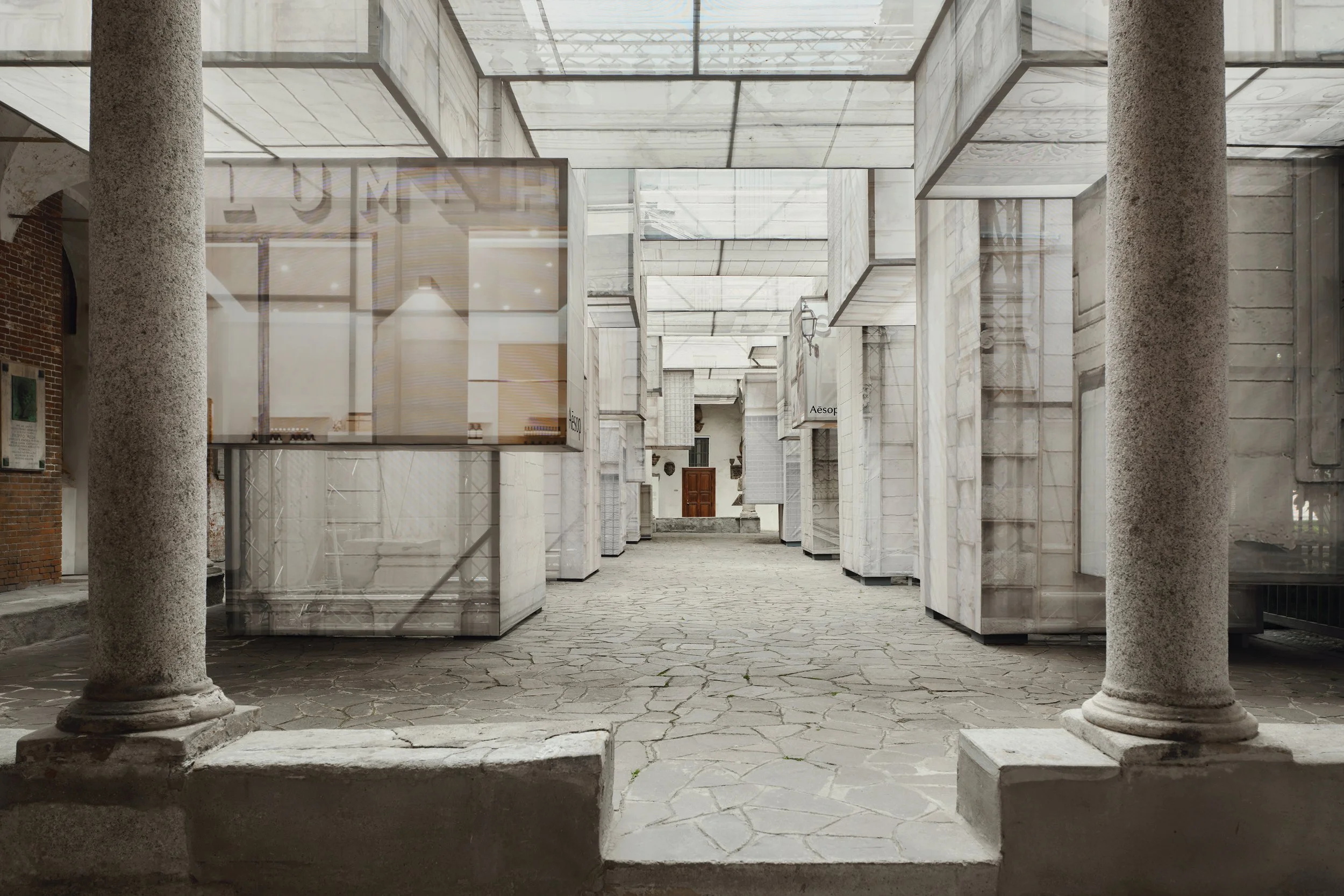
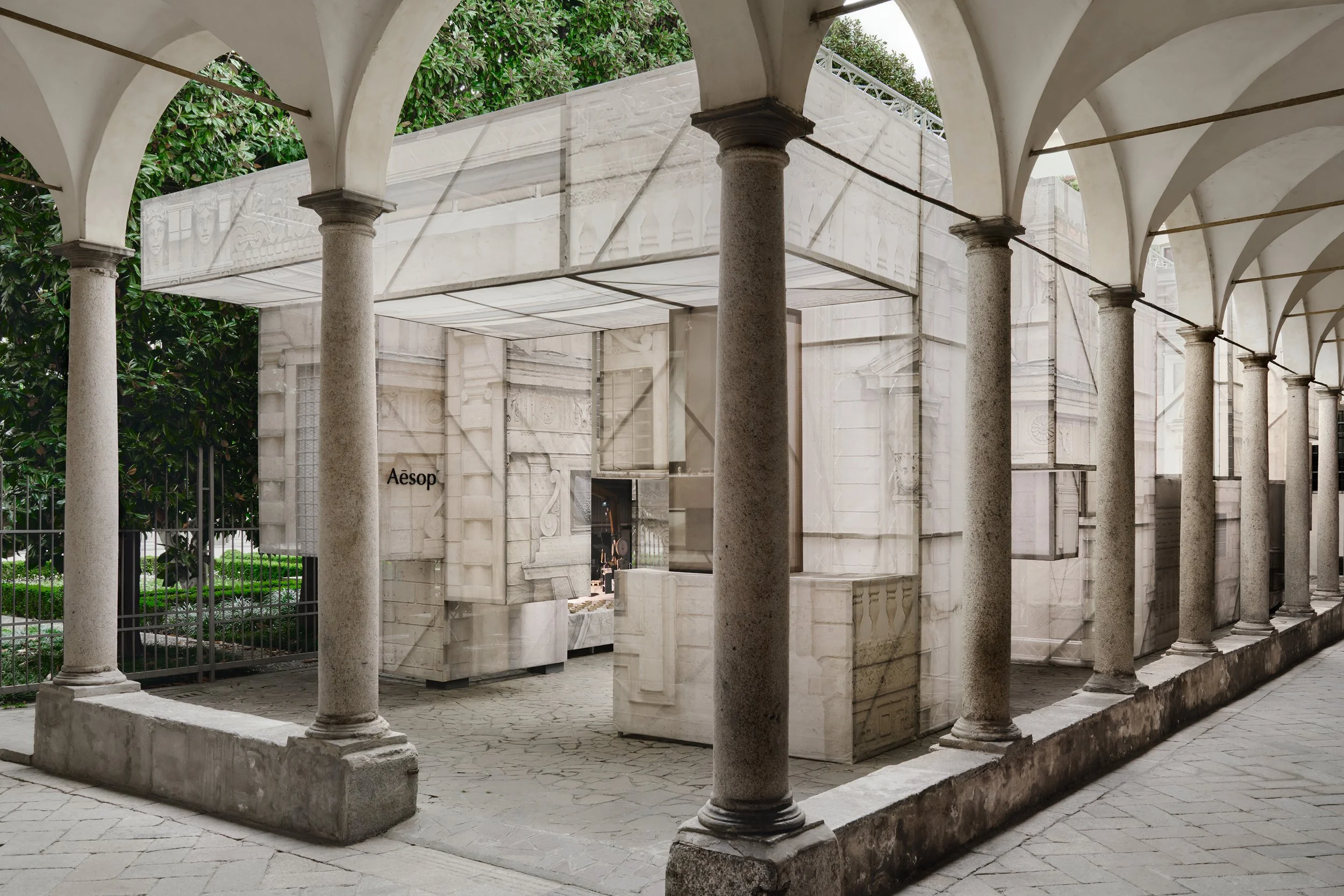
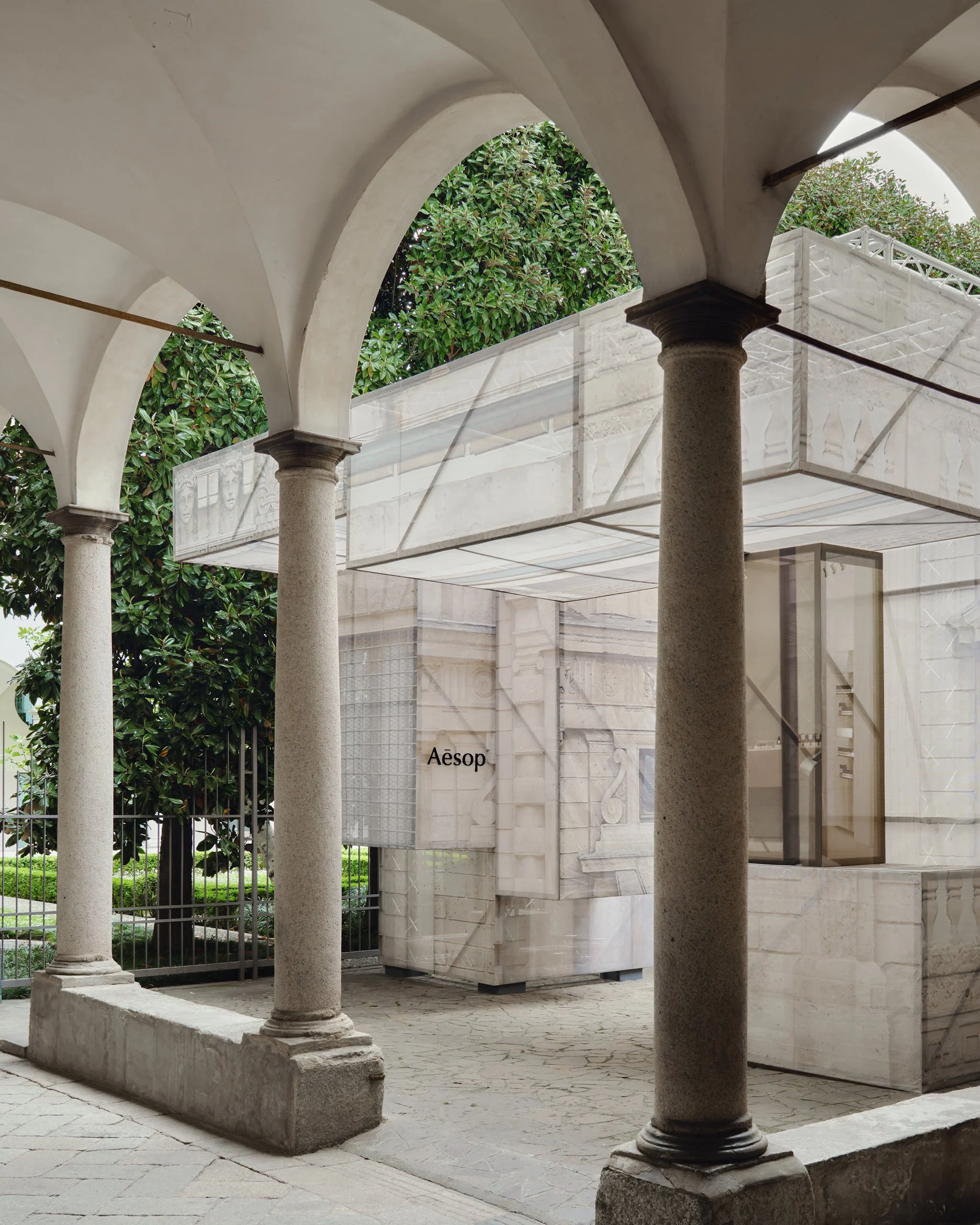
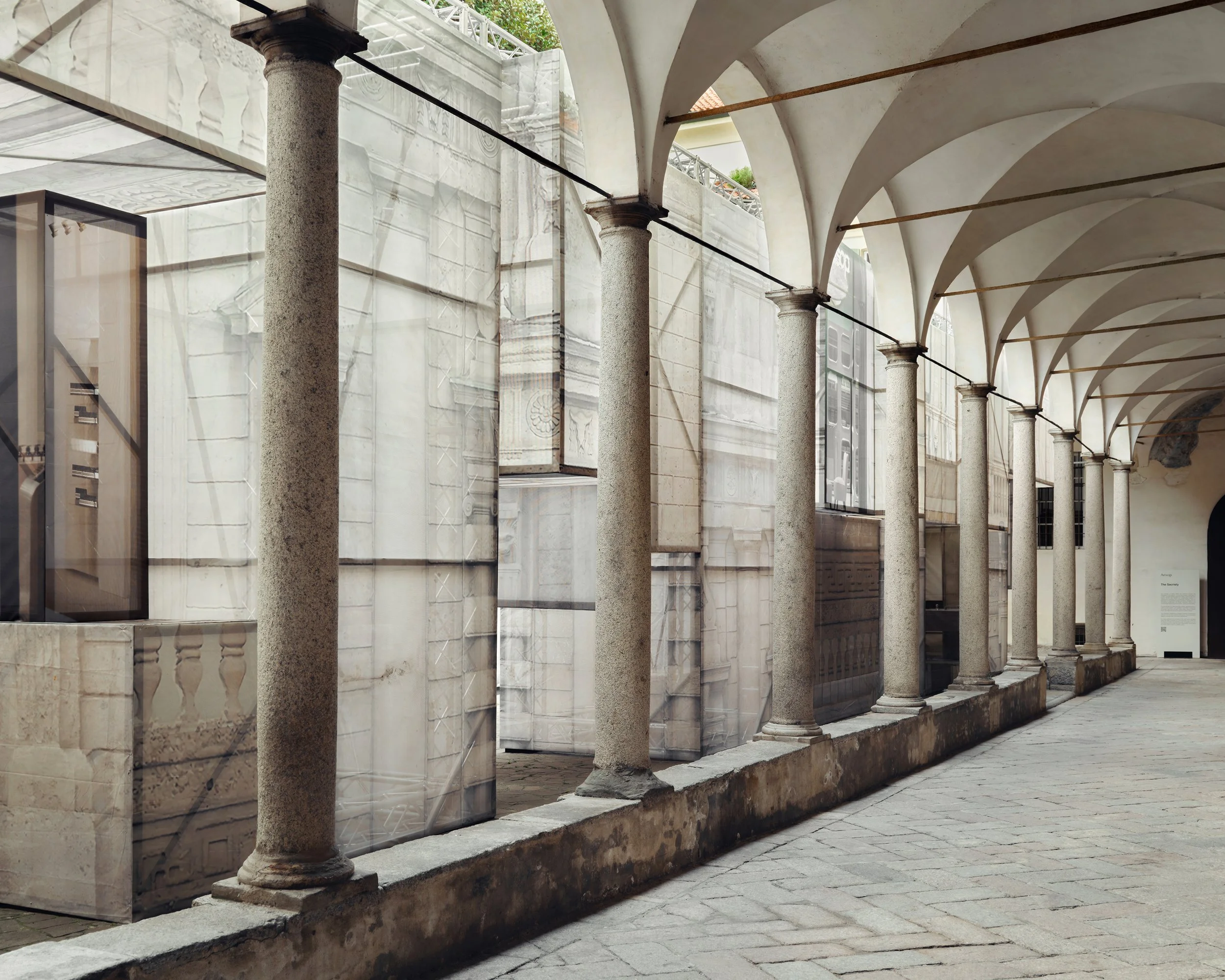
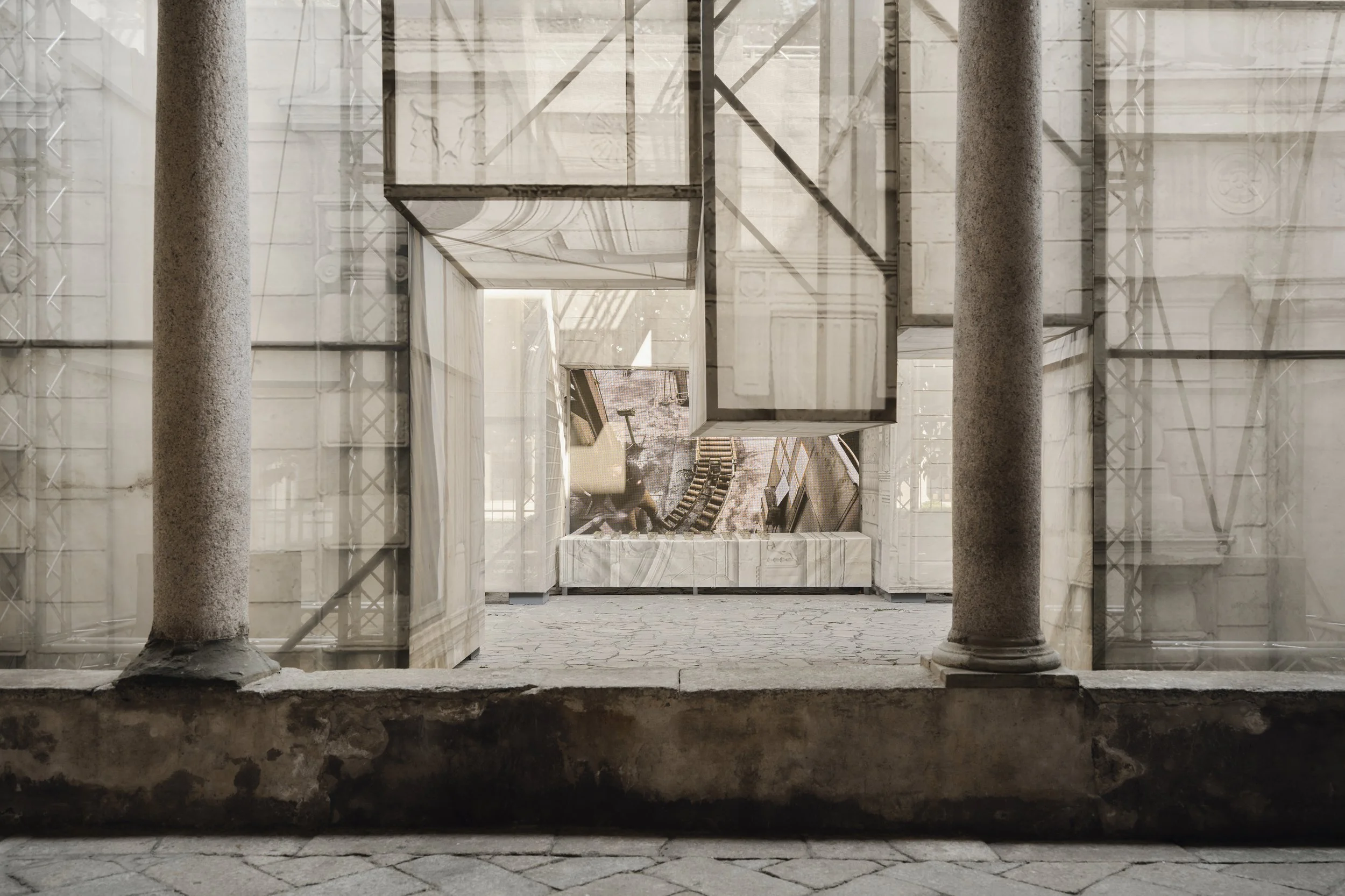
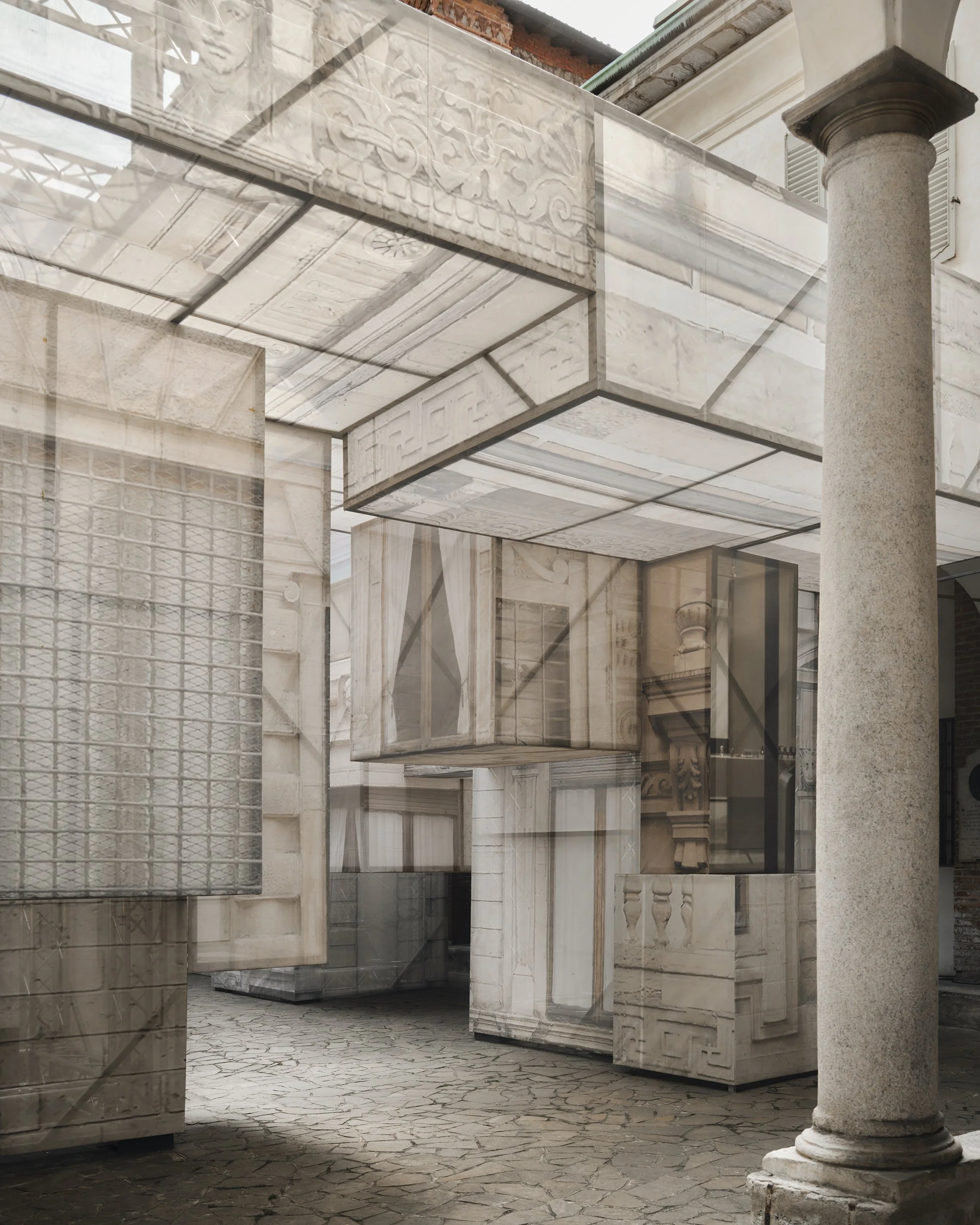
It is a building made from images of buildings.
A structure assembled from fragments of the city.
The system is provisional.
Bolted, not fixed.
Able to be dismantled, relocated, repeated.
Within this structure, a series of films document the making of the lamp. Displayed on integrated screens, they reveal processes of fabrication, assembly, and material transformation.
Light is both subject and medium.
Daylight through fabric.
Artificial light through screen.
A factory, not of objects, but of understanding.
PART 03 | THE SACRISTI
The final space reveals the lamps in their resolved form.
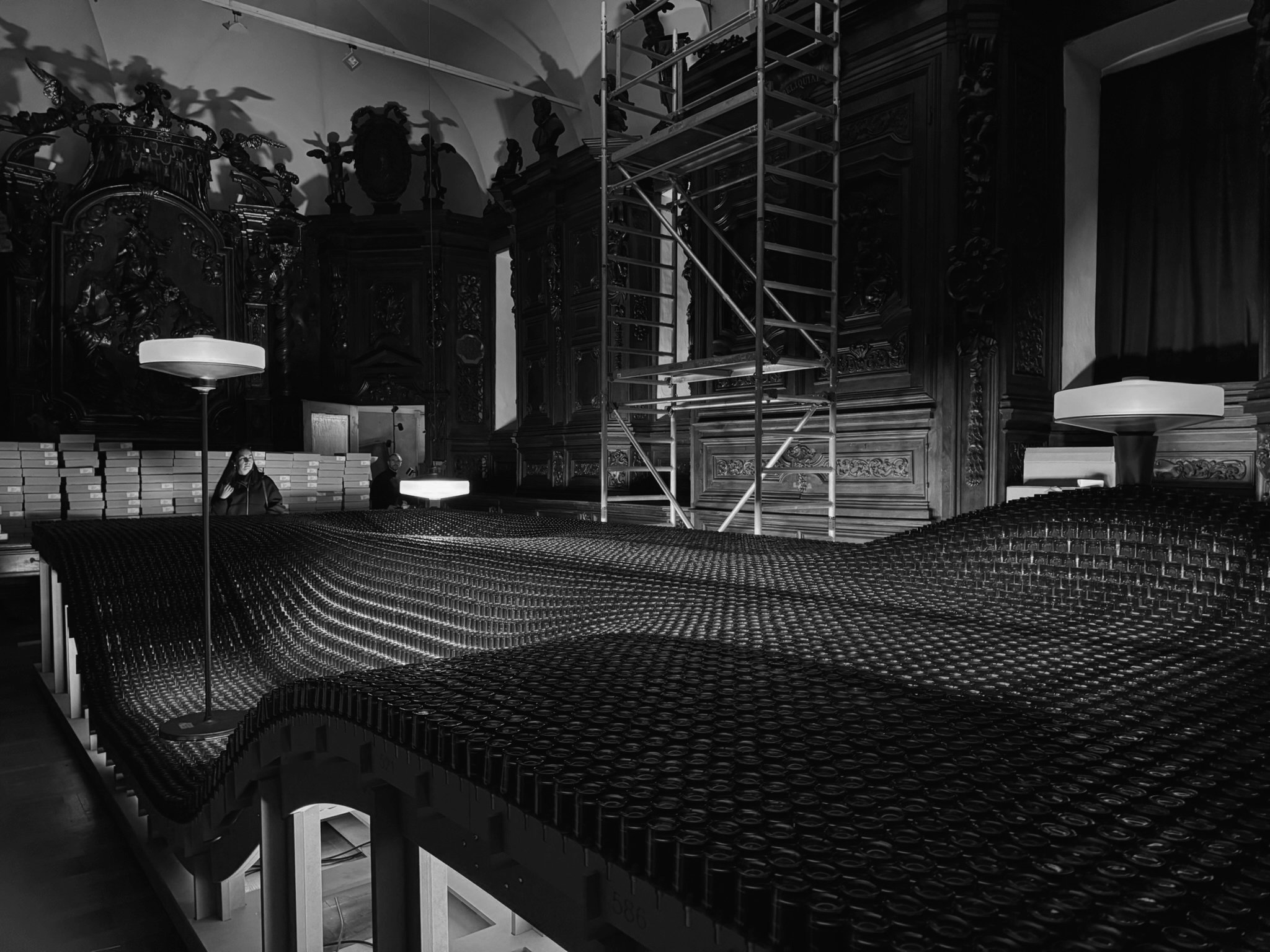
The sacristy, traditionally a room for preparation and storage of sacred objects, is recast as a space of reflection. Dark, enclosed, and materially dense, it operates in contrast to the courtyard.
Light is approached through darkness.
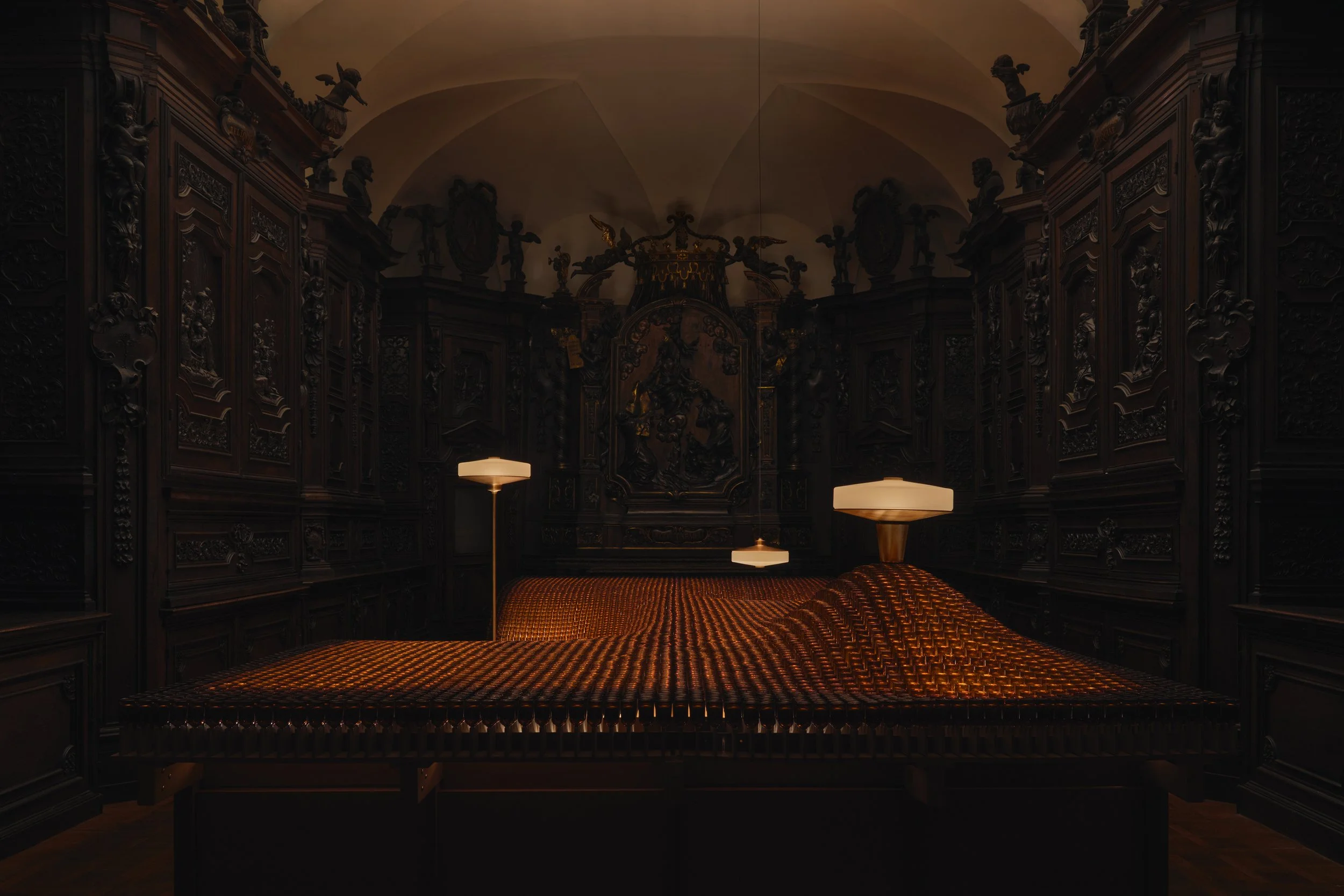
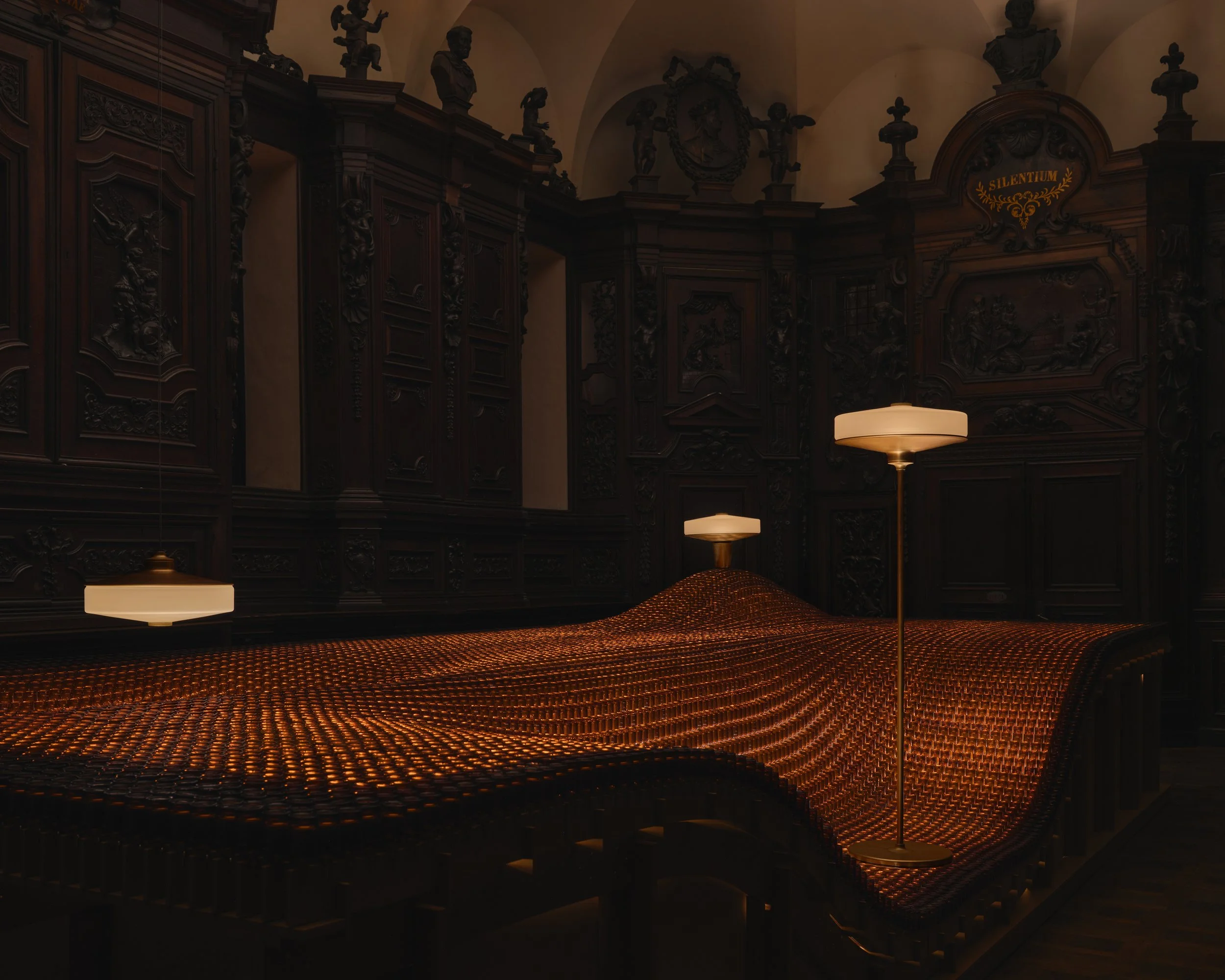
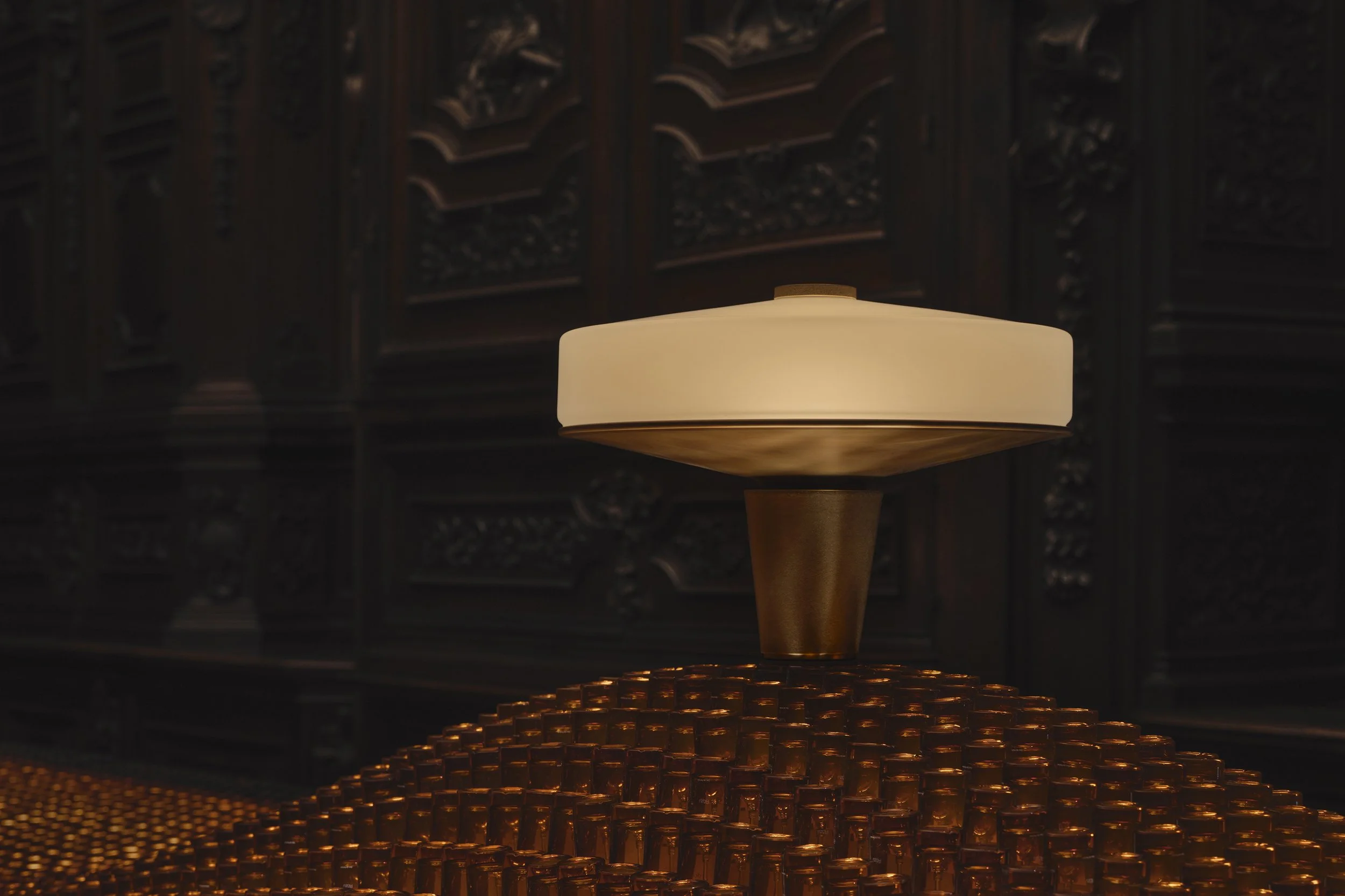
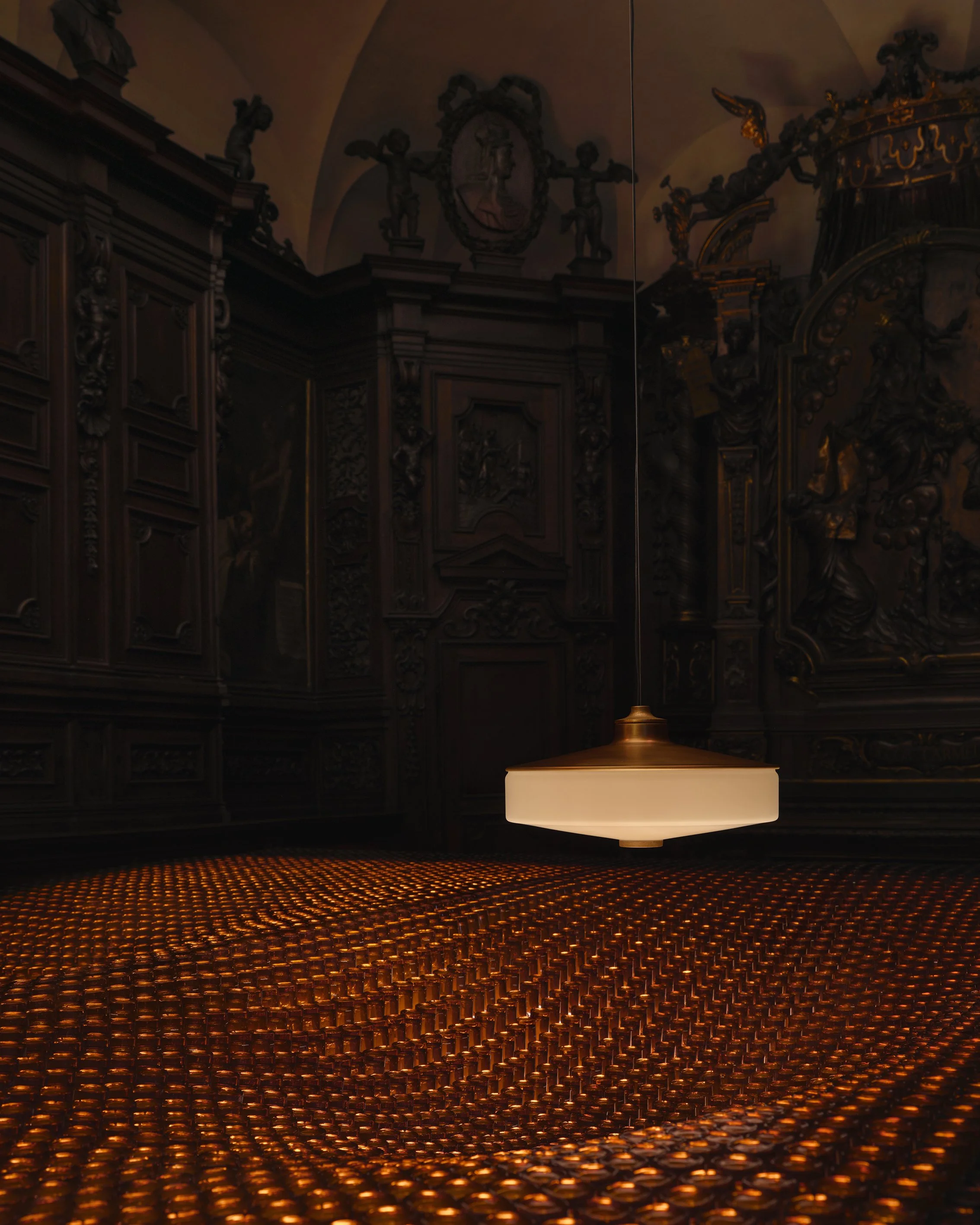
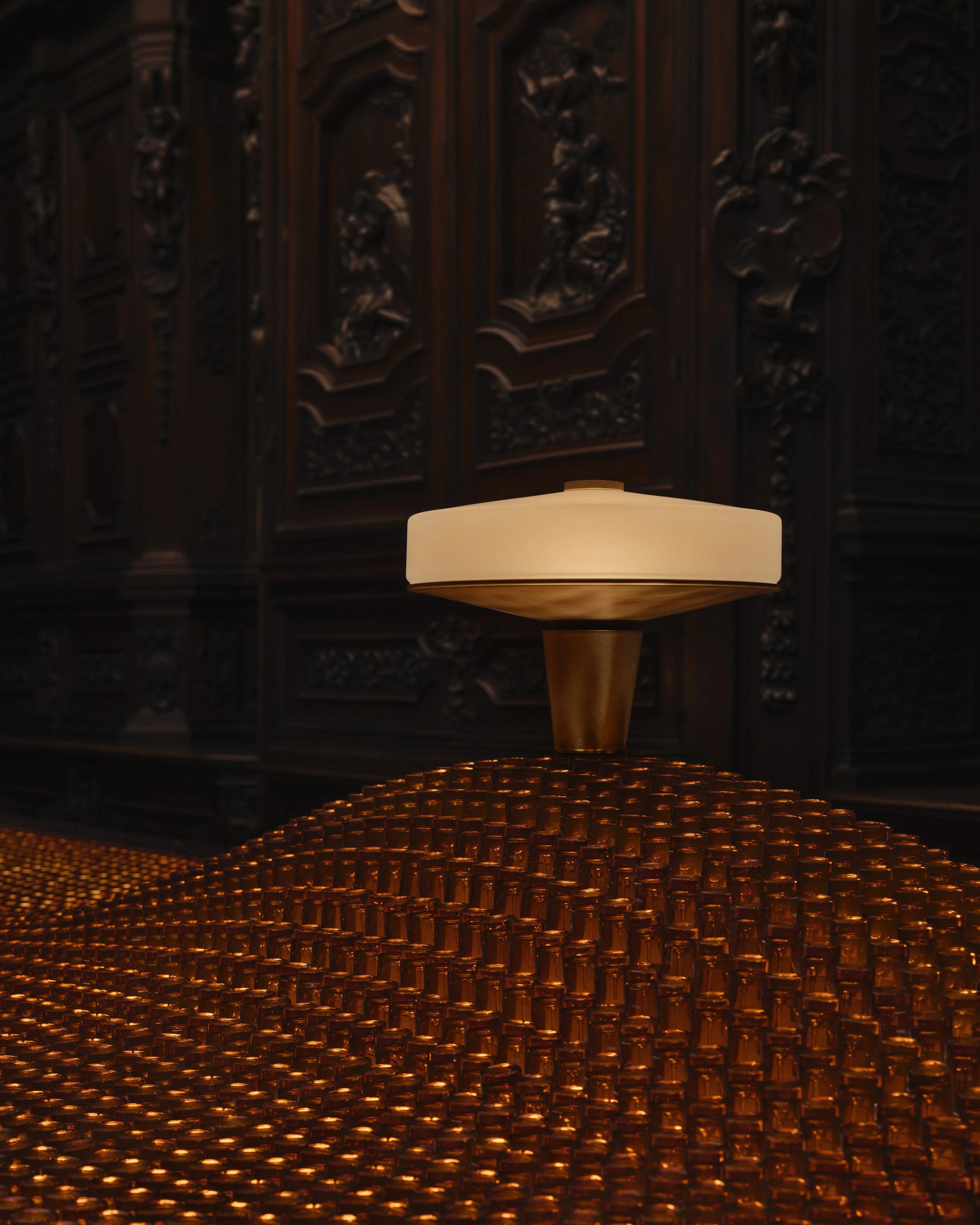
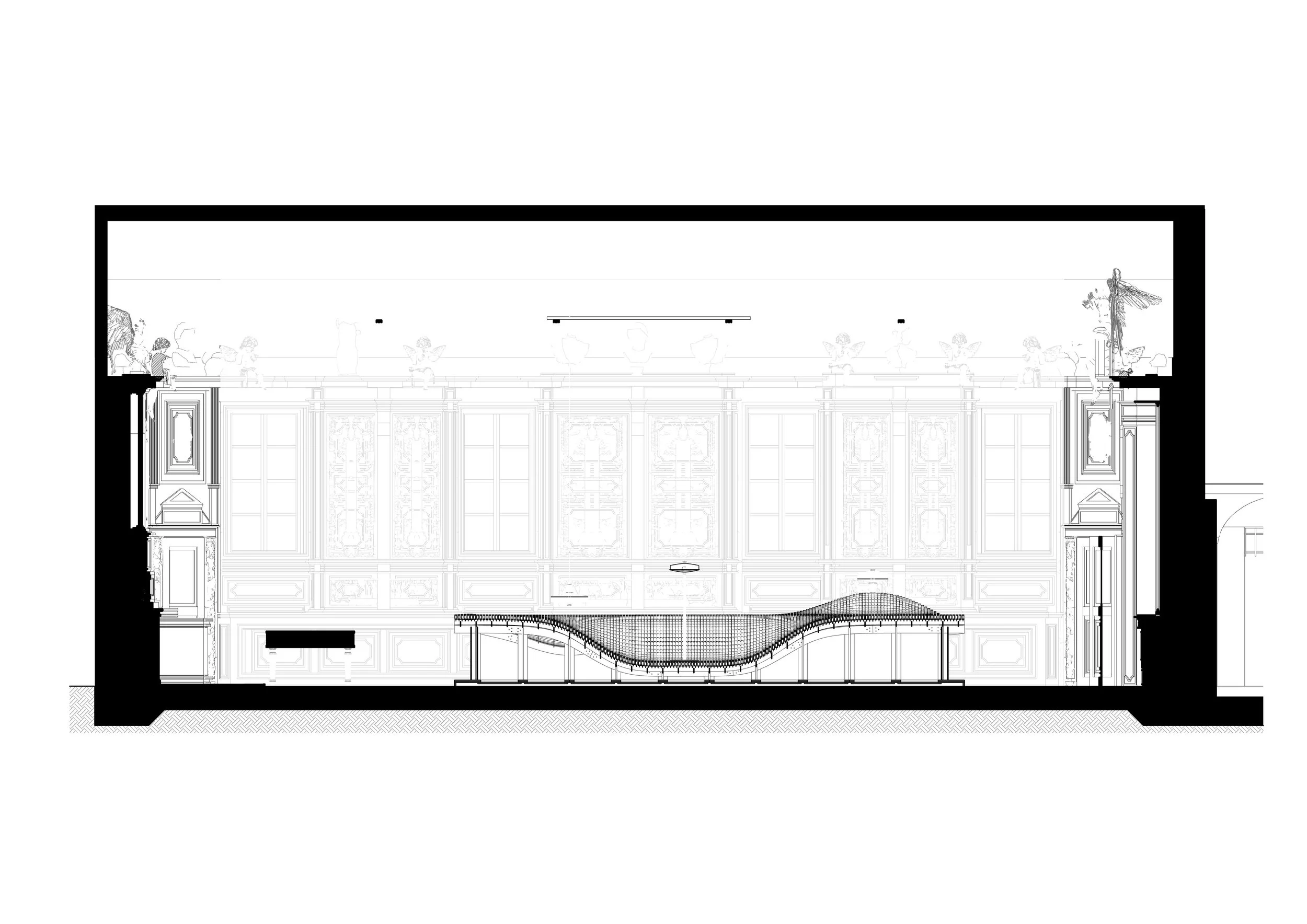
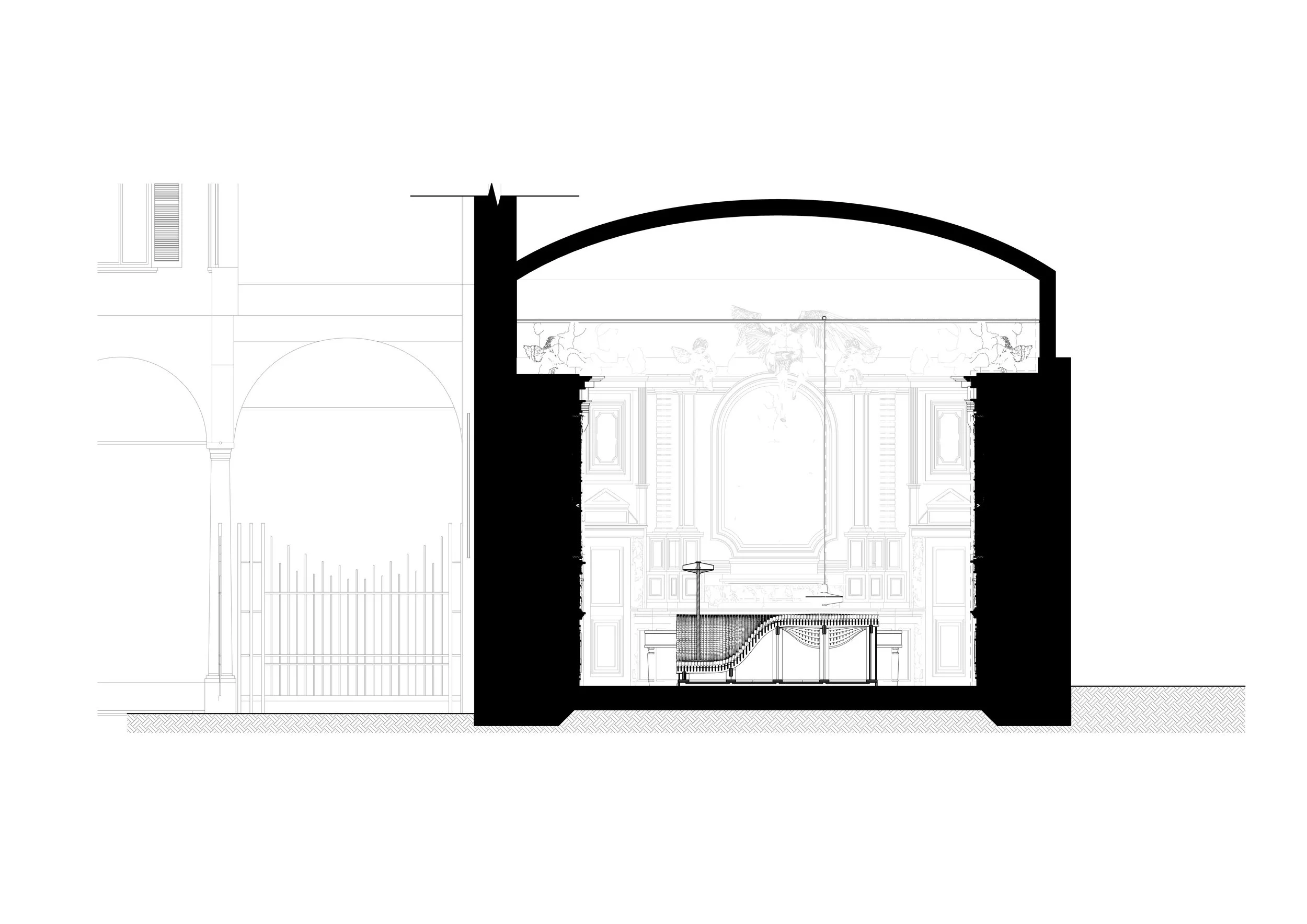
The walls, already lined in dark walnut, carved and articulated to absorb and hold shadow. Within this setting, the three POSEA lamps are presented in their pure state, floor, pendant, and table.
Between object and room, a mediating surface is introduced.
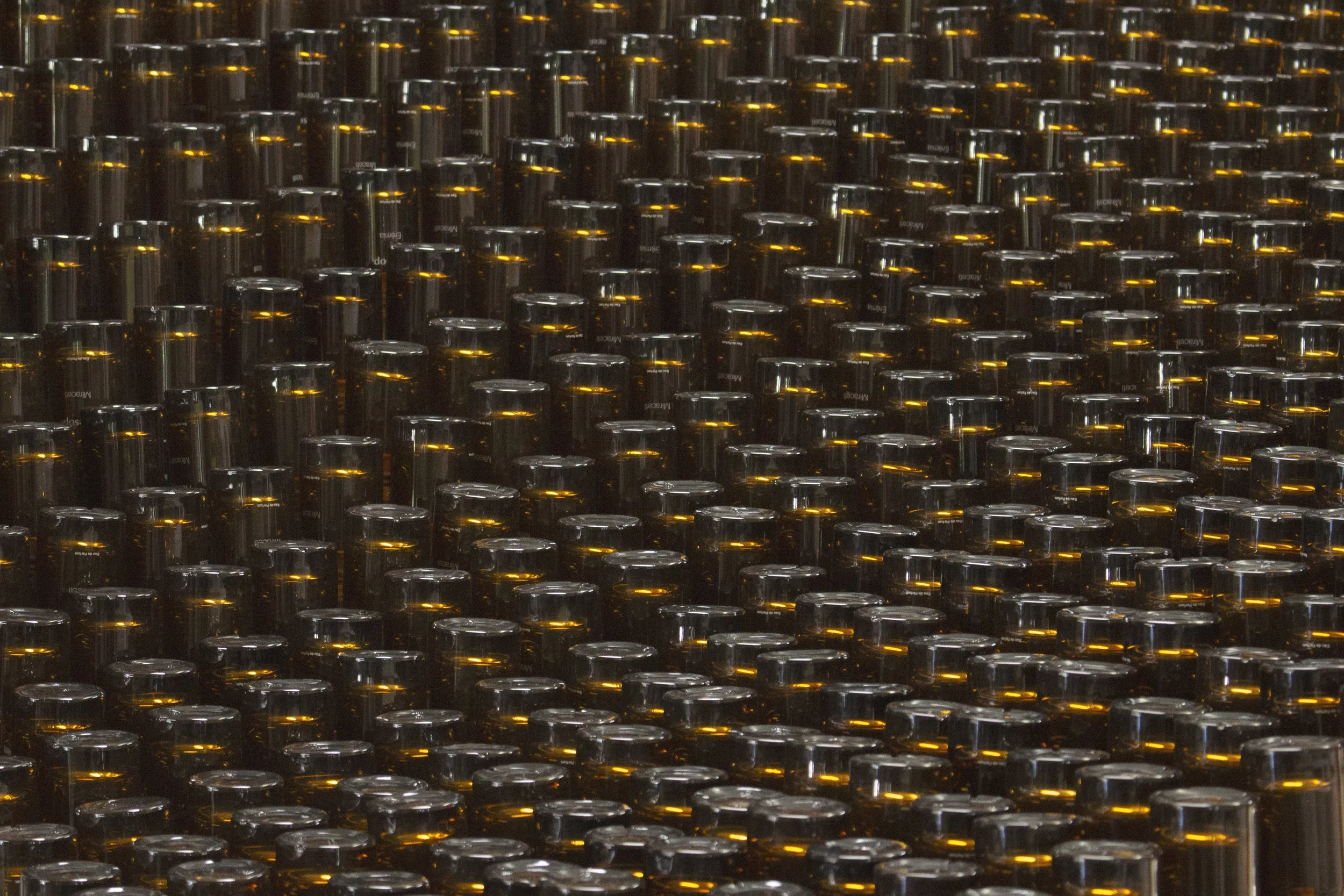
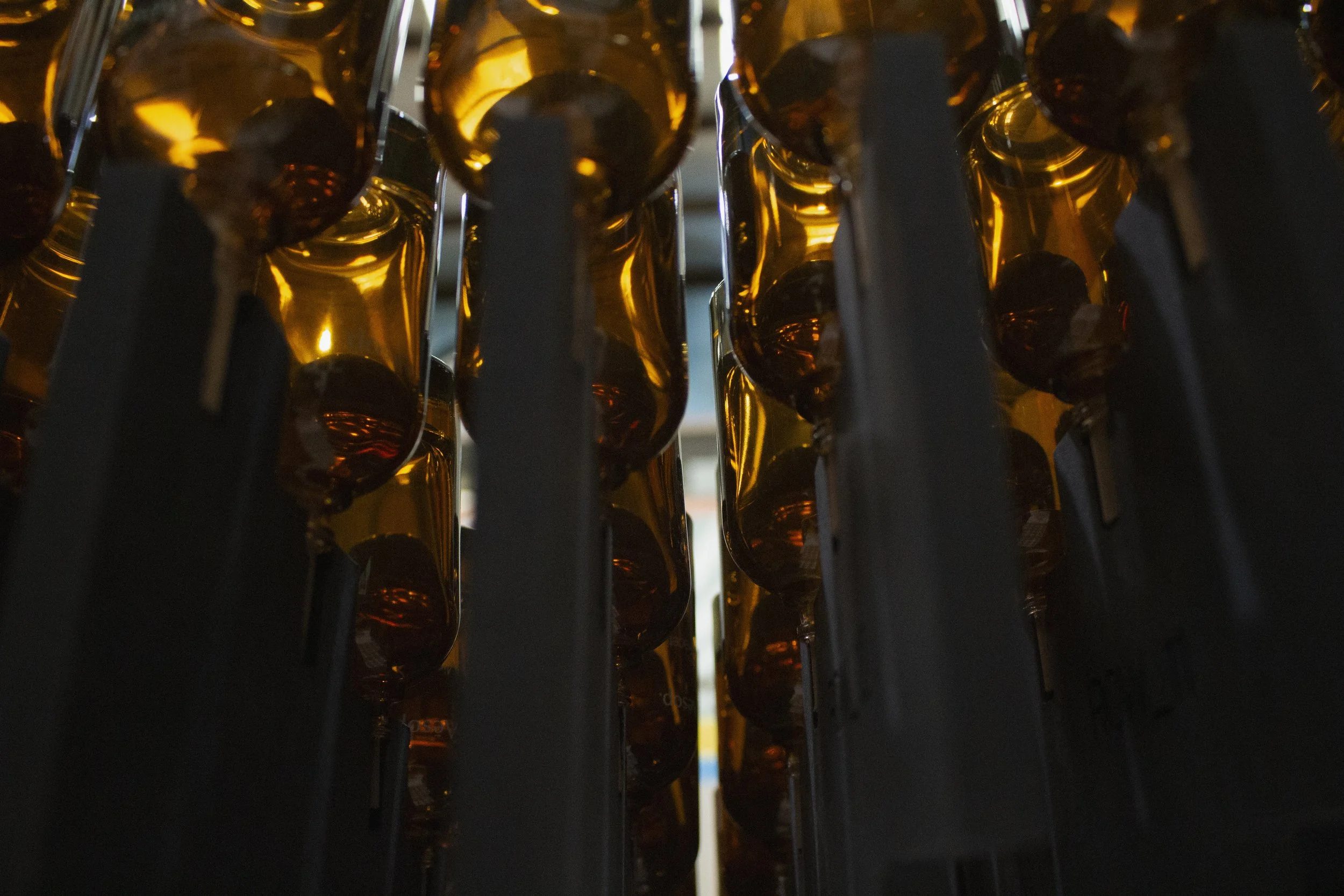
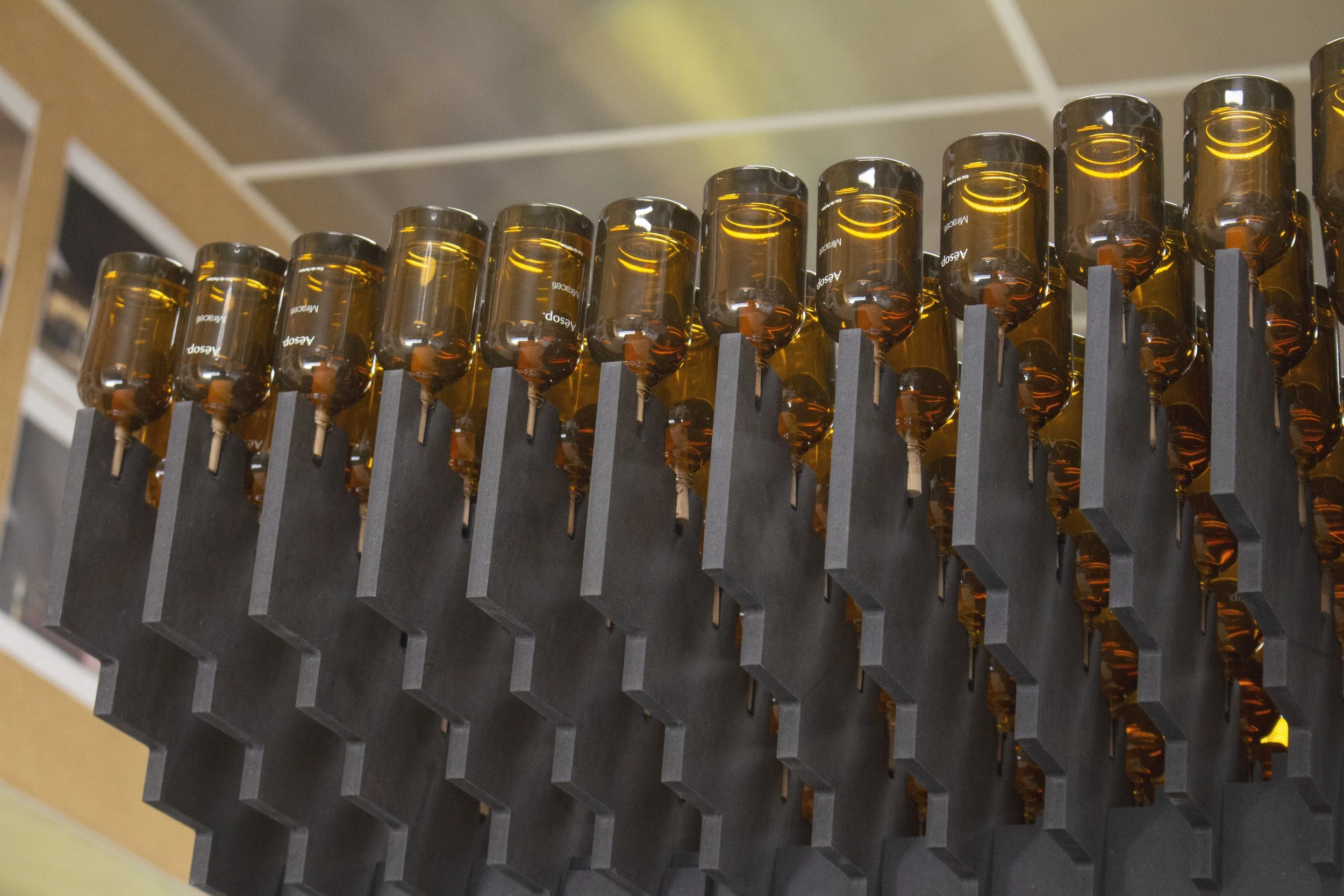
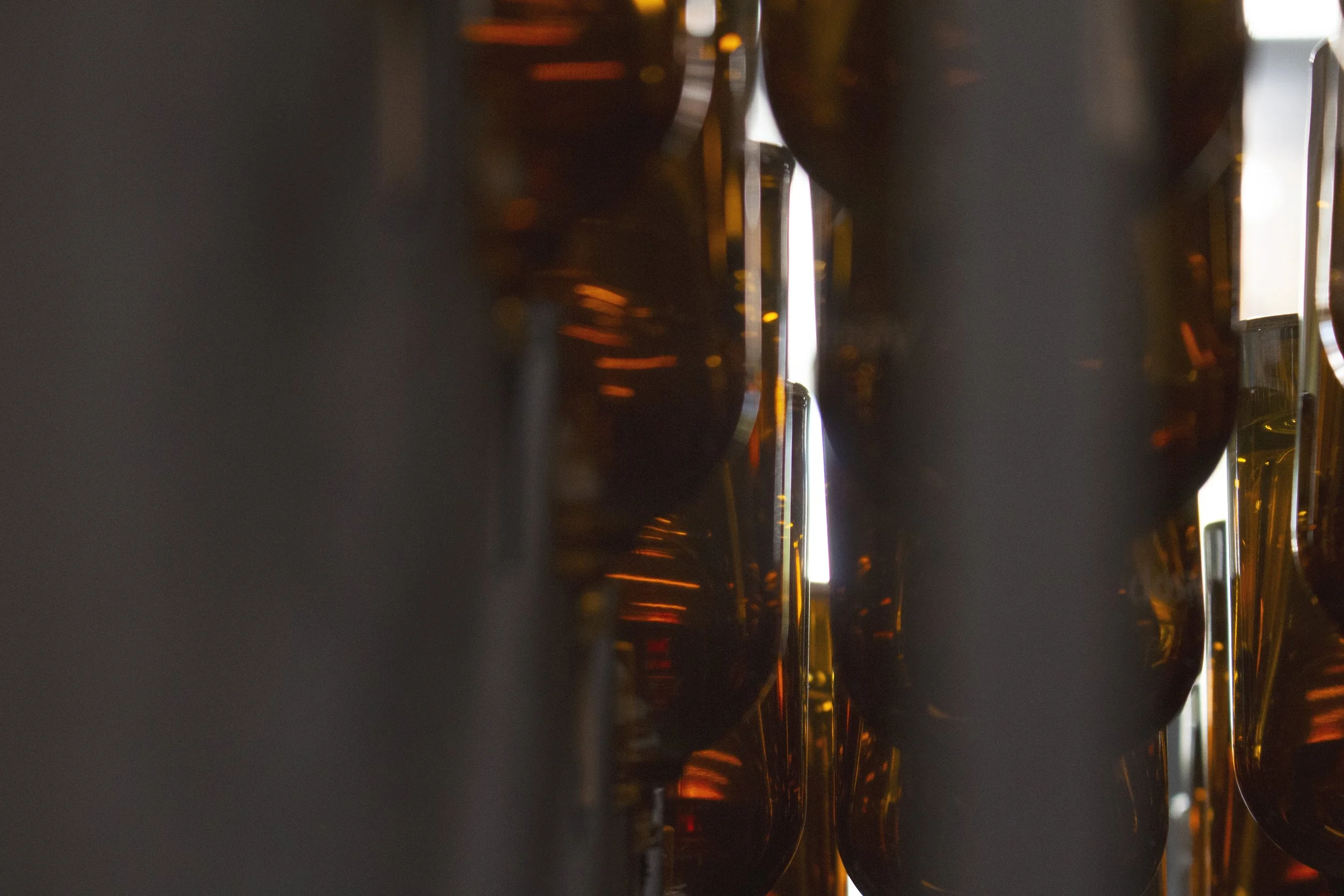
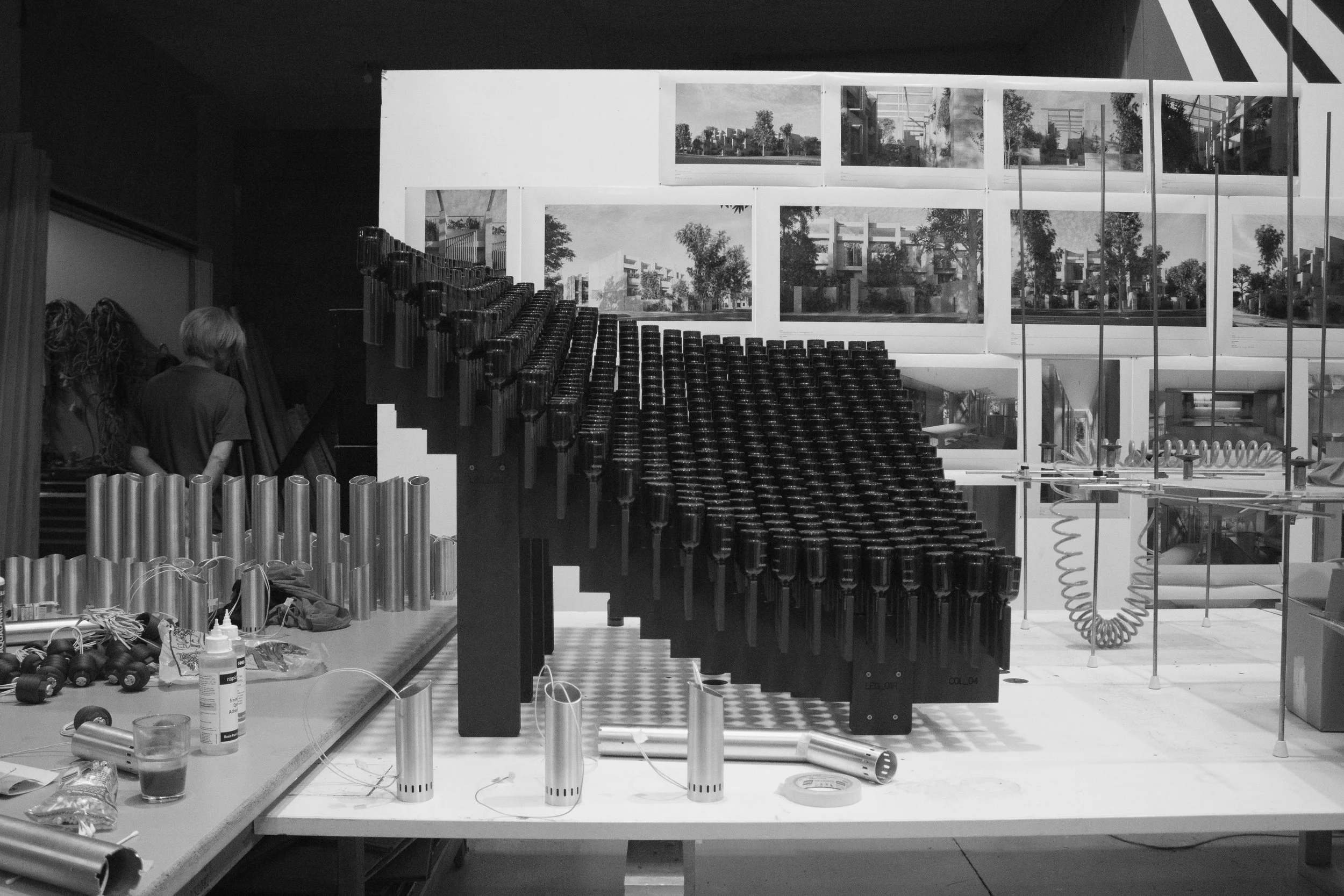
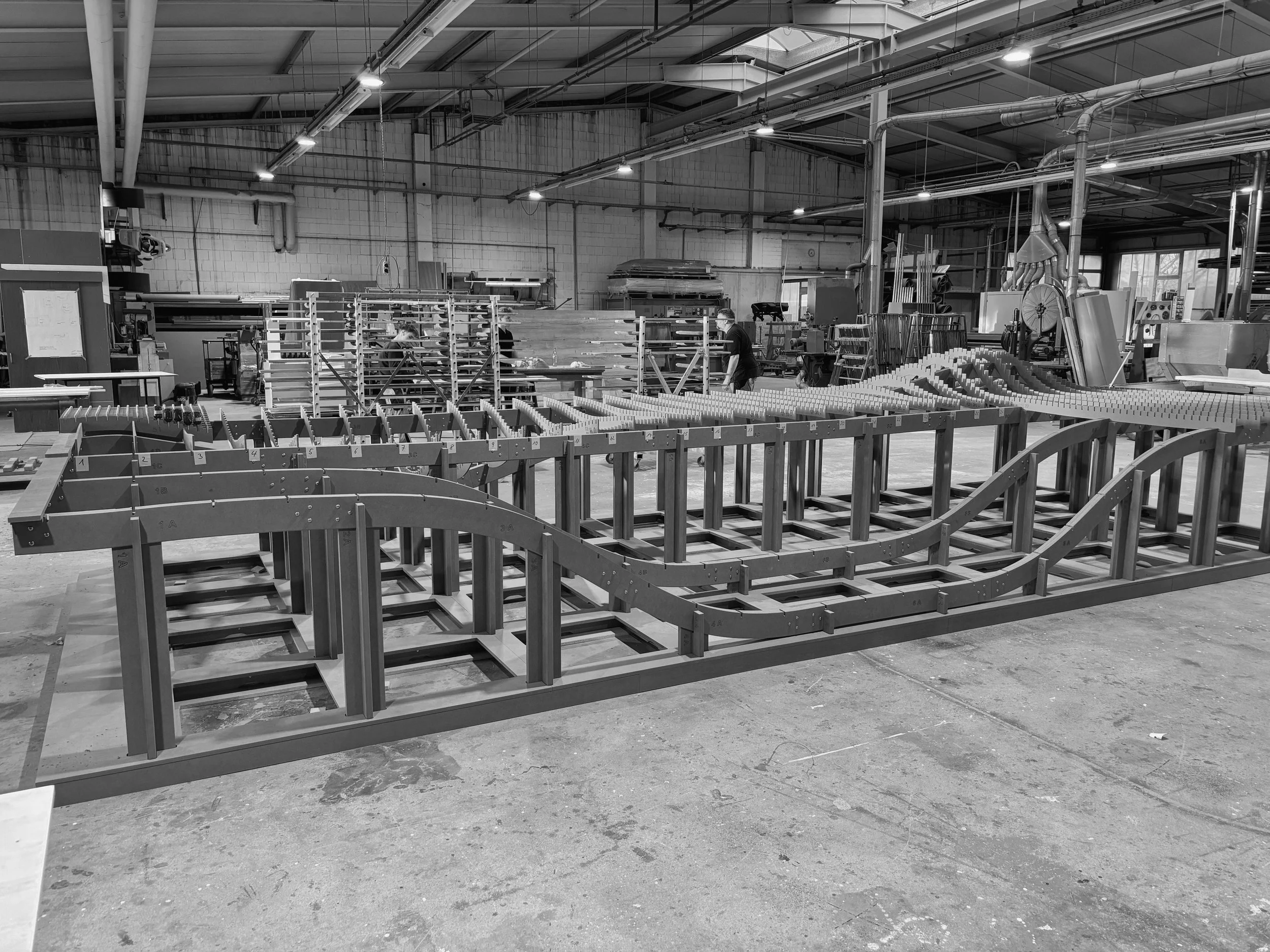
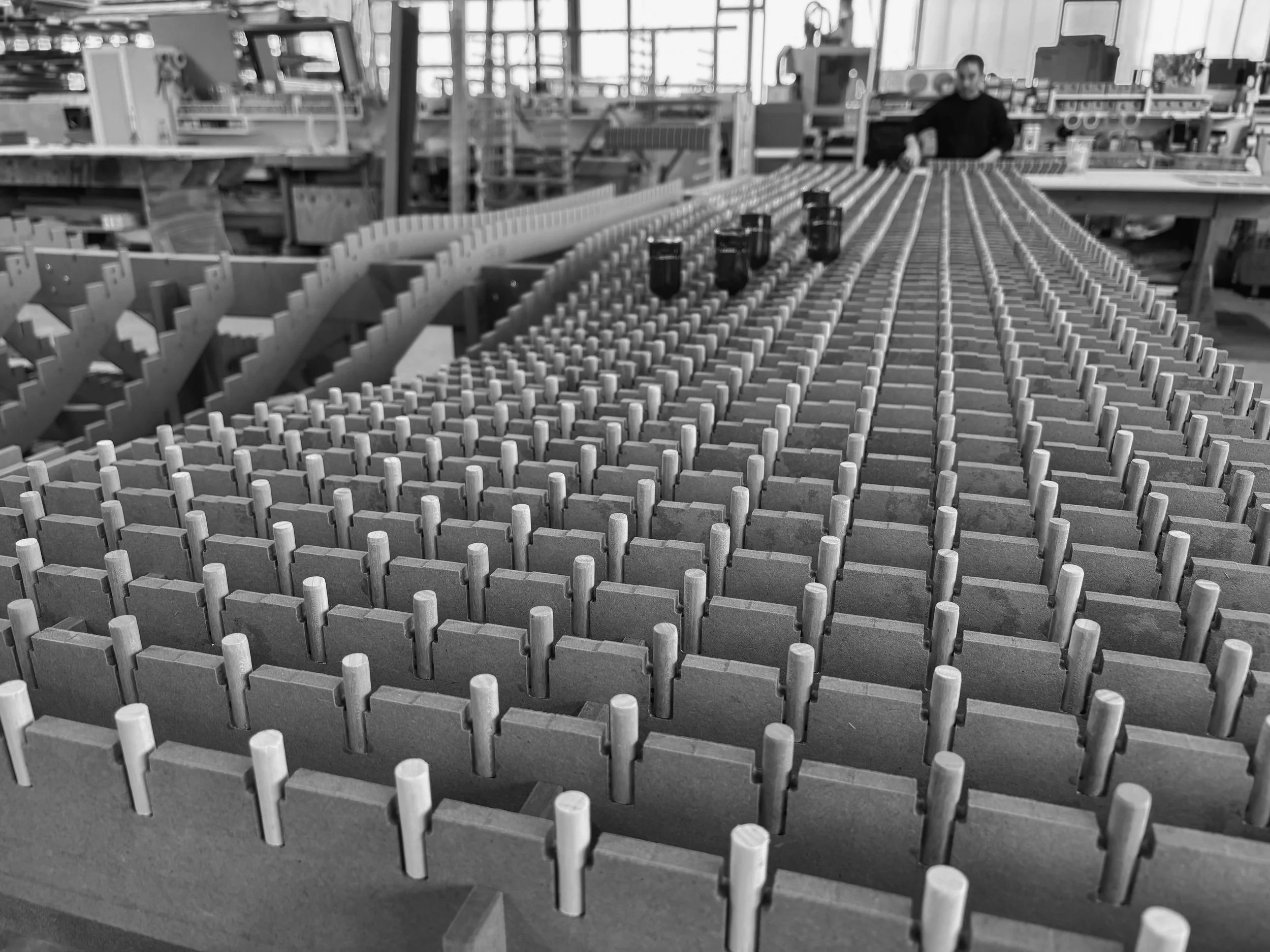
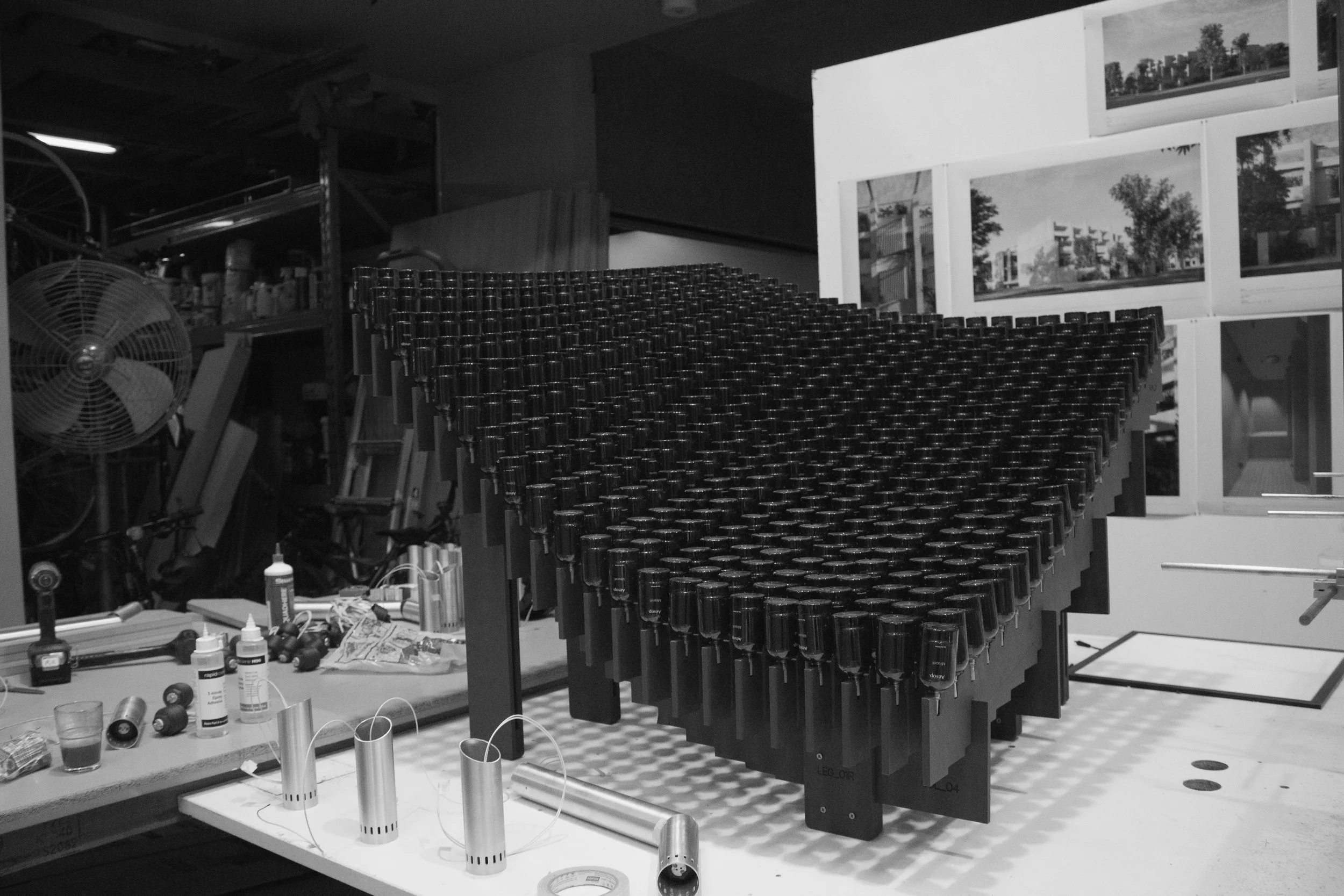
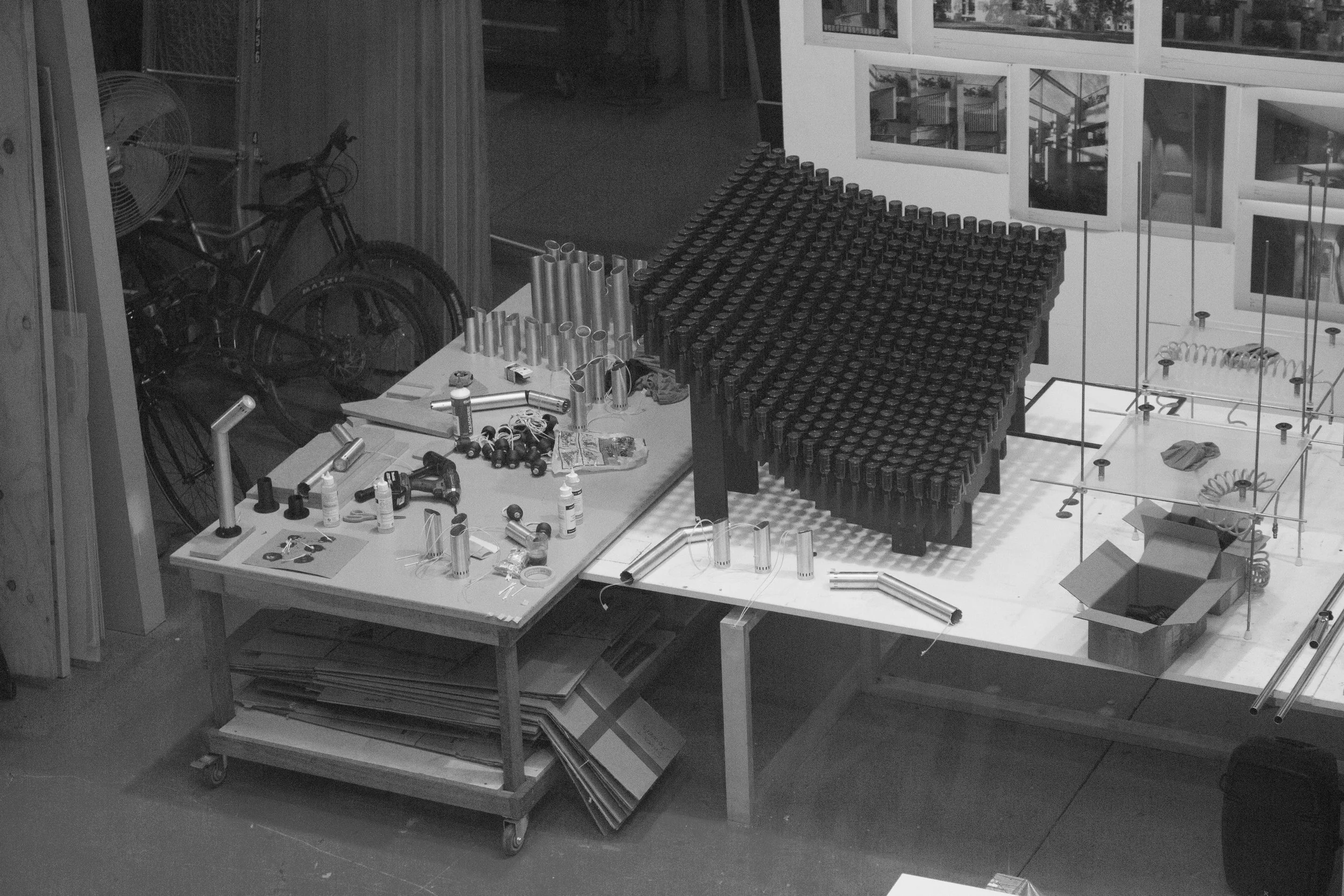
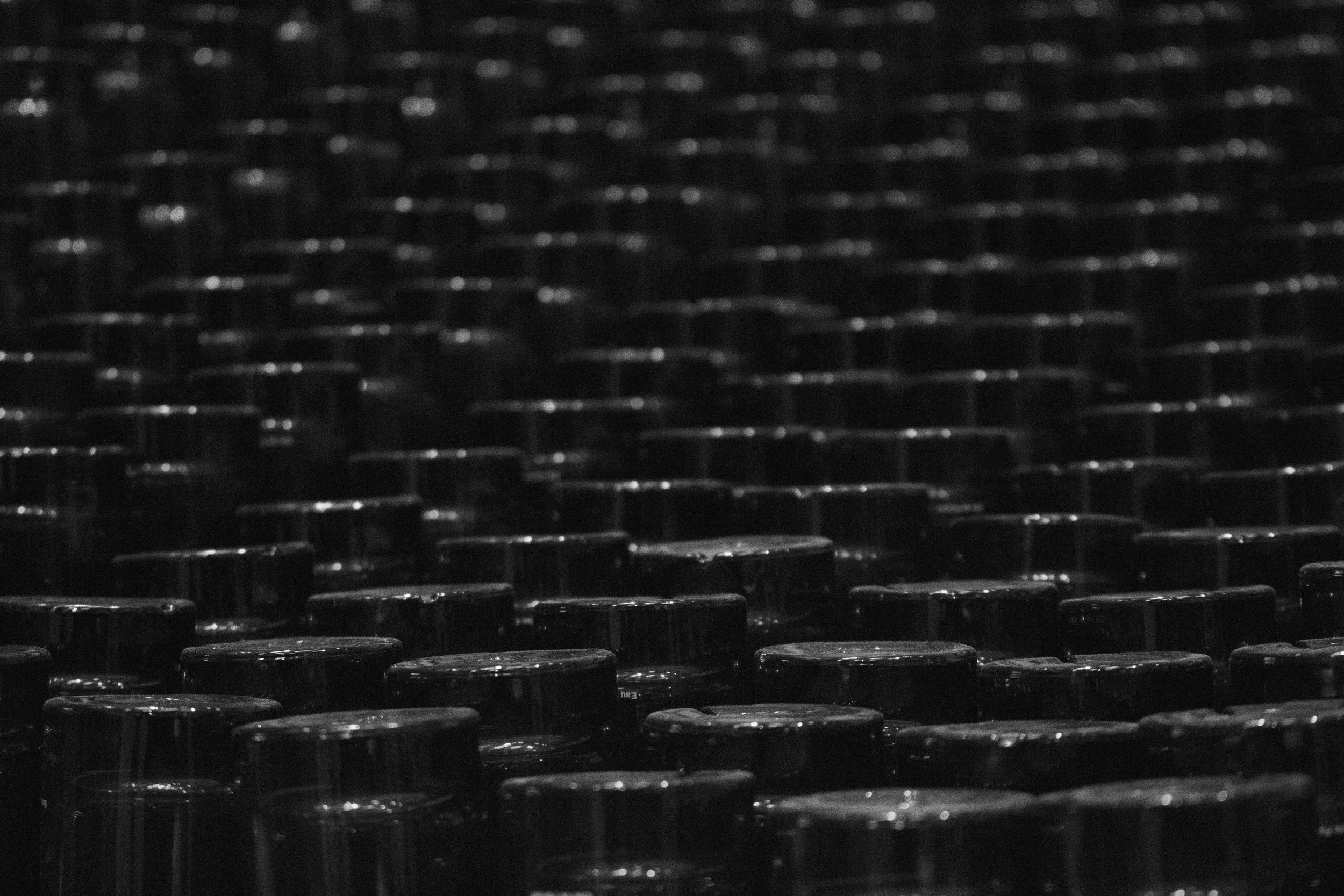
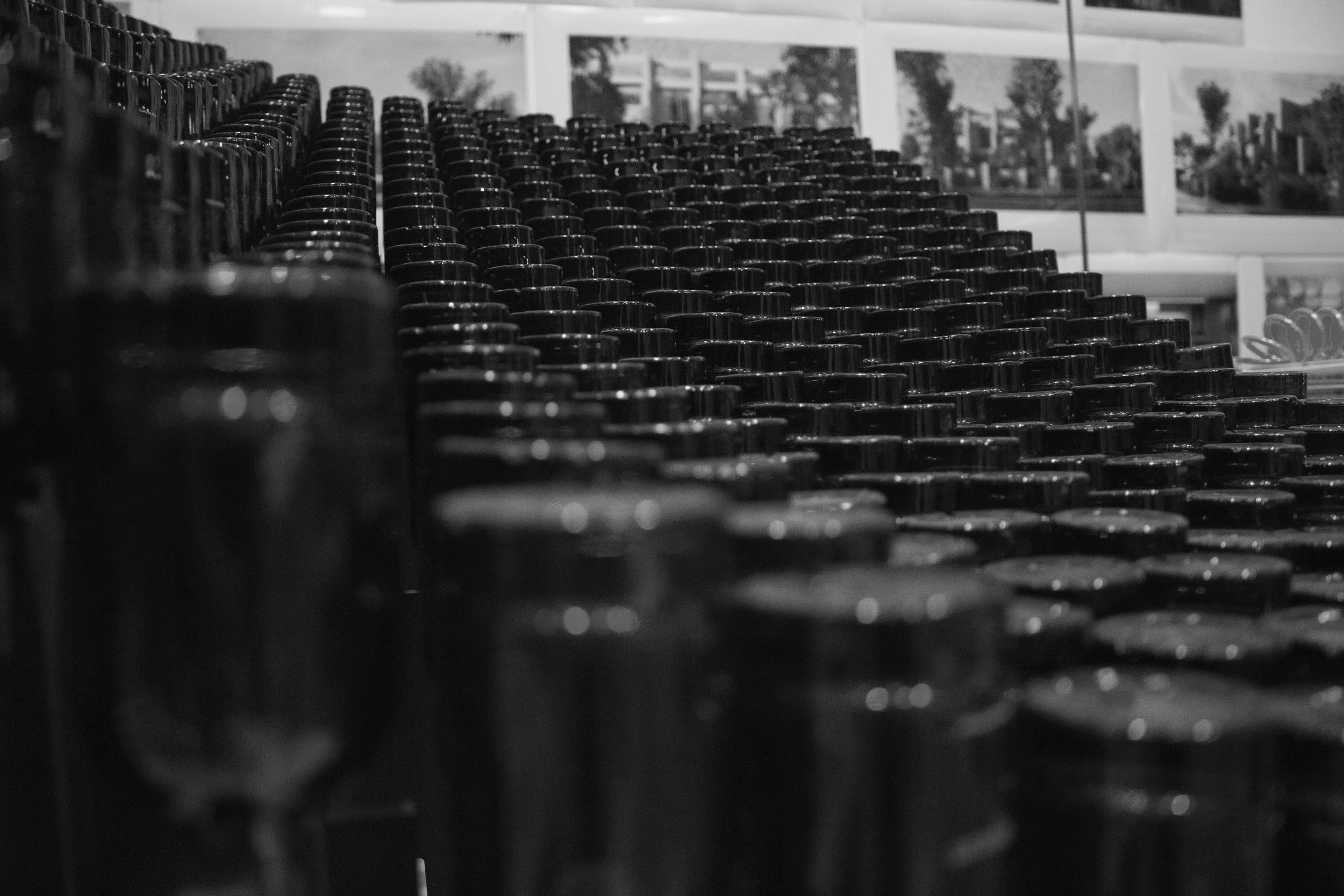
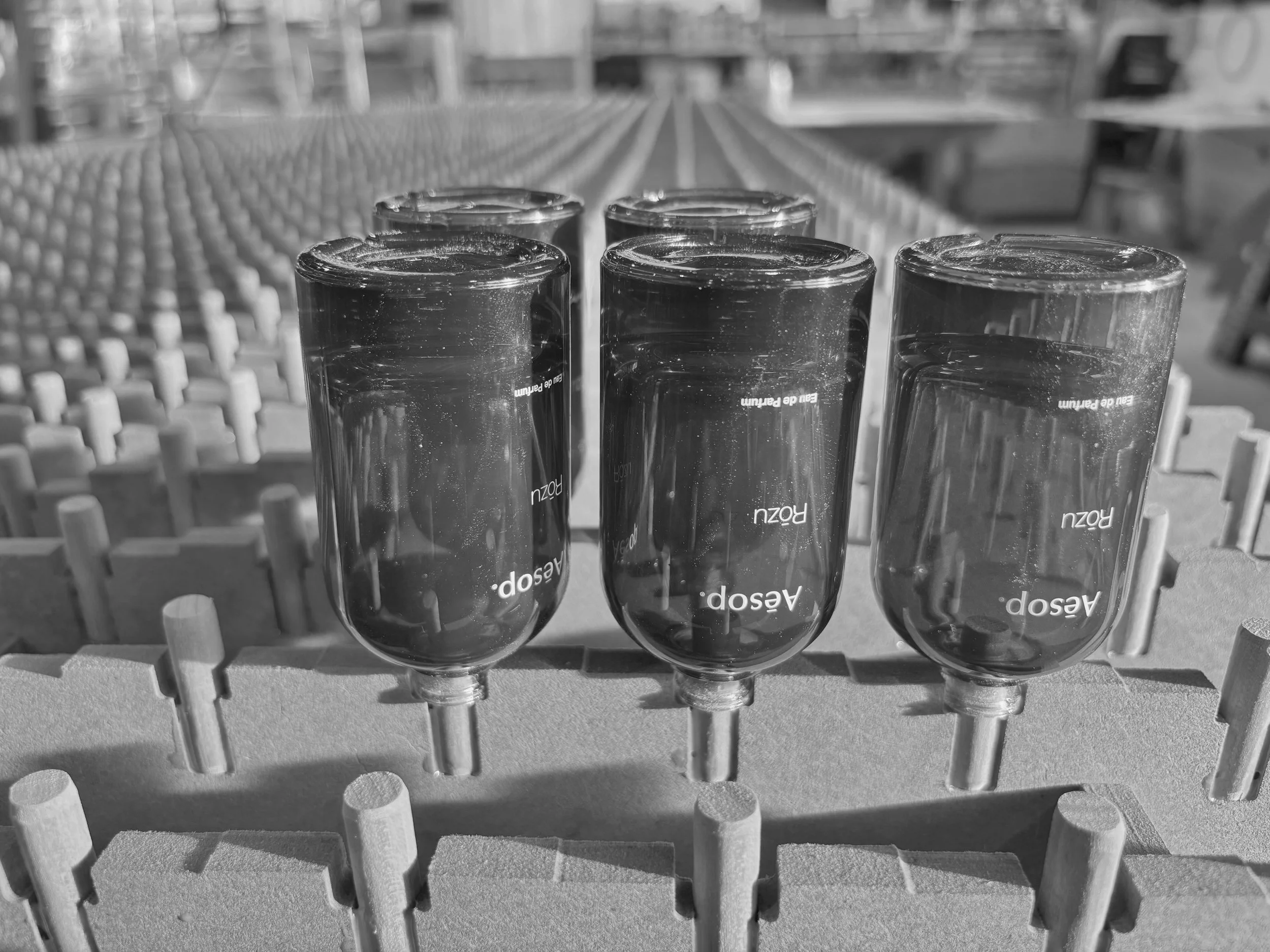
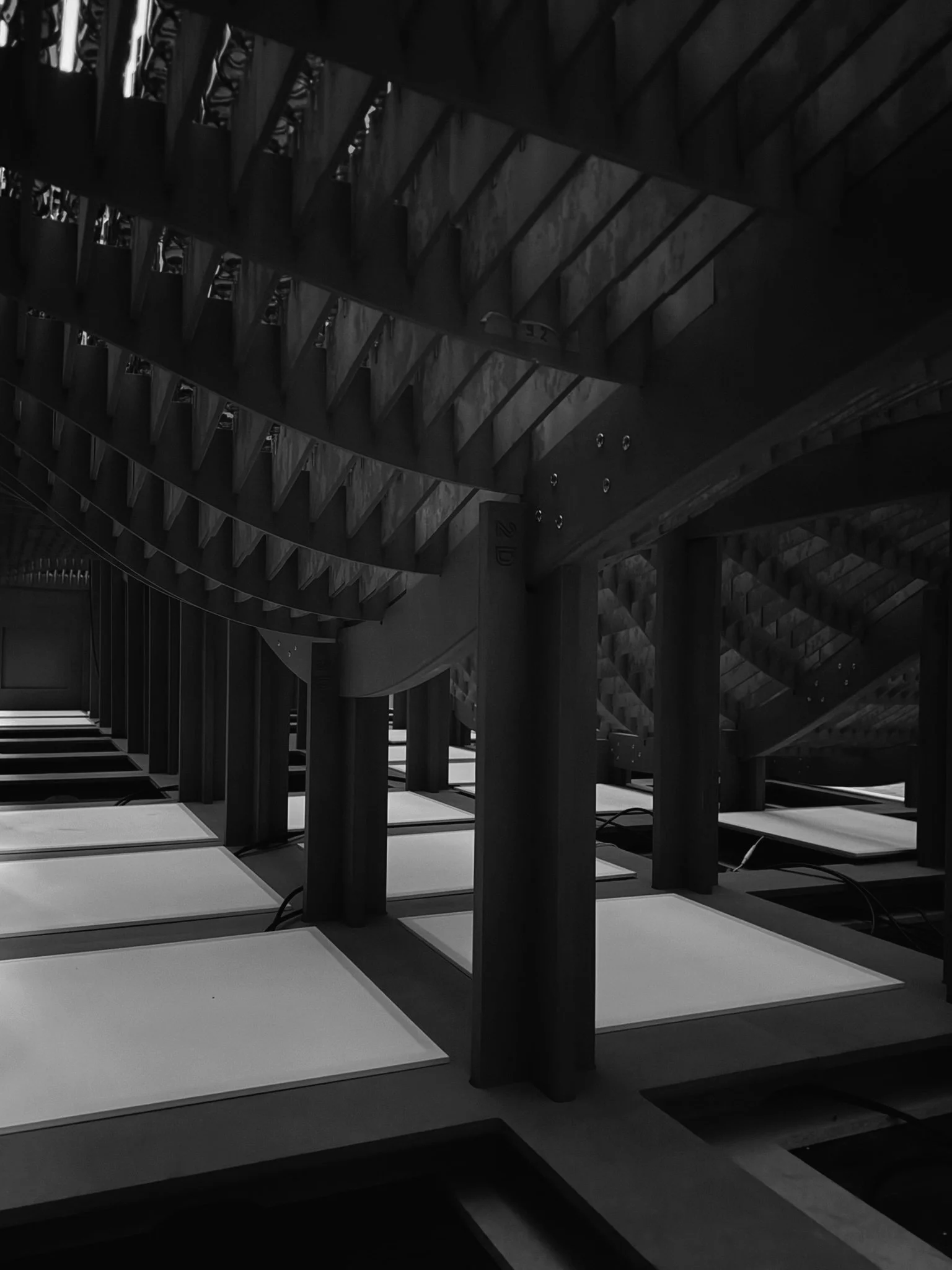
10,824 disused bottles are inverted to form a continuous table, an altar-like plane extending 14 metres in length and 4 metres in width. The base condition is flat, but the surface is locally distorted, drawn down or lifted up in response to the position of each lamp.
Backlit, the bottles transform into a luminous ground.
A diffuse, glowing mass that holds and reflects light.
At its centre, the lamp becomes the source.
A final condition.
A moment of stillness.
The material will be reused.
The surface dismantled and reconfigured into future work.
A continuation, rather than an end.
The project moves from ritual, to making, to reflection.
From water, to light, to object.
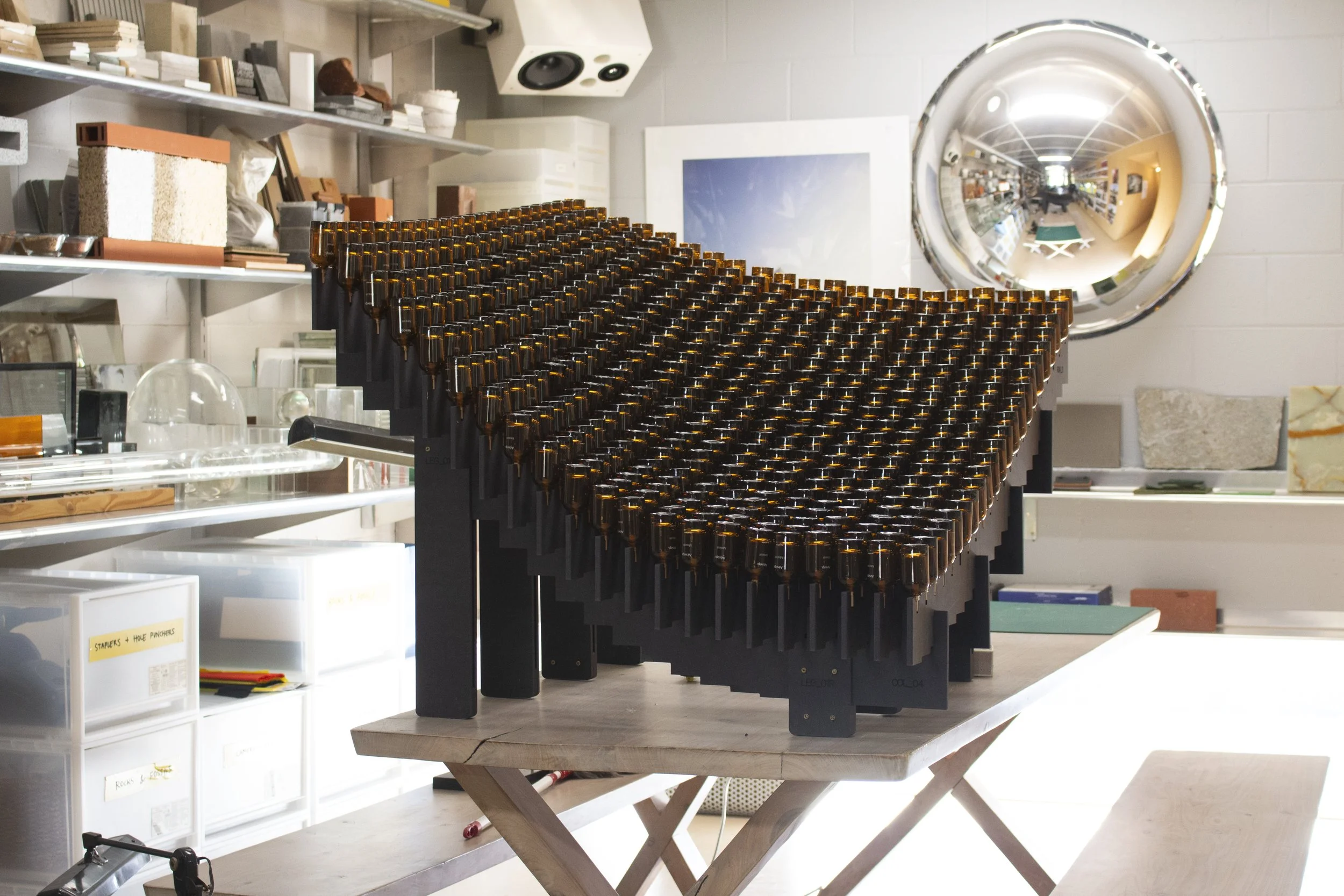
Each part operates as a system, independent yet connected, unified through material reuse and a commitment to impermanence. Nothing is fixed, nothing is singular, everything is designed to be dismantled, reassembled, and reinterpreted.
An installation that exists in time, rather than in place.
-
INSTALLATION
-
COMPLETE
-
CHIESE DI SANTA MARIA DEL CARMINE
MILAN | ITALY -
AESOP
BUILDER | URBAN PRODUCTIONS
BUILDER | BLÖMER + PARTER